
Thomas Girard, Emerging Scholar award recipient discusses the evolution of design & where it’s going
Episode
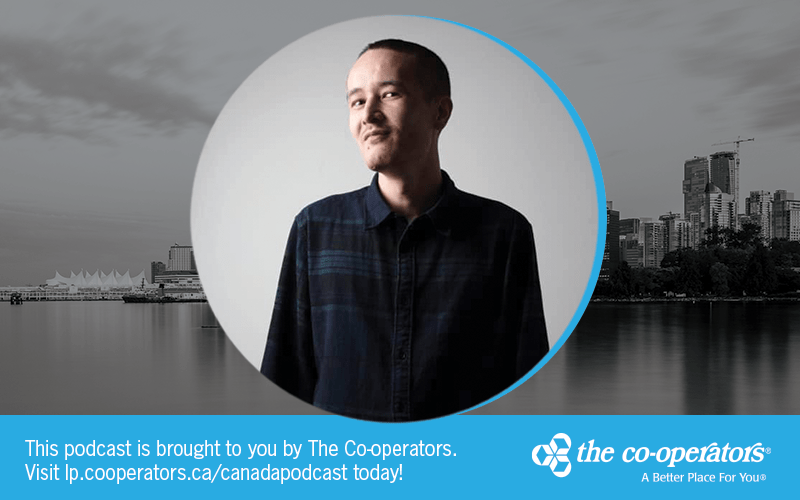
Thomas Girard (http://www.thomaskgirard.com) is a 4x Emerging Scholar award recipient and has taught undergraduate level interaction design in three countries....
Key takeaways
- Designers often only talk to other designers, so learning to communicate your ideas to diverse audiences beyond your industry is essential for entrepreneurial success.
- The common advice to "do what you love and the money will follow" isn't always true, so entrepreneurs need to balance passion with practical financial planning and monetization strategies.
- Building a network in a new city like Vancouver requires humility and sacrifice, sometimes taking modest jobs or going back to school to establish connections and credibility.
- It's better to do something and be wrong than to do nothing at all, so embrace mistakes and seek feedback quickly rather than waiting for perfection.
- Avoid the waterfall process in design and business by getting eyes on your work early and often to identify and fix problems before they become expensive.
Transcript
Full transcript page · Interactive episode
============================================================
TRANSCRIPTION WITH SPEAKERS
============================================================

[00:01] SPEAKER_02: Today's podcast is sponsored by the cooperators. As part of your local community, their advisors
[00:06] SPEAKER_02: understand the challenges facing businesses like yours. They're here to help you protect
[00:11] SPEAKER_02: what you've worked so hard to build and ease your mind with professional advice, the
[00:17] SPEAKER_02: right insurance solutions, and a full range of coverage options. Visit croperators.ca to
[00:24] SPEAKER_00: find a local advisor today. Welcome to Canada's podcast, the number one podcast for entrepreneurs
[00:33] SPEAKER_03: by entrepreneurs. Hello, this is Robert Smile, coming to today with Vancouver's podcast,
[00:39] SPEAKER_03: a member of the Canada's podcast network where we talk to the entrepreneurs who are making
[00:43] SPEAKER_03: it happen here in Vancouver, British Columbia. Thomas Gerard is a four time emerging scholar
[00:50] SPEAKER_03: award recipient and has taught undergraduate level interaction design in three countries. One of
[00:57] SPEAKER_03: his most notable emerging scholar awards was granted at the design principles and practices
[01:03] SPEAKER_03: conference in Barcelona, Spain, where the theme was no boundaries design. He is based in Vancouver,
[01:11] SPEAKER_03: Canada, where he was born and educated. Well, Thomas, welcome to the show and thanks for taking
[01:19] SPEAKER_03: the time to be here for all our listeners. Thanks so much, glad to be here. Awesome. Okay, tell
[01:26] SPEAKER_03: us a little bit more about yourself. We know you're from Vancouver, but give us the details on your
[01:31] SPEAKER_01: current business and what exactly do you do? Sure. So after I gave my TEDx talk in 2019, I realized I
[01:38] SPEAKER_01: had a bit of an audience and I didn't know what to communicate to them until I imagined this idea,
[01:45] SPEAKER_01: which is a talk workshop called Unique Ways of Prototyping. That's what the entrepreneurial angle
[01:52] SPEAKER_03: that I'll talk about today is. Okay, cool. Did you need financing to start your company and how do
[01:57] SPEAKER_01: you currently make money in your business now? It's really a labor of love project and something that
[02:04] SPEAKER_01: I really wanted to be able to share and to reach people with. So the monetizing of it and scaling
[02:14] SPEAKER_01: of it is something I'm working on now because I've never considered it to be an entrepreneurial
[02:19] SPEAKER_01: project until very recently when people have been talking to me about it in that way.
[02:26] SPEAKER_03: Okay, cool. I want you to give me a key piece of knowledge or information about your industry
[02:33] SPEAKER_01: that our listeners can learn from. Yeah, so I guess the key piece for me, which has been a big
[02:40] SPEAKER_01: realization, is that designers very often only talk to other designers. So when I was conceiving
[02:46] SPEAKER_01: this talk workshop, I was speaking to other designers and at some venues, I would have a room of
[02:51] SPEAKER_01: a hundred designers or design researchers who I was talking to and they would very easily understand
[02:57] SPEAKER_01: what I was saying. But then I quickly realized that I have to be able to talk to other people too.
[03:03] SPEAKER_03: And so how do I do that? Okay, let's talk about what the future holds for you. What is the long
[03:11] SPEAKER_03: term vision and what will your company look like in the future? Do you see the company expanding
[03:15] SPEAKER_03: into other areas and where, beyond Vancouver BC or even Canada? Yeah, so when I first started
[03:21] SPEAKER_01: giving the talk workshop, I was giving it conferences and universities and meetups and this was
[03:33] SPEAKER_01: a pandemic hit. I realized I had to kind of try to reach people in different ways, try to reach
[03:39] SPEAKER_01: other kinds of people. I experimented with, for example, giving it in virtual reality with an
[03:46] SPEAKER_01: Oculus headset in an environment called AltSpace, which is Microsoft's virtual reality environment.
[03:53] SPEAKER_01: I tried giving it a community center to nine to 14-year-olds and I never tried to
[04:02] SPEAKER_01: try to communicate to kids before, especially with these kinds of ideas. And so it really had to
[04:08] SPEAKER_01: to change and adapt. I think to address the kernels of your thoughts there, I think the
[04:16] SPEAKER_01: incremental changes to the talk workshop, changing it from unique ways of prototyping to unique
[04:22] SPEAKER_01: ways of making, changing it from unique ways of prototyping to unique ways of prototyping for
[04:27] SPEAKER_01: instigating change, trying to reach researchers instead of designers. I think those are the ways
[04:32] SPEAKER_01: that it's been evolving and will continue to evolve. Okay, we've learned a little bit about you
[04:39] SPEAKER_03: and we've learned a little bit about your company. Let's talk about doing business in Vancouver,
[04:43] SPEAKER_03: where you are. What are the biggest benefits for you in being an entrepreneur here in Vancouver,
[04:48] SPEAKER_03: British Columbia? I want you to give us some of the good points about starting a company here,
[04:52] SPEAKER_03: but I also want you to give us some of the tough things or challenges for our listeners so they can
[04:57] SPEAKER_01: keep an eye out for them. Yeah, so I mean to preface that between, I guess, 2008 and 2013, I was living
[05:06] SPEAKER_01: overseas. I lived in Shanghai for four years, teaching design there and then I lived in New Delhi
[05:11] SPEAKER_01: for a year and then returned to Vancouver where I was born and tried to start here. It's expensive,
[05:21] SPEAKER_01: especially if you're just starting out and haven't figured out all the angles yet.
[05:28] SPEAKER_01: So that became an obvious reality, trying to do anything entrepreneurial here, basically,
[05:35] SPEAKER_01: anything from the ground up. Some of the great things are that once you get into the specialties
[05:43] SPEAKER_01: of design, for example, there are a lot of really supportive communities. I've met a lot of people
[05:48] SPEAKER_01: supporting my ideas through hackathons through the different universities here and even, as I was
[05:55] SPEAKER_01: saying before, in my neighborhood at the community center, I mean, all of that has been a great benefit
[06:03] SPEAKER_01: of being in Vancouver. Obviously sitting down at a coffee shop in Gastown or Chinatown is just
[06:11] SPEAKER_01: something you can't replace when you're somewhere else and then often ideas come out there that
[06:17] SPEAKER_03: really shape what you're trying to do. Okay, I want you to imagine you just came back from
[06:24] SPEAKER_03: Shanghai or another part of the world. If you were to start all over again and you just moved
[06:29] SPEAKER_03: here to Vancouver BC, but this time you don't know anyone knowing what you know now, what would you do
[06:35] SPEAKER_03: and how would you go about starting all over again as an entrepreneur? I would as quickly as possible
[06:42] SPEAKER_01: on up to the reality that once you arrive in Vancouver, you're new here and you have to build
[06:47] SPEAKER_01: a group that might mean going back to school while you're pursuing your entrepreneurial idea that
[06:55] SPEAKER_01: might mean taking on jobs that you have to be a bit modest about in order to do them
[07:03] SPEAKER_01: just so that you can say that you belong in Vancouver with the other people who basically had
[07:10] SPEAKER_01: to sacrifice a lot to be in this great city. It's not only expensive, but it's small. Thank you
[07:19] SPEAKER_01: for a small. When I was growing up here, it was very much a town and not a recreational city that
[07:24] SPEAKER_01: it is now, but even as a recreational city is quite small and you have to realize that you have to
[07:30] SPEAKER_03: work for those opportunities. Let's talk about your routine. What does the first hour look like for
[07:35] SPEAKER_03: you when you get up the more endiloess specific routine or ritual that helps you get motivated to start
[07:40] SPEAKER_01: your day? Yeah, I go to my neighborhood coffee shop after waking up at 6 a.m. every day. Now,
[07:47] SPEAKER_01: that doesn't mean that I wake up at 6 a.m. and like an entrepreneur is supposed to do works until
[07:54] SPEAKER_01: until 1 a.m. and then gets there bit of sleep. I sleep on a account and I take the naps. This is a
[08:00] SPEAKER_01: pandemic thing. My calendar, my digital calendar is scattered and sometimes I have a meeting in the
[08:08] SPEAKER_01: morning and a meeting in the evening and nothing in between and then for clients or collaborators who
[08:16] SPEAKER_01: are overseas. I have to be up at strange hours at night as well. And so to be able to juggle all that,
[08:23] SPEAKER_02: I think takes a lot of work. Today's podcast is brought to you by the
[08:29] SPEAKER_02: cooperators. You can count on them to support you and your business with a full range of
[08:35] SPEAKER_02: insurance coverage options. Their products provide the flexibility you want with the protection
[08:40] SPEAKER_02: you expect to find a cooperator's advisor near you visit cooperators.ca.
[08:48] SPEAKER_03: Do you think entrepreneurs have to be weird or unique in a positive way or wired?
[08:55] SPEAKER_01: I'm weird and unique. I hope that's an advantage. Do they have to be? That's a good question.
[09:03] SPEAKER_01: Honestly, I think being in Vancouver to be like as much as you can, like other Vancouver
[09:08] SPEAKER_01: rights is a big advantage. I think we try to find commonalities with each other being here. I think
[09:18] SPEAKER_01: was maybe more an advantage overseas for me and being in Vancouver, it's been better to be like
[09:25] SPEAKER_01: everyone else, which is a struggle for me. I am the weird and unique.
[09:29] SPEAKER_03: So let's talk about how you educate yourself. What books are you reading now and why or even
[09:34] SPEAKER_03: audio books? Can you recommend any books for listeners who are also aspiring entrepreneurs?
[09:40] SPEAKER_01: Maxley, a lifelong learner, formally. So I'm enrolled in a part-time graduate program that's
[09:46] SPEAKER_01: emphrates your university right now. It was accepted to Oxford and Royal College of Art as well.
[09:53] SPEAKER_01: My materials, the content that I expose myself to comes through those good recommendations of
[10:01] SPEAKER_01: formal education where you get to read the best material and have that be vetted for you.
[10:09] SPEAKER_01: I am really careful about just taking recommendations to read anything, which can be in an advantage
[10:18] SPEAKER_03: and disadvantage. Any online or offline tools that you use on a daily basis?
[10:25] SPEAKER_01: I use my notes app on my phone religiously. I'll write long papers on it and I use my native
[10:34] SPEAKER_01: calendar app on my Mac. Obviously there are more sophisticated tools, but I just don't use them.
[10:40] SPEAKER_03: How do you balance work and how do you relax and not think about work? What are your favorite
[10:44] SPEAKER_03: activities to do here at BCD? Skie, bike, kayak, golf, hike, or simply go for a drive?
[10:49] SPEAKER_01: I do. I hike. I took up kayaking this past season in part to fit in with everybody else here because
[10:56] SPEAKER_01: you're supposed to do those things. So I do them now and it works. You make connections that way.
[11:02] SPEAKER_03: Yeah, thank you. It was very outdoorsy, absolutely.
[11:05] SPEAKER_03: Province or city and everyone takes an advantage of all that we have to offer.
[11:11] SPEAKER_03: If you weren't doing what you do now, what would you like to do for profession?
[11:15] SPEAKER_01: I love what I'm doing now and I do it because I love it. Recently I was asked a question and
[11:21] SPEAKER_01: responded that I was raised with this idea that you should do what you love and the money would
[11:29] SPEAKER_01: follow and now I'm 40 years old and I realize that's not true. So take that with a grain of
[11:35] SPEAKER_01: solid things. What kind of a job would you not like to do? When I was in my early teens, I swept up
[11:43] SPEAKER_01: a poultry, bits, nails, and pieces of a poultry and a poultry factory after work.
[11:50] SPEAKER_01: And that was something that I would definitely not want to do again. I was pretty unpleasant.
[11:55] SPEAKER_03: In business, what is your favorite word, quote, or sentence that you like to use?
[12:00] SPEAKER_03: People first. What's your least favorite word or sentence you do not like to hear?
[12:06] SPEAKER_01: Waterfall. Why is that? It's a process for design where you spend a year or two creating something
[12:17] SPEAKER_01: before you get eyes on it. And so most often you find out there are very small problems that are
[12:24] SPEAKER_01: very expensive to fix using the waterfall process. These days we hear about processes like agile and
[12:31] SPEAKER_01: lean, which are more popular. And I hope through unique wizard prototyping my talk workshop, I can
[12:36] SPEAKER_01: make that happen even faster and be even more opposed to waterfall. If you had to pick one or two words
[12:43] SPEAKER_03: to describe yourself, what would it be and why? Mysterious and accessible because I'm trying to
[12:53] SPEAKER_01: promote myself. Okay. What keeps you up at night if anything? What keeps me up at night? Unresolved
[13:02] SPEAKER_03: ideas. Unresolved opportunities. Well, you're in the creative process, right? So you must be
[13:07] SPEAKER_03: always thinking, how can I improve that? Make it different design lines or communication wise.
[13:13] SPEAKER_03: 100%. Okay. Give us a top three things on your inspired lifeless. This can be whether you want to
[13:19] SPEAKER_03: problem or philanthropy, write a book. Anything like that? You know, it's the wrong way to do it,
[13:25] SPEAKER_01: but I take those ideas from external sources. So people are telling me to do a book based on
[13:32] SPEAKER_01: unique ways of prototyping. So inevitably that becomes one of my goals. I think in being people
[13:39] SPEAKER_01: first, do you think about your audience and what they want? So yeah, writing a book, what else
[13:45] SPEAKER_01: finishing grad school, seeing where my career will take me. Do you have any advice that you may
[13:52] SPEAKER_03: have received that you can pass on to entrepreneurs throughout Canada? Yeah, a lot of it. Don't be
[14:00] SPEAKER_01: afraid to be wrong. You know, it's common these days to embrace the mistakes and things like that,
[14:05] SPEAKER_01: but really it's better to do something and be wrong and hear the feedback instead of not doing
[14:10] SPEAKER_03: anything. Okay, Thomas, you're going to have some fun? Absolutely. Awesome. Okay. You know,
[14:15] SPEAKER_03: entrepreneurs are always connected. We're always busy. We're either dealing with staff, clients,
[14:21] SPEAKER_03: a whole list of things that we're always phones, laptops, you name it, watches now these days.
[14:28] SPEAKER_03: We've always got to be online, but we want to take you away from all that. There's a small
[14:32] SPEAKER_03: tropical island just off of Fiji that only has one phone booth there. There is no internet. This
[14:37] SPEAKER_03: place does exist. We're going to drop you off there. You won't have a computer or a smart
[14:42] SPEAKER_03: phone or tablet. You can use the phone booth located there, located there anytime to call the boat,
[14:47] SPEAKER_03: and we'll come pick you up. How long would you last before you made that call? What would you do
[14:52] SPEAKER_01: while you were there? I would probably never call the boat. I would just stay there and I would
[14:58] SPEAKER_01: probably set the phone on fire. Just about had enough, huh? Well, it's hypothetical, right? Yeah.
[15:07] SPEAKER_03: Cool. Okay. Let's wrap things up. How can our listeners get a whole of you? And is there anything
[15:12] SPEAKER_01: you'd like to add before you leave us today? Nothing to add. Please watch my TEDx talk. It's a 2019
[15:18] SPEAKER_01: TEDx talk done at Emily Cardi University of Art and Design. It's translated into 18 languages.
[15:24] SPEAKER_01: The two-minute talk. If you watch that, you'll see if you want to know more about me and you'll
[15:29] SPEAKER_01: get what my ideas are. Check out my Twitter on Thomas underscore tweet. I tweet there all the time.
[15:36] SPEAKER_03: Awesome. Okay. Thomas. Thanks for coming on the show. I've learned a lot about you and I'm sure
[15:41] SPEAKER_03: our listeners have as well. Thanks so much. Thanks for having me.
[15:45] SPEAKER_02: Today's podcast is brought to you by the cooperators. You can count on them to support you and your
[15:51] SPEAKER_02: business with a full range of insurance coverage options. Their products provide the flexibility you
[15:58] SPEAKER_02: want with the protection you expect. To find a cooperator's advisor near you visit cooperators.ca.