
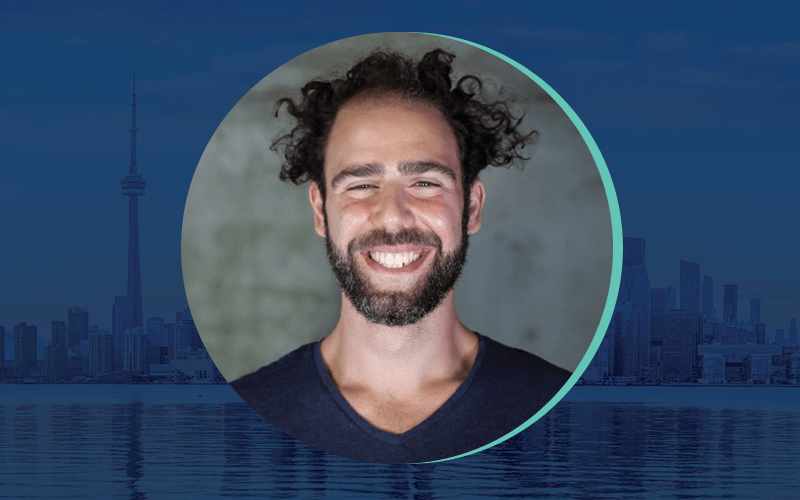
Taylan Pince
Episode
For the past decade, Taylan Pince has been leading the talented product team at Hipo Labs and helping brilliant startups go from “a...
Key takeaways
- Building a sustainable business through bootstrapping and self-investment allows you to maintain control and focus on team culture rather than chasing high-velocity growth.
- Focusing on your physical and mental health, family time, and personal interests actually improves your business performance rather than working 20-hour days.
- Not everyone is suited for entrepreneurship due to different levels of risk tolerance and anxiety management, and that's perfectly acceptable.
- Reading fiction can provide valuable insights into human perspectives and character thinking that directly benefits product building and understanding users.
- Setting strict boundaries between work and personal time through discipline is essential since entrepreneurial work never truly ends and there will always be more to do.
Transcript
Full transcript page · Interactive episode
============================================================
TRANSCRIPTION WITH SPEAKERS
============================================================

[00:00] SPEAKER_04: It's Toronto's podcast on the Canada's podcast network.
[00:19] SPEAKER_00: Hi everyone, I'm Phil Bliss, a business visionary, and welcome to Toronto's Podcasts.
[00:24] SPEAKER_00: Part of the Canada's podcast network, your source of the great insights from entrepreneurs
[00:29] SPEAKER_00: across Canada.
[00:32] SPEAKER_00: For the past decade, Taylor has been leading the talented product team at Hippo and helping
[00:37] SPEAKER_00: brilliant startups go from a small team with a good idea to multi-billion dollar companies.
[00:42] SPEAKER_00: He is both artist, engineer, and innovator, the startling collection of talents.
[00:48] SPEAKER_00: Hippo is a brilliant example of a company that has grown through its own self-sustaining
[00:52] SPEAKER_00: investment and discipline.
[00:54] SPEAKER_00: Hippo is specialising in providing startups with two critical things, flexibility and
[00:59] SPEAKER_00: quality.
[01:00] SPEAKER_00: So, Taylor, tell us a little bit more about yourself, you know, way from, give us the details
[01:06] SPEAKER_00: on your current business or businesses, just, you know, a couple of minutes on who you
[01:11] SPEAKER_00: are and why I'm talking to you.
[01:14] SPEAKER_04: Okay, great.
[01:15] SPEAKER_04: I'm originally from Turkey.
[01:17] SPEAKER_04: I was born in Istanbul and I came to Canada just under 20 years ago to study and then
[01:23] SPEAKER_04: I had the chance to work in the tech industry for quite a few years.
[01:30] SPEAKER_04: And then around 10 years ago, I decided to launch my own product consultancy called Hippo.
[01:36] SPEAKER_04: Since then, I have been helping startups, especially early-state startups, building launch
[01:41] SPEAKER_04: products with my team.
[01:43] SPEAKER_04: We are a remote and distributed team and we worked on a lot of different verticals, education,
[01:49] SPEAKER_04: healthcare, smart home systems and it's been a lot of fun seeing the impact of these
[01:56] SPEAKER_04: products on people's lives.
[02:01] SPEAKER_00: So I'm always interested, you know, what was your stock moment, you know, in Taylor
[02:05] SPEAKER_00: and said, I want to become an entrepreneur versus working in a tech company or what made
[02:11] Speaker UNKNOWN: you great?
[02:11] SPEAKER_00: Yeah, that's a good question.
[02:12] SPEAKER_04: He's one of them thinking about recently because I don't know how I did it.
[02:16] SPEAKER_04: This seems like such a big leap, right?
[02:20] SPEAKER_04: Well, for me, the turning point, and I remember this vividly, was the iPhone.
[02:24] SPEAKER_04: When the iPhone came out, I loved the idea and I don't know if you remember, but the
[02:30] SPEAKER_04: moment you saw that glass screen and you could see the icons behind it and you could tap
[02:36] SPEAKER_04: on them, that was a magical moment for me.
[02:39] SPEAKER_04: So the iPhone wasn't available in Canada until I think the second version really, but
[02:44] SPEAKER_04: I managed to find like a shady, you know, place on Spadina.
[02:49] SPEAKER_04: I remember I went there and they were selling them, you know, they were importing them from
[02:52] SPEAKER_04: the US.
[02:54] SPEAKER_04: And so I bought one and nobody else had one and I started playing with it.
[02:58] SPEAKER_04: And then the first SDK came out and I said, I want to build applications for this.
[03:02] SPEAKER_04: It's just too much fun.
[03:04] SPEAKER_04: It's in your pocket.
[03:05] SPEAKER_04: It's amazing.
[03:05] SPEAKER_04: This is the future.
[03:06] SPEAKER_04: So I built a little application.
[03:08] SPEAKER_04: It was an IMDB client and you know, it allowed you to search for movies.
[03:14] SPEAKER_04: And I put it on the app store and it was it wasn't easy because I wasn't used to the
[03:19] SPEAKER_04: C programming and all of that, the technical details of it.
[03:22] SPEAKER_04: It took me a while to figure it out, but I launched that and then that started making
[03:27] SPEAKER_04: some money.
[03:28] SPEAKER_04: It kind of just opened my eyes and I said, I could actually do this.
[03:31] SPEAKER_04: This could be a business.
[03:33] SPEAKER_04: So I think about six or seven months later, I quit my job and I decided to start really
[03:41] SPEAKER_02: freelancing as an I always thought that was the beginning.
[03:48] SPEAKER_00: So you know, that got you sort of beginning, but you've built significant business.
[03:53] SPEAKER_00: You know, how did you get from all I can make money from this to that focus of I can
[03:59] SPEAKER_00: make a lot of money from this.
[04:00] SPEAKER_00: There's a big issue.
[04:01] SPEAKER_00: It's not just a money side of it.
[04:03] SPEAKER_00: There's a whole bunch of other things.
[04:04] SPEAKER_00: So I don't want to focus just on the money.
[04:06] SPEAKER_04: Yeah, I think I can't say that it was planned.
[04:10] SPEAKER_04: I kind of got pushed further and further into it against my own will because what happened
[04:18] SPEAKER_04: was, you know, there was a lot of interest in not just iPhone app development, but also,
[04:22] SPEAKER_04: you know, on web and server, you know, cloud systems.
[04:27] SPEAKER_00: We're in a similar business, I get it.
[04:30] SPEAKER_04: So, you know, you get it.
[04:31] SPEAKER_04: It's like there's more and more demand and I think I had to learn on my feet to really
[04:36] SPEAKER_04: terms of my limitations, not just time limitations, but also, you know, my abilities as a developer
[04:42] SPEAKER_04: and I started working with other people and at first, the thinking was, oh, I'll just
[04:47] SPEAKER_04: hire one person and that became two people and then that turned into managing a team.
[04:54] SPEAKER_04: And then, you know, at some point, we started saying, oh, you know, 10, 10 is a good size.
[04:59] SPEAKER_04: We should stay there and it's great.
[05:00] SPEAKER_04: And then it became 20 people and then it became 30 people.
[05:03] SPEAKER_04: And, you know, and all along the way, I think we were really cautious and we managed to
[05:10] SPEAKER_04: scale the team up in a really sustainable manner because that was, that really mattered to me
[05:15] SPEAKER_04: from day one.
[05:16] SPEAKER_04: I didn't want to be in a situation where we didn't have enough work.
[05:20] SPEAKER_04: So we had to lay off people or anything like that.
[05:22] SPEAKER_04: So we were really careful, but it was, you know, more and more interest in our work
[05:27] SPEAKER_02: that kind of pushed that slowly.
[05:32] SPEAKER_00: So thinking of that and we kind of covered this a little bit in the intro, how did you finance
[05:37] SPEAKER_00: all this? I mean, I know you've kind of got some vice terms of financing and investment
[05:43] SPEAKER_00: that you want to talk about with other entrepreneurs.
[05:46] SPEAKER_04: I mean, my point of view is that I wanted to be not just in a sustainable business,
[05:54] SPEAKER_04: but also in a way where, you know, I didn't want to scale beyond our means too quickly.
[06:01] SPEAKER_04: That was, to be honest, it was too scary for me.
[06:03] SPEAKER_04: I didn't, you know, I didn't want to be involved in a business that was just high velocity,
[06:08] SPEAKER_04: you know, growing beyond my understanding.
[06:11] SPEAKER_04: And also, we were big believers in boost strapping from day one, even before it was cool.
[06:16] SPEAKER_04: I mean, it's, you know, if you wanted to own our business, we wanted to understand where it was
[06:21] SPEAKER_04: going and then control, you know, what kind of business we want to build.
[06:25] SPEAKER_04: The team culture was really important for us.
[06:27] SPEAKER_04: So I don't think that you can build a great team culture when you're, you know,
[06:34] SPEAKER_04: scaling a business that really high velocity.
[06:36] SPEAKER_04: It usually comes as an afterthought, whereas we want to focus on the team, on the people,
[06:42] SPEAKER_04: and really, you know, approaching it like a family where, you know, you're building these
[06:48] SPEAKER_04: products together. So I'm really proud that we were able to do that.
[06:51] SPEAKER_04: And we, we have, you know, people in our team who have been with us for over six, seven years.
[06:57] SPEAKER_04: And we're still working together and people are happy doing what they do.
[07:04] SPEAKER_00: Especially in the tech side, I mean, obviously, if you're not bringing external investment in,
[07:09] SPEAKER_00: you're making profit, you're making margin, you're, you're allowing self growth.
[07:14] SPEAKER_00: How do you know, is there some kind of trick there where it allows you to do that versus the sort of,
[07:21] SPEAKER_00: I think the kind of innovation center stuff where people are, have the great idea.
[07:26] SPEAKER_00: And the next thing is, how do I raise two million dollars to make it happen?
[07:30] SPEAKER_00: What is there a different form?
[07:32] SPEAKER_04: Yeah, I mean, it's, you know, of course, our approach is different,
[07:36] SPEAKER_04: in the sense that from day one, we were a consultancy.
[07:38] SPEAKER_04: So we had cash flow, right? So that cash flow allowed us to, to kind of first build some,
[07:48] SPEAKER_04: you know, some, some revenue that we can rely on.
[07:52] SPEAKER_04: And that makes sure that that revenue was sustainable, which took us, I think, at least two,
[07:56] SPEAKER_04: three years. And then once we reached that point and then we had some, some overhead within the
[08:03] SPEAKER_04: team where we could say, okay, you know, we have 10 people working. But actually, I could have my
[08:08] SPEAKER_04: infrastructure developer not work on a client project for a little bit and focus on this new product
[08:13] SPEAKER_04: that we want to build. That it's kind of, you know, evolved from that idea where like, okay,
[08:18] SPEAKER_04: we are sustainable, we are able to generate some cash flow, and then we can invest in ourselves.
[08:24] SPEAKER_04: So, you know, our strategy was instead of bringing in outside investment, let's just invest in our
[08:30] SPEAKER_04: own business and our own products because we love building products and we love launching,
[08:34] SPEAKER_04: especially in technology industry, you know, like developers, developer products or, you know,
[08:39] SPEAKER_04: simple consumer products. And that's kind of what we focused on, especially in the early days.
[08:47] SPEAKER_00: So let's move from the physical thing and say, what does a typical day look like for you?
[08:52] SPEAKER_00: You know, how do you operate? You know, what's your cycle in terms of work load?
[08:57] SPEAKER_04: My days are pretty routine. I like my routine. So I get up at 6.45 every day. I have my 7am
[09:06] SPEAKER_04: gym cross with class every day. I go to that. That's my one hour of meditation. I call it.
[09:13] SPEAKER_04: It's very active meditation. It works for me. And then I'm back home. I shower.
[09:19] SPEAKER_04: My wife is getting my four year old ready to go to school. If it's nice out like today,
[09:25] SPEAKER_04: I, you know, we get on the bike and we just cycle to school for 10 minutes. I drop her off.
[09:31] SPEAKER_04: And then by then it's around 9am and kind of my day starts. 9am to 930am is my breakfast time
[09:39] SPEAKER_04: where I can listen to a podcast, you know, walk back home or cycle back home, get a coffee. And
[09:46] SPEAKER_04: then really my day starts then like it's just meeting after meeting. Usually my mornings are my
[09:50] SPEAKER_04: meeting time. So until noon, maybe maybe 1pm, I'll just do back-to-back meetings. A lot of one-on-ones,
[09:59] SPEAKER_04: team huddles, you know, checking in with people all of that. And then my afternoon is my
[10:05] SPEAKER_04: quite time. It's when I do more focused work. So I'll sit down and do, you know, whatever needs
[10:12] SPEAKER_04: to be done usually. Nowadays it used to be more like development and coding. But nowadays it's more,
[10:17] SPEAKER_04: you know, contracts and, you know, investigation and research and new tech and stuff like that.
[10:25] SPEAKER_00: I work on the exact opposite thing. The opposite. I get up early like you, but I do all of that,
[10:32] SPEAKER_00: the sort of the non-meetings in the morning. Yeah, and also one detail about this is like,
[10:37] SPEAKER_04: I think I would prefer to do that. But because our team is remote and a lot of people are in Europe,
[10:42] SPEAKER_04: I have forced into the schedule because the morning is the only time I can do meetings.
[10:48] SPEAKER_04: But it works. I make it work and to be honest, it's not so different. But it is a hectic morning.
[10:57] SPEAKER_00: My CTO has that thing with our team in Europe as well. So do you think entrepreneurs have to be weird
[11:05] SPEAKER_00: or unique, you know, in a positive way. We wired differently. Or is it just, you know,
[11:12] SPEAKER_04: there's no special. I don't think about it as special, but I think there's definitely
[11:16] SPEAKER_04: something different. I think it's about risk aversion. I know a lot of people, even some people in my
[11:22] SPEAKER_04: family who wouldn't be a good fit for entrepreneurship. I don't think not everyone can be an entrepreneur.
[11:28] SPEAKER_04: Not that it's a special thing. It's just because they would be too anxious. And like I think if you're
[11:33] SPEAKER_04: running your business and you are just riddled with anxiety, that's not healthy. So, you know,
[11:39] SPEAKER_04: I think there's a feeling today that a lot of people need to be like everyone needs to have their
[11:45] SPEAKER_04: own business or everyone should be an entrepreneur. I don't believe that. I think, you know, you have
[11:49] SPEAKER_04: all kinds of people and not everyone is fit to be to own their own business because it is a,
[11:54] SPEAKER_04: it is a very anxiety inducing profession or, you know, category of profession. So it's definitely
[12:01] SPEAKER_04: not for everyone. And you hear a lot of positive stories. You always hear the success stories,
[12:06] SPEAKER_04: but, you know, being in the business, I know that also a lot of people fail and it can be the
[12:11] SPEAKER_04: best, devastating for some people. So I think, you know, whoever wants to be an entrepreneur needs to
[12:17] SPEAKER_02: do some soul searching to make sure that they're okay with it first.
[12:23] SPEAKER_00: So what books are you reading now? I mean, you're a podcast listener. I know that, you know,
[12:27] SPEAKER_00: or even audio books, what could you recommend for a listener's other entrepreneurs that you think
[12:34] SPEAKER_04: may give them some insight? I'm a bit scared when it comes to books because I used to read a lot of
[12:39] SPEAKER_04: nonfiction books like a lot of people in the industry. And then two years ago, I made the call
[12:44] SPEAKER_04: that's nonfiction books or, you know, whatever category you want to call them didn't really help me.
[12:50] SPEAKER_04: I wasn't getting a lot out of it and I found that they were really kind of repetitive.
[12:56] SPEAKER_04: So I switched to reading fiction only. So for the last two years, I've been reading fiction. A lot of
[13:01] SPEAKER_04: sci-fi, a lot of, you know, hard science fiction, like real science sci-fi, as well as some of the more
[13:09] SPEAKER_04: kind of philosophical, like modern philosophy, but set, set in kind of most postmodern literature.
[13:16] SPEAKER_04: And I find that it gives me a lot of insights into how people think and how characters think and
[13:24] SPEAKER_04: like getting into them, getting into a character and thinking their point of view. I think it's a
[13:29] SPEAKER_04: great way of learning from a product builder perspective because you really look at things from
[13:35] SPEAKER_03: different people's perspectives really better. Then we deal with a lot of nonfiction. Yeah, it's a
[13:43] SPEAKER_04: nice change of taste. So yeah, for sure. So recently I finished reading New York 20 on 40 by
[13:51] SPEAKER_04: Kim Stanley Robinson, I believe, is the author's name. It was an amazing book, amazing, amazing book on,
[13:57] SPEAKER_04: like it is sci-fi, but it's really more about like a post climate change world looking at it
[14:01] SPEAKER_04: really realistically from an economics perspective, from a social and, you know, building structure and
[14:10] SPEAKER_04: all these things kind of combined into one. It's almost like a nonfiction book about like research into
[14:16] SPEAKER_02: the future, but with a great fiction component. It was a lot of fun.
[14:25] SPEAKER_00: How do you balance work and play and how do you relax, you know, watch your sanctuary?
[14:30] SPEAKER_00: What are your favorite activities in the GTA or GTA? You know, with or without the family?
[14:36] SPEAKER_04: Yeah, I think a lot of it comes down to really being disciplined about how much you expose
[14:43] SPEAKER_04: yourself to in terms of work because, you know, work for an entrepreneur never stops. If I want to work
[14:48] SPEAKER_04: 24-7, I would have worked for two. I wouldn't get bored or run out of things to do. So it really comes
[14:54] SPEAKER_04: down to discipline for me. I make sure I have at least one to two hours of playtime with my daughter.
[15:01] SPEAKER_04: That's really important to me. That's probably the most important meditated part of my day today is,
[15:08] SPEAKER_04: that evening playtime is amazing. I make sure I put away my phone. I don't look at it. It's
[15:15] SPEAKER_04: any email, any message can't wait. I have a great team that I can depend on, thankfully. So it
[15:20] SPEAKER_04: of course makes things easier, but I think it's important to set aside time for that.
[15:27] SPEAKER_04: And then the other side of it is apart from the physical kind of daily activity and the gym,
[15:34] SPEAKER_04: is I love cooking. I try to cook at least once every two days or so. I'll do a big meal at home and
[15:42] SPEAKER_04: that's a really nice kind of way to clear up my mind and calm down a little bit whatever is
[15:49] SPEAKER_04: happening that day can stop for a bit. Those are, I think, my really most favorite activities. And
[15:54] SPEAKER_04: also I've been really good for the last few years. I've been really good with not working on the
[16:04] SPEAKER_04: you have to spend that time. So, you know, we do a lot of kids activities and go to, you know,
[16:10] SPEAKER_04: theater plays and stuff like that concerts. Toronto is great for that. So it's fun.
[16:18] SPEAKER_00: Well, if you weren't doing what you're doing now, what would be a profession?
[16:22] SPEAKER_04: I think. I don't know. I love the idea. Not that I ever did like any carbon tree work, but I love
[16:29] SPEAKER_04: the idea of being a carpentry person. I know it's a bit of a cheesy cliche now. Like a lot of
[16:33] SPEAKER_04: software developers say they would be carpenters, but I think I would be a good carpentry.
[16:39] SPEAKER_04: But my dream would have been to be an astronomer or something like to work with space and science,
[16:47] SPEAKER_04: but I don't think I would be good at it.
[16:51] SPEAKER_04: Well, what do you want to do? I'm really bad at like sales or, you know, I'm not good at selling or
[16:59] SPEAKER_04: or really networking a lot. It's not natural to me. I can force myself to do it, but it's not,
[17:06] SPEAKER_02: I don't think I would enjoy it if it was a full-time job for me.
[17:12] SPEAKER_00: What's your favorite word? You know, sentence or whatever.
[17:16] SPEAKER_04: I like to use. It's not the end of the world. A lot of work that we do today, especially in tech,
[17:24] SPEAKER_04: it can feel like there's a bad issue. And especially for my team, they really get anxious about it.
[17:30] SPEAKER_04: And I'm usually of the mindset that, you know, it's not just going to burn down and like,
[17:36] SPEAKER_04: it's not going to kill anyone. Don't worry about it. Just chill and we'll solve it. I think I say it a lot.
[17:44] SPEAKER_04: What what you least say to the world or sentence? Let's deploy this on a Friday.
[17:50] SPEAKER_01: That's Friday. No.
[17:58] SPEAKER_00: So if you had to pick one or two words to describe, I'm very focused.
[18:04] SPEAKER_04: I heard a lot of people say this about me. I can, I can really focus really hard on one thing
[18:10] SPEAKER_04: anywhere in any situation. I've been good at that. And I think I'm, I'm also able to
[18:17] SPEAKER_04: really understand people, you know, empathize with what they're trying to get out of a situation.
[18:24] SPEAKER_02: And I think that's been a good trade to have in product building.
[18:31] SPEAKER_04: Okay, but no, they're the things. It's not about my daughter nowadays, you know, like
[18:38] SPEAKER_04: bumps herself. She fell down the other day and bumped her head and like, I kept checking on her.
[18:43] SPEAKER_02: That's that's probably the most anxiety inducing thing in my life right now.
[18:50] SPEAKER_00: So here we come to our question. We ask everyone across the country. You've probably heard it.
[18:55] SPEAKER_00: And you may be prepared for it. There's a small tropical island just off Fiji. It only has a phone
[19:01] SPEAKER_00: booth. No internet. We drop you off there. You don't have a computer or a smartphone tablet
[19:06] SPEAKER_00: and anything. You can use the phone booth to cause and we'll come pick you up. How long would you
[19:12] SPEAKER_00: stay before you need to make that call? I think I would last a day. Probably. I'm not great in
[19:21] SPEAKER_04: isolated environments or even outside the city. I'm a very city person. So probably a day,
[19:28] SPEAKER_04: I'll give myself a listenable to Toronto, you're a city person, yeah. Yeah, I'm a city person.
[19:33] SPEAKER_04: I don't, you know, some people think about retiring in the country and all that, you know,
[19:37] SPEAKER_04: not for me. Never gonna happen. So I like the city. But yeah, I think I'll give myself a day
[19:44] SPEAKER_04: and I can fish probably during that time. I'm trying to build something.
[19:53] SPEAKER_00: If you had a key piece of advice that you wanted to pass on to our entrepreneurial audience,
[19:59] SPEAKER_04: I think a lot of people spend too much focus on the business and it creates a lot of anxiety.
[20:07] SPEAKER_04: Like we've talked before. I found that focusing on your family and friends and yourself actually
[20:15] SPEAKER_04: really helps with the business. And, you know, I think this is a rhetoric that's getting
[20:19] SPEAKER_04: stronger and stronger nowadays. It doesn't use to be that way. But I, you know, don't feel
[20:25] SPEAKER_04: pressured to work 20 hours a day because I don't think that leads to success. I think being true
[20:32] SPEAKER_04: to yourself and understanding your needs and desires and also helping yourself be healthy
[20:39] SPEAKER_04: is really the most important thing. And then comes a business. No matter if you're starting
[20:45] SPEAKER_02: on your business or, you know, if you're 10, 20 years into it.
[20:51] SPEAKER_00: Yeah, it's that kind of beware of the entrepreneurial ceiling, which is basically 80 hour work weeks.
[20:57] SPEAKER_00: Just don't get their kind of thing. That's really, really good advice for the, how can
[21:02] SPEAKER_00: I listen to that whole review and is really like you'd like to add.
[21:05] SPEAKER_00: I'm sorry, it's great.
[21:06] SPEAKER_04: Great questions. Yeah, anyone can reach me on Twitter at
[21:10] SPEAKER_04: Taylor and Pence or I'm always happy to answer questions or, you know, I get a lot of emails and
[21:19] SPEAKER_04: I'm the kind of person who's very OCD about email. I will answer everyone.
[21:24] SPEAKER_04: And anyone can reach me at tailonatheppelnaps.com. And yeah, it was lovely to chat with you.
[21:32] SPEAKER_00: Well, thanks, Taylor. Very interesting. And I think some really terrific points in there for
[21:37] SPEAKER_00: audience. Appreciate you coming on the show. Thank you so much.
[21:42] SPEAKER_00: Thanks everyone for taking the time today to listen to Toronto's podcast on the Canada's
[21:47] SPEAKER_00: podcast network. I hope you enjoyed the podcast today. Make sure you sign up for a newsletters
[21:53] SPEAKER_00: or write a review for us on iTunes. You can connect with us on Twitter, Facebook, Instagram,
[21:58] SPEAKER_00: LinkedIn or at canvassbarkas.com where you can listen, discover and engage.
[22:05] SPEAKER_00: You can also check out what other entrepreneurs are doing across the country.
[22:08] SPEAKER_00: I'll see you next time.