
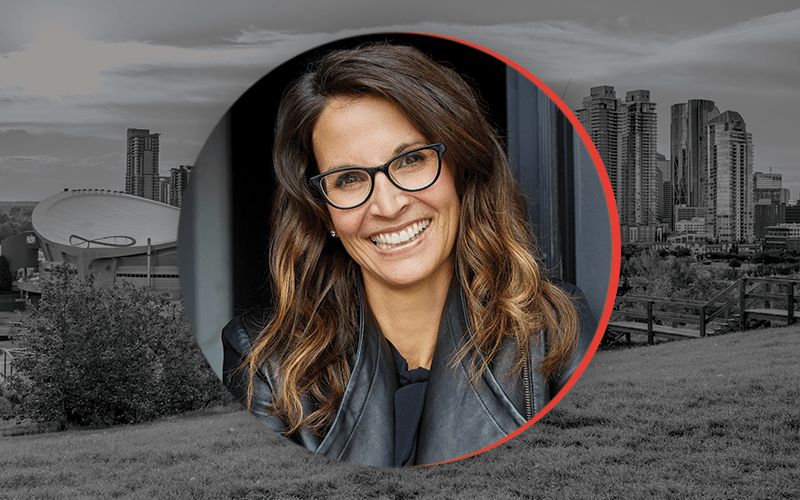
Shauna MacDonald, One of Canada’s Leading PR Pros Shares How to Tackle Communications in 2021
Episode
Shauna McDonald is is one of Canada’s leading PR pros. As the Principal & Founder of Brookline Public Relations...
Key takeaways
- Success in PR requires constantly evolving and staying ahead of industry trends while being discerning about which changes are meaningful versus temporary fads.
- Building strong relationships with media contacts is essential for both securing positive coverage and managing potential crisis situations effectively.
- The PR landscape has fundamentally shifted from traditional media dominance to a digital-first world where content creators, influencers, and mobile platforms often break news first.
- Entrepreneurs must accept that in the early years the work never stops, but with experience you learn to prioritize what's urgent versus what can wait until tomorrow.
- Taking calculated risks, such as expanding into new markets, is necessary for business growth and can lead to significant returns when timed correctly.
Transcript
Full transcript page · Interactive episode
============================================================
TRANSCRIPTION WITH SPEAKERS
============================================================

[00:00] SPEAKER_01: Welcome to Canada's Entrepreneur, where we talk to the entrepreneurs who are making it happen
[00:05] SPEAKER_01: across Canada and deliver the news, trends, knowledge and opinions from entrepreneurs and business
[00:13] SPEAKER_01: influences across the country. Hello, I'm Mario Taniguchi, managing editor of Canada's Entrepreneur.
[00:21] SPEAKER_01: Joining me today on Calgary's podcast is Shana McDonnell, principal of Brookline PR in Calgary.
[00:28] SPEAKER_00: Thanks Shana for joining us today. Thanks for having me. Nice to see you Mario.
[00:33] SPEAKER_01: Nice to see you too and maybe we'll start off by just giving us a little rundown of what Brookline
[00:39] SPEAKER_00: PR is and what you do. Sure, we are a full service public relations agency or headquartered in
[00:48] SPEAKER_00: Calgary. We've got a presence also in Edmonton and Toronto. We are celebrating 20 years this year,
[00:55] SPEAKER_00: which is fantastic. When I say full service PR agency, that means anything from corporate
[01:01] SPEAKER_00: communications and proactive communications to crises and issues management on the reactive side
[01:07] SPEAKER_01: and everything in between. Now before I forget, where did the name come from?
[01:14] SPEAKER_00: I did my master's degree in communications in Boston and I lived in the neighborhood Brookline.
[01:20] SPEAKER_00: So when I started Brookline, I wanted to pay homage to really where I cut my teeth in the industry.
[01:27] SPEAKER_01: Okay, excellent. Where are you from originally? From Alberta.
[01:33] SPEAKER_00: Diehard, Euler's fan, Borden Edmonton, and then moved around and then ultimately moved out
[01:38] SPEAKER_01: east and then to the states in Boston. Okay, tell me just a little bit about the background in terms
[01:47] SPEAKER_01: of getting into this industry. What was the appeal for you to get into the whole PR thing?
[01:56] SPEAKER_00: Yeah, that's a great question. I did my undergrad in business and was a numbers person. So I really
[02:01] SPEAKER_00: thought I was going to be this investment banker or private equity or something like that.
[02:07] SPEAKER_00: And I went and did a semester abroad and someone had said to me, what am I promised that to me?
[02:13] SPEAKER_00: You should really do something in marketing. You're really good at it and particularly in PR.
[02:18] SPEAKER_00: And I knew a little bit about it because in marketing courses, you talked, you did a little bit of PR,
[02:23] SPEAKER_00: but not a lot. But they got me thinking I started looking into grad schools and sure enough,
[02:29] SPEAKER_00: Boston University had a great reputation. So they had a communications master's program.
[02:34] SPEAKER_00: And there I fell in love with it. So after graduating, worked at a Boston-based
[02:40] SPEAKER_00: boutique PR and advertising agency. So kind of put my numbers brain aside and really went into
[02:47] SPEAKER_00: that creative side of my brain and worked there for a number of years. And fell in love with it.
[02:53] SPEAKER_00: Came back to Canada, worked for another big multinational PR firm. But then I think felt I want
[02:59] SPEAKER_00: to do this on my own. And that's where that business side number side came back in to start building
[03:04] SPEAKER_01: Brookline again 20 years ago. What was the biggest challenge for you when you started on your own
[03:12] SPEAKER_00: and venture it out on your own? I think the biggest challenge for me was will this sustain itself?
[03:21] SPEAKER_00: I knew that when I left the agency that I was at, I was confident enough that I could get some
[03:28] SPEAKER_00: client short term. A lot of companies came my way when I started, but I just thought will this
[03:34] SPEAKER_00: sustain itself? Or is there going to be a day where they're going to look somewhere else? So that
[03:38] SPEAKER_00: was a challenge, it was more in my head type of challenge than it was operationally.
[03:44] SPEAKER_01: Now fast forward from when you started till today, like who are some of your biggest clients?
[03:51] SPEAKER_00: Oh goodness. We deal with a lot of different brands. We just secure a significant brand in Canada,
[04:00] SPEAKER_00: but I can't tell you about that just yet, but I will. It's very, very cool. We work with organizations
[04:06] SPEAKER_00: like the Calgary Public Library and all the libraries around Calgary to the brick across the country.
[04:13] SPEAKER_00: We've had the opportunity to work with my favorite NHL team, the Edmonton Oilers, and we helped
[04:18] SPEAKER_00: do all the marketing around ice district. So when you watch the Moss Pit and all the people in it,
[04:26] SPEAKER_00: all of that infrastructure, we did the marketing and PR for. So very proud of that.
[04:31] SPEAKER_00: I was certainly an oiler stand before that came our way, but very glad we got toward an
[04:36] SPEAKER_01: approach like that. Yes. And of course you've had obviously every year in Calgary,
[04:43] SPEAKER_01: or not every year, the big event, right? The global energy show.
[04:47] SPEAKER_00: Yes. We've been working with them for years and they have the multitude of
[04:51] SPEAKER_00: amount of events across the country, but that's really one of their linchpin's, which is great.
[04:57] SPEAKER_00: And that brings a ton of media to the city. Great economic boost for the city as well.
[05:05] SPEAKER_00: So and dealing with a lot of key speakers. So that's great for the team.
[05:08] SPEAKER_01: Now you mentioned the city as a business owner. What's it like running a business in a city like
[05:19] SPEAKER_01: this? What advantages do you think there is of being an entrepreneur in Calgary?
[05:26] SPEAKER_00: I think there's so many advantages. I know that for one, the talent pool is fantastic.
[05:33] SPEAKER_00: The universities are very strong in terms of teaching on the communication side,
[05:40] SPEAKER_00: the journalism side, as you know. And I think also from an entrepreneurial spirit. Like I think
[05:46] SPEAKER_00: if anything, if you're looking for a place to work or if you're looking for clients,
[05:52] SPEAKER_00: there's that camaraderie as well. And I found that throughout the 20 years. Oh, I know someone
[05:57] SPEAKER_00: who might need your support or I need so I know someone who might want to meet with you because
[06:02] SPEAKER_00: they want to get into PR. So there's a little bit of give and take. I can't speak for the other
[06:06] SPEAKER_00: cities. We certainly work in Edmonton and Toronto and Vancouver for that matter. But I think Calgary's
[06:13] SPEAKER_00: really special. And I have had nothing but great great experiences. Okay. Now when you look at that
[06:23] SPEAKER_01: journey of 20 years and going from here to now to there. Yes. What do you think been some of the
[06:31] SPEAKER_00: keys to your success there? Oh God. I think for me, he's to success are, and I say this to the team,
[06:42] SPEAKER_00: you have to constantly change and evolve. Brookline today is not the Brookline 20 years ago.
[06:49] SPEAKER_00: There's trends and you have to be aware of are these trends a fat or are these trends going to
[06:53] SPEAKER_00: stay and is this something that clients are going to need? So I think the reason Brookline has been
[06:59] SPEAKER_00: successful is that we are aware of what needs to happen. And I think we're a little bit ahead of
[07:05] SPEAKER_00: the curve, if you will, and that anticipation of what needs to happen for our clients. But at the
[07:10] SPEAKER_00: same time, we're also guarded in the sense of is this going to make sense or is this just to fat
[07:15] SPEAKER_00: in something that we should be providing our clients? So there's that conservative that
[07:20] SPEAKER_00: conservative side as well. I also think though, and this might be talking about sides of my mouth,
[07:27] SPEAKER_00: there's also the reason of being successful is you have to take risks. So us working in the
[07:33] SPEAKER_00: Edmonton market, us working in the Toronto market, and COVID certainly helped with us being able
[07:38] SPEAKER_00: to be very virtual. And at the time, we're we biting off a little bit more than we can chew potentially,
[07:45] SPEAKER_00: but the return was fantastic. So you have to be able to take those risks as well.
[07:50] SPEAKER_01: Hmm, yeah, interesting. You know, along that journey,
[07:54] SPEAKER_01: was there any role models in terms of the industry itself or the business world, or even
[08:05] SPEAKER_01: the even books or whatever that that helped you along the way?
[08:09] SPEAKER_00: I've had I've been very lucky to have a few role models. One was my initial boss in Boston. He kind of
[08:21] SPEAKER_00: saw something in me and thought, you know what, you're going to go a long way in PR and certainly
[08:25] SPEAKER_00: here's some food for thought and some ideas that I'd like to kind of extend your way and give you
[08:30] SPEAKER_00: some advice. So he and I had a great relationship. And then when I did start Brookline, I still have
[08:37] SPEAKER_00: two former clients that I go to just for advice or get their opinions on things. They saw me as
[08:45] SPEAKER_00: their PR agency at the time, but now that they're former clients, they also know what we're good at
[08:50] SPEAKER_00: and what we can do. So I have someone on the financial side that I certainly go to, but then I
[08:56] SPEAKER_00: also have someone on the operational logistics side as well, which is really good. And I'm very
[09:01] SPEAKER_00: lucky to have that. Yeah. Why do companies need PR? They need PR for a variety of reasons.
[09:10] SPEAKER_00: Often I literally just got a phone call this morning. Often clients come to us for a crisis or an
[09:16] SPEAKER_00: issue and they need to contain it, right? So there's that reactive piece of how to way figure this out.
[09:22] SPEAKER_00: Don't know what to do. Help. Then there's the flip side to that is you know the proactive side where
[09:28] SPEAKER_00: they want to get good news out, whether it's a new CEO or new product or new opening of x, y,
[09:35] SPEAKER_00: or z. So there's a variety of reasons. And I think because of that, the PR industry has been
[09:43] SPEAKER_00: consistent. And we've been very consistent over the last 20 years. Now when you look at what you do,
[09:54] SPEAKER_01: how important is I guess building relationships with the media. Very important. You know that. Yes.
[10:08] SPEAKER_01: This is for viewers. What's that? This is for our viewers to understand. It is so important because
[10:17] SPEAKER_00: we want to make sure that we're giving our media contacts great information for them to do a
[10:22] SPEAKER_00: really good job on telling their story and telling their story for their viewers, for their listeners,
[10:27] SPEAKER_00: for their readers. But on the flip side, there's oftentimes we have to have that relationship where
[10:33] SPEAKER_00: the reporter saying, listen, I heard this and I'm going to run with it. Are you going to comment and
[10:39] SPEAKER_00: be able to say, listen, if you hold a little bit, I'm going to be able to give you more information.
[10:45] SPEAKER_00: So it's a better story and having that as I said collaborative relationship. If you don't have
[10:52] SPEAKER_00: that relationship, A, I don't think the story is going to be any stronger and B, there's not that long-term
[10:59] SPEAKER_00: path for you to have that connection with them. Yeah, exactly. It's so important. Yeah. What
[11:06] SPEAKER_01: the other thing I was going to ask you, do you get into much like the event side of things?
[11:15] SPEAKER_01: Very much so. Yes. How maybe explain a little bit more about that and what does it take?
[11:24] SPEAKER_01: Obviously, it depends on the size of the event. What need really needs to be done when you
[11:31] SPEAKER_00: approach an event to pull it off? I think you have to start from concept. What is a concept? What's
[11:44] SPEAKER_00: we've done events from opening Calgary's longest runway at YYC several years ago to opening
[11:52] SPEAKER_00: Roger's place arena in Edmonton with former NHL players and the logistics and the security
[12:00] SPEAKER_00: around that to a very intimate board meeting with key dignitaries and government officials.
[12:08] SPEAKER_00: Whether it's small or huge or large scale, you have to come up with a concept that everyone is
[12:15] SPEAKER_00: bought into. Then once that concept or theme is approved, everything can be built based on that.
[12:21] SPEAKER_00: I will tell you this in the event world, details are king. The smallest thing can turn
[12:30] SPEAKER_00: something sideways or a curve ball will present itself and you have to pivot. Just thinking about
[12:37] SPEAKER_00: how far are your goal posts and how far are you going to have to plan based on that compromise?
[12:43] SPEAKER_01: I remember, I don't know if you know this, but years ago when I was still working at the
[12:51] SPEAKER_01: Calgary Harold, I took a PR course at Mount Royal. It was one of those certificates. I got a certificate
[12:59] SPEAKER_01: and that's awesome. One of the courses was on event planning. I was just amazed.
[13:11] SPEAKER_01: Then it all made sense. The little things like parking. You know what, if you're holding a
[13:18] SPEAKER_01: news conference, there's one thing, as you will know, that it would get media really ticked off
[13:27] SPEAKER_01: is that they can park anywhere near where the site is. Yes. Absolutely.
[13:33] SPEAKER_01: Without having any food or drink at home. Yes. So these are simple things like that, right?
[13:39] SPEAKER_00: Totally. To port parties, sometimes you have to think about how long is this event?
[13:47] SPEAKER_00: And the details I think are absolutely key, but again, nothing is ever going to go completely
[13:53] SPEAKER_00: as planned. So you have to be flexible and think on your feet.
[13:57] SPEAKER_01: When you look at the whole industry in general, what do you think the biggest changes have been
[14:04] SPEAKER_00: in the industry over those 20 years? Well, I think the consolidation of media outlets for sure,
[14:12] SPEAKER_00: and having to make sure that you're honing in and targeting your stories with media that
[14:21] SPEAKER_00: are still here, but I also say, and the consolidation of that is because the growth of digital,
[14:27] SPEAKER_00: the growth of digital is huge. And when I say digital, I mean content creators, influencers,
[14:34] SPEAKER_00: citizen journalists, no longer is the breaking news in a newspaper. The breaking news is on
[14:40] SPEAKER_00: an iPhone. The breaking news is mobile. So having to transition into that world is key. And I think,
[14:46] SPEAKER_00: as I said at the beginning of our conversation, you have to embrace change and be able to go,
[14:52] SPEAKER_00: okay, this is the world now. How are we going to make it work? And how is it going to be really
[14:56] SPEAKER_01: good for our clients? So you touched on an interesting thing there. And I want to explore a little bit
[15:02] SPEAKER_01: more. You know, when you look at the media and then for those viewers, don't know, I spent 35 years
[15:08] SPEAKER_01: at the Calgary Harrow. So there. So, thank you. So, you know, things have changed, you know,
[15:19] SPEAKER_01: the Calgary Harrow, like any other newspaper across Canada, have limited resources now,
[15:25] SPEAKER_01: limited resources, limited space, right? So yet on the other side, what you've seen is the growth of
[15:34] SPEAKER_01: kind of niche publications, right? I guess we're one of them, right?
[15:40] SPEAKER_01: Type thing. But a lot of that. But then also a lot of the personal ones, like the content creator
[15:48] SPEAKER_01: and creators and the quote unquote influencers. So do you spend as much time now on that on the other
[15:57] SPEAKER_01: side, then you have saying the past as opposed to the past year, your focus probably would have been
[16:06] SPEAKER_00: completely on mainstream media, right? Completely. Well, as the world of social media is of all,
[16:14] SPEAKER_00: we've certainly spent a lot of time on the digital side. But I will say it truly depends on the client.
[16:20] SPEAKER_00: Our B2B clients are still very much integrated into traditional media or vertically based media,
[16:27] SPEAKER_00: whether that be energy, healthcare, transportation, etc. Our B2C clients, where it's very
[16:34] SPEAKER_00: consumer-heavy, for sure the content creator side is really grown.
[16:38] SPEAKER_01: Okay, then. What are your thoughts about the business going forward? And where do you think you're
[16:46] SPEAKER_00: going to be in five, ten years? Man, oh, man. For us, and this is certainly well known within the
[16:57] SPEAKER_00: team, but I think for us, we really want to look at building out our Toronto presence more.
[17:03] SPEAKER_00: I think with this current new client that we've just secured, that's going to be a really great
[17:09] SPEAKER_00: opportunity for us. I think over the next few years, that's going to be a growth spot for us.
[17:15] SPEAKER_00: And again, as I mentioned, post-COVID, the virtual world has really grown for agencies in terms of
[17:21] SPEAKER_00: where you can. Not necessarily can't work anymore. You can really work anywhere as long as you've
[17:27] SPEAKER_00: got that expertise. So I think over the next few years, out-eats is going to be a huge growth spot
[17:32] SPEAKER_01: for us. And we're really excited. Okay, let me switch gears before we bring this to an end.
[17:39] SPEAKER_01: And a little more by you. So obviously entrepreneurs are always busy. They're probably working 24-7.
[17:47] SPEAKER_01: If not, physically working their brain is working on things, right? Totally.
[17:52] SPEAKER_00: What do you do to relax? I am an added runner. I love to run. I'm also a huge sports mom.
[18:01] SPEAKER_00: So I've got two boys in every single sport you can imagine. So if I'm not at the office or at the
[18:07] SPEAKER_00: home office, the hockey rink, the football field is where you will find me. And I love that.
[18:13] SPEAKER_01: I'm their biggest fan. Yeah, it's important, don't you think, to have that time that's...
[18:21] SPEAKER_01: I think a lot of entrepreneurs get so tired and so burnt out, I think, because they don't have that
[18:28] SPEAKER_00: balance. I think so. And I think also, you know, I have... I don't know if it's the luxury or the
[18:38] SPEAKER_00: experience now of 20 years at this, right? So I'm able to kind of look and get a sense of, okay,
[18:45] SPEAKER_00: what's urgent, what's necessary, what's important, what can I hold on to, what do I need to pause,
[18:51] SPEAKER_00: what can I just wait, hold on to and pause until tomorrow? And I think I've gotten really good at that.
[18:56] SPEAKER_00: I would say though, to your point, given this is Canada's entrepreneur podcast, if you're a new
[19:02] SPEAKER_00: entrepreneur, you need to know that the light never turns off. And those early years are going to
[19:08] SPEAKER_00: be some hardworking years in case, in order for you to be successful, for sure. Yeah, exactly.
[19:14] SPEAKER_01: It's a tough one, but, you know, I think I've learned through personal experience, but also
[19:22] SPEAKER_01: just talking to a lot of people, entrepreneurs over the last couple of years, is that, yeah,
[19:28] SPEAKER_01: you need that other side because you can't sustain going... Exactly. Right, yeah, exactly.
[19:35] SPEAKER_01: Totally. Alrighty, well thanks so much, Shana, for joining us today.
[19:40] SPEAKER_00: Oh, it was a pleasure. Nice to see you as always, Mario. Okay, wonderful. That was Shana McDonald's
[19:46] SPEAKER_01: principle of Brookline PR in Calgary. I'm Mario Tonoguzy, managing editor of Canada's
[19:52] SPEAKER_01: entrepreneur. Thanks for joining us today.