
Pete Nguyen
Episode
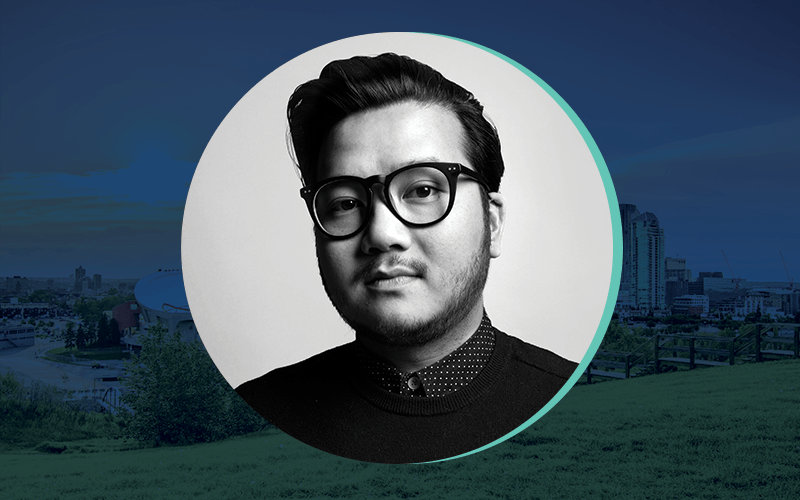
Pete Nguyen is an Art Director at Berlin Communications, partner of Sea Change Brewing Co., and an active illustrator, muralist, designer and...
Key takeaways
- Don't overthink the risks of starting a business—just take action and be excited about what you're doing.
- Trust in your own ideas and skills rather than constantly second-guessing yourself, especially when working on creative projects.
- Learn to walk before you run by pacing your growth carefully and avoiding premature publicity that can waste momentum.
- Building a business in emerging markets requires patience in educating consumers who may not yet understand your product category.
- Seemingly disconnected experiences and passions from your past can unexpectedly contribute to building your career in ways you never anticipated.
Transcript
Full transcript page · Interactive episode
============================================================
TRANSCRIPTION WITH SPEAKERS
============================================================

[00:00] SPEAKER_00: It's Calgary's podcast on the Canada's podcast network.
[00:15] SPEAKER_01: Hello, this is Mario Tana using coming to you today with Edmonton's podcast.
[00:20] SPEAKER_01: A member of Canada's podcast network where we talk to the entrepreneurs who are making
[00:25] SPEAKER_01: it happen in Edmonton, Alberta, so you can listen, discover and engage.
[00:32] SPEAKER_01: Today's guest is Pete Winn, an art director at Berlin Communications partner of SeaChange
[00:39] SPEAKER_01: Brewing Company and an active illustrator, muralist, designer and musician.
[00:45] SPEAKER_01: Welcome to the show, Pete, and thanks for taking the time today to be here for our listeners.
[00:50] SPEAKER_01: Thanks for having me.
[00:51] SPEAKER_01: Tell me a little bit about the SeaChange.
[00:53] SPEAKER_01: It's history and how it started.
[00:56] SPEAKER_00: Okay, it's kind of a long story since a lot of the guys that kind of started in that
[01:02] SPEAKER_00: five known tour, maybe about 10 plus years here in Edmonton, and they were all part of
[01:09] SPEAKER_00: sort of like a punk music scene back then and we were playing in a bunch of different
[01:13] SPEAKER_00: bands separately, but we played together all the time.
[01:17] SPEAKER_00: The whole brand kind of built up just because everyone needed to get some sort of job,
[01:22] SPEAKER_00: because unfortunately music and punk music, especially doesn't really pay very well.
[01:28] SPEAKER_00: So we had all these people who started working as like Christians, started working in hospitality.
[01:35] SPEAKER_00: I of course went into more of the marketing and advertising in art world.
[01:39] SPEAKER_00: So throughout the years we sort of built that connection.
[01:42] SPEAKER_00: And then a couple of the guys were working at another local brewery where they've built up quite a bit of experience.
[01:50] SPEAKER_00: And they got to a point where they were either going to do something on their own or try to find another way
[01:55] SPEAKER_00: to build something creative.
[01:59] SPEAKER_00: So that's how SeaChange started.
[02:01] SPEAKER_00: It was sort of an idea.
[02:02] SPEAKER_00: And up to that point we were working on a bunch of little projects together.
[02:07] SPEAKER_00: Here and there, I did a lot of band merch nice for them.
[02:10] SPEAKER_00: So we were very familiar with each other.
[02:12] SPEAKER_00: So when it came to the point of like making this brewery happen, it sort of became like an ocean of 11 moment
[02:19] SPEAKER_00: where they were like, who's going to fill this role, who's going to fill that role?
[02:23] SPEAKER_00: And they all knew that art and design in regards to marketing was each part of building a brewery, especially in Alberta's brewery climate right now,
[02:33] SPEAKER_00: where it's becoming quite competitive.
[02:35] SPEAKER_00: So to be able to stand out was in the front part.
[02:39] SPEAKER_00: So that's basically how it came to be.
[02:42] SPEAKER_01: Tell me a little bit about the benefits of doing business in Edmonton.
[02:48] SPEAKER_00: I think for most things, Edmonton is one of those continually growing markets that's always exciting right now.
[02:58] SPEAKER_00: We're a little bit behind, but it's kind of in favor of ideas.
[03:04] SPEAKER_00: And I always put in that if you can't do it here, it's going to be real to do it anyway else.
[03:09] SPEAKER_00: So there's an unlimited amount of possibility here.
[03:12] SPEAKER_01: What are challenges that you face doing business in Edmonton?
[03:17] SPEAKER_00: I think it's like a double-edged sword.
[03:20] SPEAKER_00: So as much as there is a lot of opportunity, whatever you want, you also have to kind of get the greater majority.
[03:26] SPEAKER_00: So that's a way to try new things or experience new ideas that haven't quite broken into the market yet.
[03:32] SPEAKER_00: So that's sort of the biggest challenge is that craft brewing being one of those things that is still fairly new.
[03:40] SPEAKER_00: There's a lot of people who want to get into, who want to experience it.
[03:44] SPEAKER_00: But we find the vast majority of Edmonton is still unsure of what craft brewery is and how it affects them as consumers.
[03:53] SPEAKER_01: Why would you recommend Edmonton to entrepreneurs looking to start a business?
[03:58] SPEAKER_00: I think for me, the biggest thing is just to do it.
[04:04] SPEAKER_00: Kind of thinking a little bit too hard about how to do it or what the risks are, but kind of become the deterrence.
[04:10] SPEAKER_00: And I think making those risks being excited about what you're going to do and just go for it.
[04:15] SPEAKER_01: Okay, some of our best ideas come when we least expect them.
[04:21] SPEAKER_01: How do you personally disconnect, recharge or get inspired in Edmonton?
[04:26] SPEAKER_00: I'm lucky in that I'm working as an entrepreneur, but also as a creative person.
[04:35] SPEAKER_00: And that's sort of a little bit of a, well, it's part of my life and my daily routine.
[04:39] SPEAKER_00: So for me, recharge, but I think sometimes as I get to sit down and silence and draw something for fun.
[04:47] SPEAKER_00: And that doesn't happen that often, but it's something that I try to find time for.
[04:50] SPEAKER_00: And it's a way for me to disconnect from the world, disconnect from sort of other jobs and thinking about things.
[04:57] SPEAKER_00: And as far as big picture goes and all I get to you, you know, enjoy the craft of drawing or building something creative for a little bit.
[05:05] SPEAKER_01: What are you most excited about sea change these days?
[05:10] SPEAKER_00: I think the excitement is what we can do in five years or 10 years.
[05:15] SPEAKER_00: Right now we've been open our cap room and our brewery has been brewing and opened for about about nine months, almost, maybe 10 months, almost a year now.
[05:24] SPEAKER_00: And it's just, we have all these ideas and we have all the things you want to accomplish.
[05:30] SPEAKER_00: And it's going to take time, it's going to take money and it's going to take a lot of work, but that's sort of the exciting part.
[05:37] SPEAKER_01: What's your vision for the company?
[05:39] SPEAKER_00: We actually got to take a trip with everyone here out to Victoria not too long ago and just to see how other creative breweries in the craft brewing industry kind of built up their brand.
[05:51] SPEAKER_00: And we got to visit Phillips. I'm not sure if you're familiar with those guys, but the other Victoria, fantastic, very really art focused.
[05:58] SPEAKER_00: And that just kind of got us really excited about what the possibilities are. And for us, I think the biggest thing is to be able to produce as much beer as possible and do all the varieties we want to build and create a community around it.
[06:14] SPEAKER_00: Things like bringing in music festivals, supporting artists and just kind of experimenting with community based advertising and marketing.
[06:22] SPEAKER_00: That beer is part of, but not necessarily tied directly to.
[06:27] SPEAKER_01: What has been the greatest challenge you've faced in setting up the business to date?
[06:33] SPEAKER_00: I think the biggest one is brewing in general just takes a lot of money and takes a lot of time and it takes a lot of space.
[06:42] SPEAKER_00: So one of the biggest challenges we have is how do you balance all of that and make it work?
[06:48] SPEAKER_00: So we just kind of went over and overhauled our whole brew house setup so that we can produce more beer and work a lot less right now.
[06:58] SPEAKER_00: Our head brewer is working heavy days. He's working probably six or seven days a week at maybe 12 hours a day to produce the amount of beer we're making.
[07:06] SPEAKER_00: And getting this new, and then has been a challenge financially, but it's going to help our business grow a lot quicker.
[07:14] SPEAKER_01: Now, in hindsight, when you look back and on starting this business, what do you know now that you wish you knew when you first started it?
[07:25] SPEAKER_00: That's always a tough question and I feel like we're in a good spot that if I knew any more about the challenges we're facing and the challenges that we might face in the future, it kind of stops you from being creative and trying different things at the beginning.
[07:40] SPEAKER_00: So I tried hard to think too hard about what I could learn, but overall I think the idea is you need to kind of, as much as you want to dive into things, you kind of have to learn to walk before you run.
[07:51] SPEAKER_00: So the slower we take it the better. I know at the beginning one of the biggest things that we got a lot of pressing the papers and stuff like that quite early on and we weren't quite ready to open yet.
[08:04] SPEAKER_00: So we lost a lot of momentum on that point. And that's one of those things where we got a little bit too excited to early.
[08:10] SPEAKER_01: As an entrepreneur, what's the best piece of advice you've ever received?
[08:16] SPEAKER_00: The biggest one is just to kind of trust in your ideas. I struggle with that a lot.
[08:22] SPEAKER_00: Working in the creative industry where we pitch ideas to companies and corporations and we try to figure out what's going to line up the best with their needs as well as the creative needs.
[08:34] SPEAKER_00: And I think when I work in my something for myself in the way that the brewery or being a freelance illustrator or being an artist is to sort of trust in your own skills and what you're good at and just believing yourself essentially.
[08:48] SPEAKER_01: Okay, I'm going to ask you a couple of personal type questions, Pete. What's on top of your bucket list right now?
[08:56] SPEAKER_00: That's a tough one. I think it regards to just personal development. Is that sure?
[09:02] SPEAKER_00: I would like to, I mean, the thing about doing all this kind of work is you leave a lot of, you don't leave a lot of time for personal stuff.
[09:12] SPEAKER_00: So I'm made and I'd like to spend more time with my life doing more traveling and stuff like that.
[09:19] SPEAKER_00: So if I had the choice, I would be able to take some time off work and spend more time doing things that I miss out on quite a bit.
[09:27] SPEAKER_01: Now, if you weren't doing what you do now for work, any thoughts or ideas of what you would pursue as a career profession.
[09:37] SPEAKER_00: I think that would, I mean, I don't, I don't do a kind of marketing directly, but I'd love to get into the world of just pure sort of digital marketing and learning a little bit about that or maybe I could probably pursue music as a career a little bit further.
[09:54] SPEAKER_01: Oh, okay. What kind of music?
[09:57] SPEAKER_00: I would, I would continue doing what I, what I did maybe 10 years ago, kind of playing music and trying to find a way to, to move it all together, maybe create a label or resource for bands from market themselves. That's kind of part of being a musician today.
[10:13] SPEAKER_01: What, what book are you currently reading?
[10:17] SPEAKER_00: I haven't been reading a lot of books like they've been listening to a lot of podcasts since then because I kind of need that quick information that 20 to 40 minutes long and don't really have much time to sit down and read, but as for podcasts, I just, I listen to a lot of reply all.
[10:33] SPEAKER_00: Is a great one that talks a lot about what's going on in the world today and the internet and building interesting stories from that. And that's sort of my favorite thing to listen to.
[10:42] SPEAKER_01: Okay, now if you had one word to describe yourself, what would it be and why?
[10:49] SPEAKER_00: I think curiosity would be the biggest one. I get into these boats of curiosity where I find something a little bit interesting and I want to know how it works. I want to know how it's why it works. And I really got a deep dive into it so that would be the word for me.
[11:04] SPEAKER_01: Okay, is there anything that's keeping you up these days at night? You can't sleep about.
[11:10] SPEAKER_00: I think it's always getting something done. I sort of have this thing where I have to, once I start something, I have to finish it. Not as quick as possible, but I try not to have other distractions that I can focus on it.
[11:22] SPEAKER_00: So I've done some recent projects that were sort of these large scale painted mirrors and they really eat away at me because I keep thinking about what I want to do with them, but I'm not there at the wall to complete it.
[11:35] SPEAKER_00: So that's the kind of stuff that kind of keeps me up at night.
[11:39] SPEAKER_01: Outside of Edmonton, are there any favorite places that you'd like to go to and why?
[11:46] SPEAKER_00: Yeah, I got to visit Austin a couple of times quite a bit ago, but that's sort of been a place that I'm really excited about mostly because it feels very much like Edmonton.
[11:57] SPEAKER_00: And it's creatively minded in a way that other cities haven't sort of come across that way to maybe for us.
[12:06] SPEAKER_00: So I'd love to go to Austin like experience a couple of little bit more and have great food there as well.
[12:12] SPEAKER_00: And great music.
[12:13] SPEAKER_00: And great music. Yeah, it's a perfect place for me.
[12:16] SPEAKER_01: Okay, now, you know, we're kind of creatures of habit and ritual. Is there anything that you do on a daily basis when it comes to routines that, you know, is there almost every single day for you?
[12:32] SPEAKER_00: I try not to get into too much of a routine. I mean, being able to work in an office with Berlin communications kind of gets forces me into a little bit of routine to work within the hours of the day.
[12:46] SPEAKER_00: So I think that everyone else is sort of working so roughly within the nine to five when all the communication happens.
[12:52] SPEAKER_00: But aside from that, I try not to say that I have to do something at a certain time or I have to do something in order to start something else.
[12:59] SPEAKER_00: And I try to feel it out as best as possible. But I think one of the habits that aren't that isn't necessarily timed, but I try to do is try to take a minute to take things in before I start a project.
[13:11] SPEAKER_00: So I try not to rush into if I'm starting an illustration, I'm trying to rush into it too quickly. I want to be able to think about it before I start.
[13:21] SPEAKER_00: So I always take that minute to really evaluate what I'm doing before I get going.
[13:27] SPEAKER_01: Mm-hmm. I'm going to ask you kind of a nod ball question. So imagine this beautiful tropical island in the middle of the ocean with only one full booth and no internet.
[13:38] SPEAKER_01: Now we're going to drop you off there with no technology at all, no cell phones, smartphones, tablets, anything.
[13:46] SPEAKER_01: At any time you can use the one full booth on the island to call the boat to come pick you up.
[13:52] SPEAKER_01: Now how long would you last before making that phone call? And what do you think you'd do until then?
[13:59] SPEAKER_00: That's a hard question. I would, I think I would take that moment to kind of relax as much as possible.
[14:05] SPEAKER_00: I don't know how long I as much as I'd like going outdoors and stuff like that. I don't think I would last very long without any sort of communication to the outside world.
[14:16] SPEAKER_00: I would say maybe a couple nights or the most before I start calling it in.
[14:22] SPEAKER_00: Yeah, I think what I do is just kind of sit around and enjoy the piece for a little minute.
[14:29] SPEAKER_01: Is there anything you'd like to add before you leave us today, Pete?
[14:33] SPEAKER_00: No, I think it's, I mean in general, I think one of the things that's most interesting about what I've built my career on so far is just the ability to not think too hard about things and to understand that completely disconnected things can sort of help you build your career.
[14:51] SPEAKER_00: I think being in a band was a huge driver in what I do now, enjoying drawing and comic books is also a thing that drove where I'm at now.
[14:59] SPEAKER_00: And it's, if I were to tell myself 10 years ago that I would be a partner and a breed to me, it wouldn't make any sense.
[15:07] SPEAKER_00: But it does now.
[15:09] SPEAKER_01: Okay, thanks, Pete, for being our guest on Edmonton's podcast.
[15:13] SPEAKER_01: Okay, thanks for having me.
[15:16] SPEAKER_01: Hey there, thanks for taking the time today to listen to Calgary's podcast on Canada's podcast network.
[15:23] SPEAKER_01: We hope you enjoyed the show today.
[15:26] SPEAKER_01: Make sure you sign up for our newsletters and write a review for us on iTunes and then connect with us on Twitter, Facebook, Instagram, LinkedIn at Canada's podcast.
[15:39] SPEAKER_01: You can also check out what other entrepreneurs are doing across the country.
[15:44] SPEAKER_01: See you next time.