
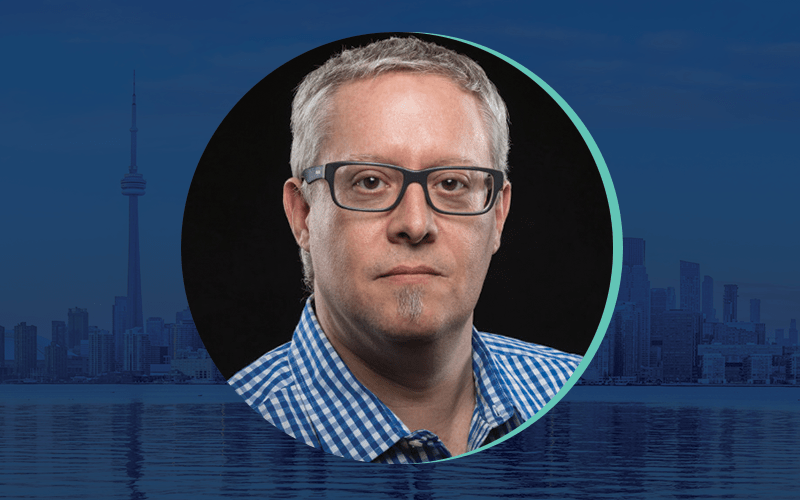
Michael Zahra Discusses his Drone Delivery Company and Taking a Company Beyond Startup
Episode
Michael Zahra is a seasoned CEO who has worked with many of the larger corporations in Canada. Drone Delivery Canada is...
Key takeaways
- Learning to say no is crucial for entrepreneurs because chasing too many opportunities at once means you'll catch none and lose focus on your core vision.
- Building the right culture and taking care of your employees should be the priority because engaged teams will naturally take care of customers and drive company success.
- Moving from startup to scale requires injecting reality into visionary ideas while implementing proper processes and governance without creating bureaucracy that slows the company down.
- Regularly refresh your strategic plan at least quarterly in new industries because unexpected changes and opportunities will require you to pivot while staying true to your overall direction.
- Focus on people behind the numbers and ensure even lower-level employees understand how their work moves the company forward to create real engagement and accountability.
Transcript
Full transcript page · Interactive episode
============================================================
TRANSCRIPTION WITH SPEAKERS
============================================================

[00:00] SPEAKER_00: It's Toronto's podcast on the Canada's podcast network.
[00:05] SPEAKER_00: Hi everyone, I'm Phil Bliss, a business visionary and welcome to Toronto's podcast.
[00:10] SPEAKER_00: Part of the Canada's podcast network, your source of the great insights from entrepreneurs
[00:15] SPEAKER_00: across Canada.
[00:17] SPEAKER_00: Today we're with Michael Zara, who is CEO of Toronto Delivery Canada.
[00:23] SPEAKER_00: I'm deeply interested in learning about the Toronto business.
[00:27] SPEAKER_00: Michael, you're very entrepreneurial, but for the entrepreneurs that hear,
[00:32] SPEAKER_00: Mike brings a little difference between it.
[00:35] SPEAKER_00: He's one of those, once we've built something and it looks like it's going to start
[00:40] SPEAKER_00: making money, how the hell do we realize it?
[00:43] SPEAKER_00: And sometimes we're technologists, sometimes we're this, sometimes we're that,
[00:48] SPEAKER_00: but we're not necessarily the guys that line up all the dots and make the things happen.
[00:53] SPEAKER_00: Whereas Michael's background is both as an experienced, and I would say an early stage CEO
[01:01] SPEAKER_00: who has to be entrepreneurial, but it's kind of a good way to talk about,
[01:07] SPEAKER_00: you know, not messing it up, knowing when to bring somebody in to make it successful
[01:12] SPEAKER_00: versus taking down curves that he shouldn't go.
[01:15] SPEAKER_00: The dreadful pivot scene, which happens way too much.
[01:20] SPEAKER_00: But for audience, you know, just tell, tell everyone a little bit about yourself,
[01:24] SPEAKER_00: your background, why you've arrived, why you've arrived.
[01:28] SPEAKER_01: Sure. So I'm, my academic background, I'm an electrical engineer.
[01:34] SPEAKER_01: I did my MBA after that and then did a professional logistics designation.
[01:39] SPEAKER_01: So a good fit for this business.
[01:41] SPEAKER_01: I've worked mostly in large companies, such as Motorola, Alcatel,
[01:49] SPEAKER_01: Schlumberger, where I was the president, Yahoo, where I was the president.
[01:52] SPEAKER_01: Prior to this role, I was the president of Staples Business Advantage, which was the
[01:56] SPEAKER_01: the B2B side of Staples. So fairly broad experience every company I've been to has been
[02:03] SPEAKER_01: a completely different industry, which is an interesting perspective to bring, because you bring
[02:07] SPEAKER_01: a little bit of expertise from a broad range of vertical markets.
[02:13] SPEAKER_00: So can you solve as an entrepreneur or do you not can yourself?
[02:17] SPEAKER_00: I'm just curious, you know, try and get this synergy going between entrepreneurs and the
[02:22] SPEAKER_01: operation side of the business. So I would say that I have the characteristics of the entrepreneur,
[02:28] SPEAKER_01: but I've got the 30 years of experience working for large companies, and I can balance,
[02:35] SPEAKER_01: you know, understanding what it takes to bring a small startup to a full-scale
[02:41] SPEAKER_01: company and driving revenue and ultimately profitability, and all the things and processes
[02:47] SPEAKER_01: of procedures that are needed, but also being cognizant of not wanting to bring,
[02:52] SPEAKER_01: wanting to bring to bureaucracy and silos and these sort of things which are cliche from
[02:59] SPEAKER_01: from large companies. So bringing the best practices from large companies and the discipline
[03:03] SPEAKER_01: and the governance and these sort of things, but without slowing down a company that's small and
[03:08] SPEAKER_00: needs to stay nimble. Tell everyone a little bit about the company you're in, because as I was
[03:14] SPEAKER_00: just saying to you, the technology is important, but it's definitely a change industry that you're
[03:20] SPEAKER_01: in. Sure, so the company is called Drone Delivery Canada, and we are a Drone Logistics Company,
[03:26] SPEAKER_01: so it's not just about the Drone, we sell a full-turnkey Drone Delivery Logistics Infrastructure
[03:33] SPEAKER_01: Solution, and we've got Drones and Depos if live between and the software that brings it all
[03:39] SPEAKER_01: together, so it's a real full-turnkey system. And when I started with the company,
[03:44] SPEAKER_01: basically the technology or the first phase of the technology had been developed, regulatory
[03:50] SPEAKER_01: approval was received for one of the four drones in our fleet, so I think the founders who
[03:57] SPEAKER_01: were still with the company in varying roles, one of them, it's for founders, one of them was
[04:01] SPEAKER_01: actually the CTO, obviously, and really involved in the technology back then and still now.
[04:06] SPEAKER_01: They felt that the technology was at the point where we could now start thinking about going to
[04:12] SPEAKER_01: market. Technology was in place, regulatory approvals were in place, what do we need to do to go get
[04:18] SPEAKER_01: customers, and once you've got customers you need to start hiring employees so you can execute,
[04:24] SPEAKER_01: and then building all the processes, and HR, and finance, and project management, and helping safety
[04:28] SPEAKER_01: and these sort of things. So really I think the trigger for the founders was, technology's done
[04:35] SPEAKER_01: ready to go to market, so let's bring in somebody who can take us to market, who understands
[04:40] SPEAKER_00: all those functions. Okay, so you told me there were 12 to 14 people there when you arrived,
[04:49] SPEAKER_00: I mean on an organizational level without being too siloed, I mean what does someone like you
[04:55] SPEAKER_01: look to do, the organization? So the first thing I did was obviously you understand the business
[05:02] SPEAKER_01: in the industry and that sort of thing and where we wanted to go talking what their vision was and
[05:07] SPEAKER_01: and make sure that that vision made sense, and their vision need to be tweaked a little bit,
[05:11] SPEAKER_01: they need to inject a little bit of reality to it because not every entrepreneur is necessarily
[05:16] SPEAKER_01: grounded in reality, sometimes they're visionaries and dreamers which is good, it's not a bad thing,
[05:21] SPEAKER_01: but sometimes you need to dial that back and inject some reality into it. So my first task
[05:27] SPEAKER_01: was really to build out a strategic plan, how are we going to go to market, who was our customer,
[05:32] SPEAKER_01: what markets are we going to go to, what does the org chart look like today, what's the org chart
[05:37] SPEAKER_01: look like tomorrow, what supporting functions do we need like HR, finance, occupational health and
[05:45] SPEAKER_01: safety, sales, marketing and these sort of things. So really building a strategic plan was day one,
[05:51] SPEAKER_01: they had done that to a certain extent because we'd IPO'd and they'd done that with shareholders,
[05:56] SPEAKER_01: what operating strategic plan was what I did first. This is a finance strategic plan.
[06:03] SPEAKER_00: It's a big opportunity, where do you see yourself and see the company in the next five years,
[06:09] SPEAKER_00: is it staying in Canada, does it go global? Sure, so over the last year, I've been with the company
[06:15] SPEAKER_01: about a year and a quarter, a little more than that over the last year, so we have done the strategic
[06:20] SPEAKER_01: plan, we built out all the departments that we needed and we fully commercialized the business
[06:25] SPEAKER_01: and we started to sign customers with our commercial partner that we signed the Air Canada
[06:31] SPEAKER_01: last year. So now we're implementing, we've implemented our first customer, which was actually
[06:36] SPEAKER_01: going to go live probably a week from now, so this is very exciting. So first implementation of
[06:43] SPEAKER_01: our first revenue. So where the company is going to go over the next little while, so we're not
[06:48] SPEAKER_01: just building the company, we're actually building the industry. I don't want to sound arrogant
[06:51] SPEAKER_01: or naive, but I would say we're the leader in the drone delivery market globally,
[06:58] SPEAKER_01: despite some of the smoking mirrors. It's a big name, you know, you're just talking about
[07:03] SPEAKER_01: the sun, the FedEx, you know, they're both there. A lot of YouTube videos are smoking mirrors and
[07:10] SPEAKER_01: that sort of thing, but ours is grounded in reality, I made sure of that, so we're going to market.
[07:16] SPEAKER_01: So where the industry is going to go, first of all, the regulations really dictate what you can
[07:22] SPEAKER_01: and can't do. So we've got really beautiful, we're allowed to fly anywhere in Canada, working with
[07:26] SPEAKER_01: Transport Canada, and there are certain rules we need to follow, but within those rules, we can
[07:32] SPEAKER_01: do whatever we want, coast to coast. So now the applications are typically going to be either
[07:39] SPEAKER_01: remote communities, first nations communities, or rural, or even suburban, and are going to be
[07:45] SPEAKER_01: mostly business business, be to be applications. Okay. Next phase of what you will see,
[07:51] SPEAKER_01: we'll start to move into suburban and then urban B2B applications, and then eventually you'll
[07:58] SPEAKER_01: see consumer applications. So a lot of the videos you see from Amazon and Google and others about
[08:03] SPEAKER_01: dropping off a coffee or a sandwich, or somebody's rural home in Australia, that's nice, they make for
[08:09] SPEAKER_01: a great YouTube video, the business model is really not there today, but it will be one day. So it's
[08:15] SPEAKER_01: key to be that it's consumer, and then ultimately down the road, which is still five plus years away,
[08:21] SPEAKER_01: you're going to see people flying in unmanned taxis, but that's a wild away. So that's kind of what
[08:26] SPEAKER_00: you're going to see over the next 10 years. What do you see is the biggest challenge in the future,
[08:31] SPEAKER_00: the CEO of what is still an entrepreneurial start that might still get ourselves in? Sure, I mean,
[08:37] SPEAKER_01: absolutely. We're still implementing our first customers right now. So maybe it's not start up,
[08:42] SPEAKER_01: but it's still in that nascent phase of the industry and the company still being new. So I would say
[08:48] SPEAKER_01: the, my personal challenge is my not wanting to say no. That's a good lesson that everybody needs
[08:59] SPEAKER_01: to learn. And I always say, my little saying is a joke is, if you change 10 rabbits, you're going to
[09:04] SPEAKER_01: catch none. For something that's interesting and nascent and cool and sexy like our business,
[09:11] SPEAKER_01: we get a lot of increase and it's difficult to say no because some of those potential customers
[09:17] SPEAKER_01: big customers are willing to write a check, but it might not be the right fit for what you want to do,
[09:21] SPEAKER_01: what you want to do today, what your vision is. So being able to say no is a little bit of a challenge.
[09:28] SPEAKER_01: So that's my personal obstacle. I would say the company, I don't know if it's really an obstacle,
[09:34] SPEAKER_01: it's we live in a regulatory framework, just like pharmaceuticals or healthcare and like that. It's
[09:41] SPEAKER_01: should be. I, you know, some think the industry is not moving forward fast enough. I think it's
[09:47] SPEAKER_01: moving at the right pace, but we can't move any faster than what the regulations are. So from a
[09:53] SPEAKER_01: technology point of view, I've got a, my largest drone is a condor, it can take 400 pounds. So I can
[09:59] SPEAKER_01: easily fly somebody from, you know, from where I am in Vaughn to downtown Toronto. So the
[10:05] SPEAKER_01: technology is there, but I can't do that within the regulatory framework. So we've got to sort of move
[10:10] SPEAKER_00: at that pace. So you've worked in big companies as well as this sort of entrepreneur, more entrepreneur,
[10:18] SPEAKER_00: now in the environment. When faced with kind of those unexpected challenges, if you kind of worked
[10:25] SPEAKER_00: out the process, it's always good to hear this because you learn, you know, our listeners learn so
[10:31] SPEAKER_00: much from others in terms of hitting those challenges. People have numerous ways of dealing with it.
[10:37] SPEAKER_01: Sure. I mean, and I'd work for some big companies. I was president of Schlumberger in Canada,
[10:42] SPEAKER_01: which is a big oil and gas company and a couple hundred thousand employees globally and you build
[10:47] SPEAKER_01: a business plan and you can stick to it or other businesses like Staples, where I was, which is a
[10:52] SPEAKER_01: fairly mature business and you can do a forecast and a plan and it's probably going to be accurate plus
[10:57] SPEAKER_01: or minus a couple percent. For us, we tend to say, you know, we're going to stick to the plan, but
[11:03] SPEAKER_01: it's very different in a small company, especially multiplied by the fact that we're in a new industry.
[11:10] SPEAKER_01: So although we've got a plan, we tend to refresh that plan on a regular basis, at least quarterly,
[11:17] SPEAKER_01: because new things happen, regulations change. You know, what we're seeing in the world with
[11:22] SPEAKER_01: coronavirus is a perfect example. We are a perfect use case for what's happening right now.
[11:28] SPEAKER_01: I was thinking that when I was looking to see, and as of today, we've got an increase from
[11:36] SPEAKER_01: medical authority saying, you know, can we use drones to deliver, you know, drugs to people who are
[11:41] SPEAKER_01: at home or blood testing these were things and we can. So that's not part of our plan, but we need to be
[11:47] SPEAKER_01: able to pivot and be nimble, which I think a small company can do better than a big company. So we tend
[11:52] SPEAKER_01: to say, stick to the plan, but we know the plan is pretty fluid as is the industry.
[11:58] SPEAKER_00: What's your biggest challenge in the future then?
[12:01] SPEAKER_01: Yeah, I mean, I think we're well financed. We've got the right people. We're publicly traded.
[12:09] SPEAKER_01: We're respected in the investment community. We're well-spected globally for our technology. We've
[12:15] SPEAKER_01: got a great relationship with transport Canada. So I don't really think there's any major obstacles
[12:19] SPEAKER_01: other than, and I hesitate to work obstacle, but other than really just the pace of which the
[12:27] SPEAKER_01: regulations are moving forward. I do think they're moving forward at the correct pace.
[12:32] SPEAKER_01: But like I said earlier, the technology that we have can allow us to do more than what we're allowed
[12:36] SPEAKER_01: to do. So we just need to move with that pace.
[12:40] SPEAKER_00: If you could go back in time, what advice would you give your 20-year-old self?
[12:44] SPEAKER_01: Like 20-year-old self, that's interesting. I don't know that I would have changed a lot.
[12:49] SPEAKER_01: I'm pretty happy with my career. I think I'm 55 now. So 35 years ago, a lot's changed and then
[12:59] SPEAKER_01: some different stocks or whatever. I would say, I don't know that I would change much. I think
[13:06] SPEAKER_01: I learned some molasses along the way. I've had some good coaches. I've always worked with
[13:12] SPEAKER_01: the industrial psychologist for myself and my team to make a self-aware. So I think I've learned
[13:17] SPEAKER_01: a lot of good lessons along the way. I think one mistake that people make and I have made, and then
[13:23] SPEAKER_01: many years ago is remembering it's not just about the numbers. There are people behind the numbers,
[13:29] SPEAKER_01: recognizing the people and the culture. I think we tend to underestimate people who are maybe a
[13:35] SPEAKER_01: little lower in the organization who are not privy to everything that's going on. They need to
[13:41] SPEAKER_01: be recognized. They need to feel a sense of accomplishment and their objectives, how they move
[13:47] SPEAKER_01: it company forward. So these are some of the lessons I learned along the way.
[13:52] SPEAKER_00: With that in mind, thinking about those coaches and various other things, what's the best
[13:58] SPEAKER_01: piece of advice you've ever received? Interesting. I would say, just remember the people behind
[14:06] SPEAKER_01: the numbers. It's really easy, especially if you're in the tech space. You're focused on the
[14:11] SPEAKER_01: technology. I'm stereotyping, and I can do that because I'm an engineer. But engineers and
[14:18] SPEAKER_01: I just take the tech companies. Engineers and tech people aren't always the ones who are
[14:23] SPEAKER_01: focusing on the people. It's easy to get tied up in the technology, get tied up in the financials,
[14:29] SPEAKER_01: get tied up in the capital markets and these sort of things. But you need to take care of the
[14:34] SPEAKER_01: employees and they will take care of the customer, which is what's going to take care of the company.
[14:39] SPEAKER_01: So, you know, whatever way you want to say that, there's a lot of other sayings that are not mine.
[14:46] SPEAKER_01: Culture eats strategy for breakfast. You focus on the culture, you focus on employee engagement
[14:52] SPEAKER_01: and attraction of attention. I think the other things will be part of the picture.
[14:57] SPEAKER_00: Maybe the end of that should be and improves execution as well.
[15:00] SPEAKER_00: Absolutely. Just some rapid-fire questions. If you want to do what you do for work now,
[15:09] SPEAKER_01: what would you be doing instead? I think I've always been interested in technology as an engineer.
[15:16] SPEAKER_01: So, I think it would be something in the tech space. I've always looked for something that was
[15:21] SPEAKER_01: unique. Like I said earlier, every job I've taken has been a completely different industry.
[15:26] SPEAKER_01: So, I always like to try something new and this is pretty new. So, I think it would be something in
[15:30] SPEAKER_00: the emerging market space. What books are you currently reading, listening to, and what would you
[15:38] SPEAKER_01: recommend to the audience? Yeah, it's interesting you asked that because as a small company,
[15:44] SPEAKER_01: we've got some managers who are very new to management. They might have a small team, like,
[15:48] SPEAKER_01: you know, four or five, six people, first management job. And I always go back to some of the older
[15:53] SPEAKER_01: books in terms of crucial conversations, things about coaching people, about taking care of your team.
[16:02] SPEAKER_01: There's a book in a long time ago. It's very old called Gunho, which is sort of some parables
[16:07] SPEAKER_01: and analogies about taking care of your people. That's what I typically recommend to new managers.
[16:13] SPEAKER_01: Myself, I'm typically reading Harvard Business Review because it's got a very, very broad perspective.
[16:19] SPEAKER_01: It could be technology, it could be culture, it could be what's happening today with coronavirus.
[16:24] SPEAKER_01: So, I tend to read Harvard Business Review, but for my new managers, it's usually something about
[16:30] SPEAKER_01: how to engage with your employees. Are you a morning or a night person? I am definitely a night person.
[16:37] SPEAKER_01: I wake up reasonably early. I tend to prefer her work at home just to avoid the traffic
[16:43] SPEAKER_01: and then get in mid-morning early morning and then work late. So, I'm definitely like,
[16:50] SPEAKER_00: if you had to pick one word to describe yourself, what would it be and why?
[16:56] SPEAKER_01: I would say inquisitive. I always like, I mean, my whole life, I'm always like to
[17:01] SPEAKER_01: try new things and ask the tough questions and really explore the new things. That's why this
[17:08] SPEAKER_00: job I mean, now is a great bit. What's keeping you up at night these days? Apart from COVID-19.
[17:16] SPEAKER_01: Yeah, we're all in isolation. I don't know. I mean, I don't worry about my, just talking to you about
[17:23] SPEAKER_01: coronavirus. I don't worry about my health so much because I'm doing the proper things.
[17:29] SPEAKER_01: Doing the proper things. We put protocols in place. What I really think about, and I just
[17:34] SPEAKER_01: just to focus on what's going on around us, is I worry about the little guy and how he or she
[17:39] SPEAKER_01: are going to be impacted. You know, the big companies and even companies are, we will weather the
[17:45] SPEAKER_01: storm. It's the guy who is the taxi driver, it's the restaurant, it's the guy who's selling hot dogs
[17:51] SPEAKER_01: in Italy to the tourists. It's not there anymore. Those people are going to have a tough time.
[17:57] SPEAKER_00: Yeah, my team was just talking about that. We're actually going to do an initiative a little bit
[18:01] SPEAKER_00: for entrepreneurs. So, you know, just to help them through some ideas from others.
[18:09] SPEAKER_01: What's your most favorite place in the world? I've been to 57 countries. So I would say,
[18:15] SPEAKER_01: well, then you've seen a lot. So I've seen the good, the bad, and the ugly, unfortunately.
[18:21] SPEAKER_01: You know, the favorite place I've actually ever visited was Chernobyl, a friend of mine who's
[18:26] SPEAKER_01: a photographer and also a photography enthusiast who went there a few years ago to photograph
[18:33] SPEAKER_01: Chernobyl actually on the 30th anniversary of the disaster, which was in 1986. So I found that to
[18:40] SPEAKER_01: be one of the most interesting places I've visited. What do you think on negotiables during the day?
[18:46] SPEAKER_00: And they don't have to be business negotiables. Just makes not happy if these things don't happen.
[18:52] SPEAKER_01: I mean, I have my own value system that I live by and these sort of things. But, you know,
[18:59] SPEAKER_01: there's a lot of stuff I want to not see in the office. I hate silos, especially in a small
[19:07] SPEAKER_01: company. And you've got two people and you've got politics in a silo. So I mean, you know,
[19:12] SPEAKER_01: I guess you grew up with silos in large companies. I just say, I mean, large companies have silos,
[19:16] SPEAKER_01: but small companies do. But I just hate silos. I hate politics. And I just want people to
[19:24] SPEAKER_01: own it and be accountable. So those are the kind of, you know, things I listen for and look for
[19:30] SPEAKER_01: throughout my day when I'm talking to people or even on my own tasks.
[19:34] SPEAKER_00: The last question is a bit of fun that I have. And it's very, very topical because it's kind of
[19:40] SPEAKER_00: a social isolation quite question. You know, there's a small tropical island in the middle of the ocean.
[19:47] SPEAKER_00: With only one phone booth, no internet. We drop you off there with no technology at all.
[19:53] SPEAKER_00: At any time, you can use the phone booths on the island to call a boat to come and pick you up.
[19:57] SPEAKER_00: How long do you last before making the call? And what would you do until then?
[20:02] SPEAKER_01: Am I alone or is my wife with me? No, you're on your own.
[20:07] SPEAKER_01: Does she know that I'm there? Because I don't know. I don't know that I'm there. It's me and Wilson are okay.
[20:16] SPEAKER_01: You know, if everybody knew I was there or the people that I cared for,
[20:20] SPEAKER_01: knew I was there, like my mother and my wife and that sort of thing, I probably spend a fair bit of time
[20:26] SPEAKER_01: there. I haven't had much alone time or even vacation time in the last little while.
[20:31] SPEAKER_01: It's been very hectic with work. So I can see myself spending a fair bit of time.
[20:37] SPEAKER_01: I think the trigger for me to pick up the phone is when I am
[20:41] SPEAKER_01: taned enough that I can't tan anymore. I'm done. That's great.
[20:50] SPEAKER_00: I haven't had that one before. So, you know, Kevin's podcast is really, you know, entrepreneurs
[20:57] SPEAKER_00: listening to other entrepreneurs, people thinking about being entrepreneurs. So we always like
[21:03] SPEAKER_00: listens to be able to connect with who we interview without being, you know, too intrusive or
[21:09] SPEAKER_00: anything. But how can listeners find you online? Maybe throw you a question. It's amazing.
[21:15] SPEAKER_00: Some of these things, you know, people want to follow up on. Sure. I'm very active on LinkedIn.
[21:21] SPEAKER_01: Just Michael Zara is at AHRA on LinkedIn and you can add me there. And I'd be happy to engage
[21:28] SPEAKER_01: if somebody has questions. Other than that, if they want to learn more about our company and what
[21:33] SPEAKER_01: we're doing, just draw into the book Canada.com as well.
[21:36] SPEAKER_00: Well, Michael, thanks for coming. Really appreciated the next step in the entrepreneurial journey,
[21:43] SPEAKER_00: if you like. And I think that it would be an interesting listen. Thank you.
[21:48] SPEAKER_00: Thanks everyone for taking the time today to listen to Toronto's podcast on the Canada's
[21:52] SPEAKER_00: Podcast Network. I hope you enjoyed the podcast today. Make sure you sign up for a news
[21:58] SPEAKER_00: or write a review for us on iTunes. You can connect with us on Twitter, Facebook, Instagram,
[22:04] SPEAKER_00: LinkedIn or at canvassbordcast.com where you can listen, discover and engage. You can also check
[22:10] SPEAKER_00: out what other entrepreneurs are doing across the country. I'll see you next time.