
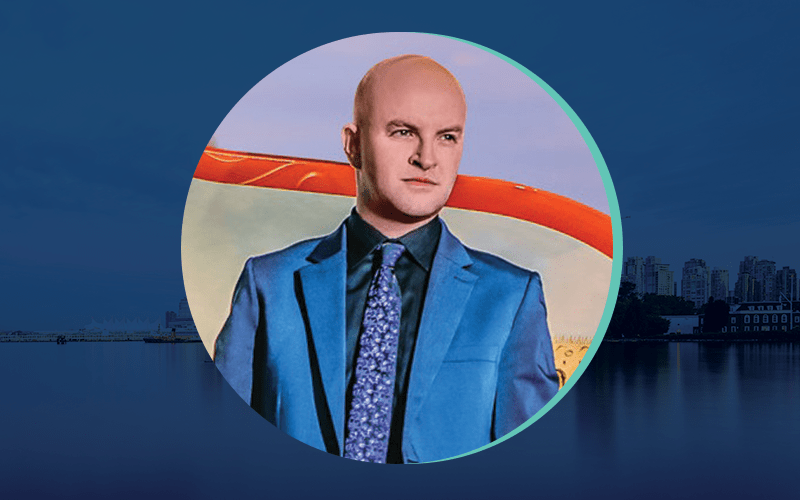
Martin Mayer “Canada’s Prince of Piano”
Episode
“Canada’s Prince of Piano” – that’s how the Beijing Times, China’s leading English-language newspaper, described Canadian pianist and composer Martin...
Key takeaways
- Taking bold risks is essential for turning artistic passion into a viable business career, even if it means investing significant resources without guaranteed returns.
- There is no magic formula for success in the creative industry—it requires grit, hard work, consistent effort, and putting in the time to build your reputation.
- Your reputation is everything in business, especially when your personal name is tied to your brand, so maintaining integrity and business ethics should always be first and foremost.
- Technology and streaming platforms have dramatically lowered barriers to entry for musicians, allowing artists to reach global audiences without traditional distributors and retain much more of their revenue.
- Being your own biggest champion is critical because no manager, agent, or supporter will advocate for you as strongly as you can advocate for yourself.
Transcript
Full transcript page · Interactive episode
============================================================
TRANSCRIPTION WITH SPEAKERS
============================================================

[00:00] SPEAKER_00: It's VanCouver's podcast on the Canada's podcast network.
[00:05] SPEAKER_00: Hello everyone, I'm Angela Faye, Hub Builder and Co-host of British Columbia's Podcasts.
[00:12] SPEAKER_00: Part of the Canada's podcast network, your source for great insights from entrepreneurs
[00:17] SPEAKER_00: from across Canada.
[00:19] SPEAKER_00: We talked entrepreneurs who are making it happen here so you can listen, discover and engage.
[00:24] SPEAKER_00: Today I am super excited to have Martin Mayor with me who is the Prince of Piano, Canada's
[00:32] SPEAKER_00: Prince of Piano.
[00:33] SPEAKER_00: I need to tell you a little bit about Martin and then we'll jump into his story.
[00:38] SPEAKER_00: Canada's Prince of Piano is how the Beijing Times describes Martin and his music has been
[00:45] SPEAKER_00: defined as instrumental fusion, a combination of smooth jazz, classical pop and rock.
[00:51] SPEAKER_00: He has European roots and a good share of thoughtful and longing soul with the North American
[00:56] SPEAKER_00: education and of course a healthy dose of high-octering energy.
[01:00] SPEAKER_00: I've had the privilege of already talking to Martin a little bit so I'm super excited to talk
[01:04] SPEAKER_00: to Martin in particular as a creative entrepreneur here in Canada.
[01:09] SPEAKER_00: So first of all welcome Martin.
[01:11] SPEAKER_01: Thank you, thank you for having me and that's about the introduction.
[01:13] SPEAKER_01: Maybe I could argue as my publicist.
[01:16] SPEAKER_00: Well it's telling me a little bit about your entrepreneurial journey from education to how you
[01:21] SPEAKER_00: got to be a professional.
[01:23] SPEAKER_01: Sure so that's a great question.
[01:24] SPEAKER_01: So I started piano late.
[01:26] SPEAKER_01: I started when I was 11 years old.
[01:28] SPEAKER_01: I fell in love with music that was being played by my elementary school music teacher
[01:34] SPEAKER_01: in choir class and I was just listening to the piano and sort of listening to the sounds that
[01:40] SPEAKER_01: were coming out of this instrument and watching her hands do this sort of magic across the keys.
[01:44] SPEAKER_01: And completely fell in love with it.
[01:47] SPEAKER_01: My parents bought me my first piano.
[01:49] SPEAKER_01: Signed me up for World Conservatory of Music.
[01:52] SPEAKER_01: My piano teacher sort of pushed me through various levels.
[01:55] SPEAKER_01: She had me do four grades in one year which to me kind of like okay you know if
[02:01] SPEAKER_01: if you have the drive and you know you can do that then then why not.
[02:06] SPEAKER_01: So so that was exciting.
[02:08] SPEAKER_01: And so as I was studying classical music I appreciated the technique and everything that I was learning.
[02:14] SPEAKER_01: But classical music wasn't for me.
[02:16] SPEAKER_01: I never saw myself as a classical concert pianist.
[02:19] SPEAKER_01: So somewhere along the way I started listening to Elton John, Yani, John Tash, John Williams,
[02:25] SPEAKER_01: David Foster and really sort of fell in love with this as you as it's called instrumental fusion
[02:32] SPEAKER_01: back in the 90s it was it was called new age.
[02:35] SPEAKER_01: I'm totally dating myself now.
[02:37] SPEAKER_01: I remember the days before the internet was around and social media and all this sort of thing.
[02:42] SPEAKER_00: And so David Foster so you know we're already we're already in there.
[02:45] SPEAKER_01: So what happened with that is that I started writing this this type of music.
[02:52] SPEAKER_01: And when I was in high school I was actually looking to get into journalism.
[02:57] SPEAKER_01: That was somehow there was a there was a shift at some point where I said I want to be a news anchor.
[03:03] SPEAKER_01: I want to be what the people at Global National are doing now or you know the the person that sort of
[03:08] SPEAKER_01: delivers delivers the news.
[03:10] SPEAKER_01: And I think that sort of came through from from my mom's journalism background.
[03:14] SPEAKER_01: My dad's background whereas as a famous singer in the Czech Republic, his father was an
[03:20] SPEAKER_01: organist in the church and his mom my grandmother taught violin.
[03:24] SPEAKER_01: So the music side is definitely stronger on our family but somehow I gravitated towards journalism.
[03:31] SPEAKER_01: So in high school I first got bitten by composition when CBC came to film a commercial.
[03:38] SPEAKER_01: At our local high school and I don't know why but I sort of had this idea of saying to them you know
[03:43] SPEAKER_01: do you have anybody to write music for this and they said well no we normally just news you know
[03:49] SPEAKER_01: a sort of can't can't stock music.
[03:52] SPEAKER_01: And so that was my first foray into writing something that that actually got on the air.
[03:57] SPEAKER_01: From there I read in a magazine that if you were waiting for record companies to discover you
[04:02] SPEAKER_01: on the couch you're going to be waiting a long time.
[04:04] SPEAKER_01: So I jumped at the end to say you know I need I need to do something that is going to get
[04:11] SPEAKER_01: people's attention to acknowledge me as a as a serious musician.
[04:15] SPEAKER_01: Took out a $35,000 loan at age 19 hired an orchestra, a band, a venue,
[04:22] SPEAKER_01: film crew, live recording. I know right it's just like go big or go home.
[04:26] SPEAKER_01: Did this debut concert threw it up on my website and within a year I got an email from an
[04:32] SPEAKER_01: arts agency in China inviting me on a six week 16 city national concert too.
[04:38] SPEAKER_01: So that's that's sort of my entrepreneurial journey from from studying to that that first tour and
[04:43] SPEAKER_01: I'd never been on tour. I'd done you know the solo concert. I'd played in my dad's dance band
[04:50] SPEAKER_01: since I was 14 and so that gave me stage presence and being able to talk to people and
[04:57] SPEAKER_00: sort of engage that way but I've got to ask who loaned you $35,000 when you were at it?
[05:03] SPEAKER_01: Do a concert. It's it's a wonderful financial institution and Alberta by the name of ATB Financial.
[05:10] SPEAKER_01: I know ATB good old Alberta Treasury branch. ATB was fantastic. They said we can loan you the money
[05:17] SPEAKER_01: but you need a co-sign and so mom was mom was great in saying you know I'll co-sign the loan and
[05:24] SPEAKER_01: I had no idea I was going to pay back. I had no idea where the record was going to sell whether
[05:29] SPEAKER_01: the video was going to do anything but I had seen you know Yani do live with a cropless. I'd
[05:35] SPEAKER_01: seen John Tesh do live with Red Rocks. You know those guys have major power sort of behind them
[05:41] SPEAKER_01: you know John Tesh was known for years on entertainment tonight and Yani was known very much in
[05:48] SPEAKER_01: new age circles and people were adopting the music that way but I didn't have the budget to do
[05:52] SPEAKER_01: that type of thing but I knew that I needed to do something so I did what was sort of within my scope
[05:58] SPEAKER_00: and then it just it just went and what platform did you put your concert on YouTube or what
[06:06] SPEAKER_00: on my website martinmayer.com okay so you had the website put the recording online and said let's
[06:13] SPEAKER_00: something's going to stick here you just had the wherewithal and the confidence to believe something
[06:17] SPEAKER_01: is going to stick. Something was going to happen and what ended up showing up was this email that's
[06:24] SPEAKER_01: sort of red and I still have it to this day because it's the it's the it's the one email that
[06:30] SPEAKER_01: really changed my life you know you look at all the emails that we get today and that one really
[06:36] SPEAKER_01: read like one of those dear beneficiary types you know there's like we are this beautiful arts
[06:42] SPEAKER_01: and agency from from China in in this area and we'd like to invite you on on this tour and I
[06:48] SPEAKER_01: forwarded to my manager at the time and I said what do you think of this he said well what's the
[06:52] SPEAKER_01: worst that we can happen we respond they respond we go back and forth and what ended up happening is
[06:58] SPEAKER_01: that we went back and forth a couple of times it turned out that it was a legitimate company they
[07:03] SPEAKER_01: flew to Canada to see a concert here and then sent airplane tickets after the contract and so
[07:10] SPEAKER_00: yeah that's just sort of how that journey went. Now you also mentioned a manager so what you know it
[07:17] SPEAKER_00: I mean that I think one of the things that defines you know an entrepreneur versus
[07:23] SPEAKER_00: an amateur maybe is taking that risk I mean that's such a I love that story that taking
[07:28] SPEAKER_00: getting that long way have no idea how you're going to hate off usually backed up my friends and
[07:34] SPEAKER_00: family in the first first. No need to go go right. But you know then you get to the next level
[07:39] SPEAKER_00: now you're having to hire a manager or co-produce with the manager how do you get to that next level
[07:47] SPEAKER_00: how did you get from to that next level of having crew and ongoing performances?
[07:53] SPEAKER_01: Yeah so that's a good question I think around the time that I put together that concert I was reading
[08:00] SPEAKER_01: I think it was Music Director Canada it was a book that was published I went from I forget the
[08:05] SPEAKER_01: name of the publisher but it was sort of this directory of the who's who in in the entertainment
[08:11] SPEAKER_01: agency in in Canada. Bruce Allen you know I've felt an agency and and I stumbled across a manager
[08:19] SPEAKER_01: in Edmonton where I was living at the time I only moved to to BC in 2014 you know I had done
[08:27] SPEAKER_01: this concert and I figured that I needed to have somebody that was going to back me as much as I
[08:33] SPEAKER_01: was going to back myself and so I reached out to this guy and I said you know this is what I'm doing
[08:37] SPEAKER_01: this is what I've done and between the concert and the tour is sort of where where he and I met so
[08:45] SPEAKER_01: you know I didn't have a lot going on at the time except for just trying to push this record and
[08:50] SPEAKER_01: you know playing some of the local some of the local TV shows where you know they would have guests
[08:56] SPEAKER_01: on the morning show or on the late night entertainment show and so so that was sort of my
[09:01] SPEAKER_01: my way of of going about that I basically I basically still do to this day what I did back then
[09:07] SPEAKER_01: which is reach out to people that I feel will be great fit for what I'm doing and say hi this is
[09:14] SPEAKER_01: what I'm doing this is what you're doing that I find interesting I think there's a synergy in
[09:18] SPEAKER_01: terms of what we can do in terms of a you know multi beneficial relationship I'd like left to have
[09:24] SPEAKER_01: a conversation whether it's my video you know back in those days it was just you know you picked up
[09:30] SPEAKER_01: the phone and you went hi do you want a meter on another one of this none of this texting today so
[09:35] SPEAKER_00: that's how that happened okay well and I'm curious a little bit the business of I I understand
[09:41] SPEAKER_00: touring in concerts and you know there's and there's a business model in that what else does Martin
[09:46] SPEAKER_00: may or do what it what other work do you do that's a great question and I don't think about that too
[09:52] SPEAKER_01: much because I go okay this is all that I have to do today but one of the best ways that
[09:57] SPEAKER_01: somebody wants to describe what I do is that Martin understands both words of the word music
[10:04] SPEAKER_01: business so you've got there's the music and then there's there's the business side of it you know
[10:08] SPEAKER_01: when when people look at something like my most recent project was a 20 city concert tour of China
[10:14] SPEAKER_01: this past September that was a year's worth of work leading up to that great contracts you have
[10:22] SPEAKER_01: flights you have creating the program creating the video you know does the program structure
[10:29] SPEAKER_01: and how the program is created does it work for a concert hall as well as performing in a theater
[10:36] SPEAKER_01: when you think about talking to an audience when you ever show structured like that some of the
[10:40] SPEAKER_01: best stuff is ad-libbed but you have to have structure in terms of what you're going to talk about so
[10:44] SPEAKER_01: the show is really sort of formatted in a way so that you know it runs top to bottom but it has a
[10:50] SPEAKER_01: flow and a process and stories that tie the songs and why I selected the song or how this song
[10:57] SPEAKER_01: was written or why this song is important in the journey you know going all the way back to music
[11:02] SPEAKER_01: that I discovered in China on the first tour or the first song that I learned on piano that was
[11:09] SPEAKER_01: a pop song the first song that I got away from classical music so it's doing things like that it's
[11:14] SPEAKER_01: you know registering things for with so-can for performance royalties licensing you know the music
[11:22] SPEAKER_01: is a big part of it but you know even at the time when I parted ways with my manager I decided
[11:29] SPEAKER_01: that if I was ever going to have a manager again it would be a coal management or a coagent type
[11:34] SPEAKER_01: of scenario because I've been so entrenched and involved with my music since the beginning that
[11:41] SPEAKER_01: if somebody says to me you know what is the best approach in terms of what we need to do with
[11:46] SPEAKER_01: your music in terms of how it will work in this market or this market or that market most of the time
[11:52] SPEAKER_01: I'm I'm pretty good at you know saying to folks you know if you wanted to present my music in
[11:58] SPEAKER_01: the NIMO for example I would say that I would say probably the best one you would be the port
[12:07] SPEAKER_01: they would say okay so what's the marketing strategy and the the marketing strategy would be lined
[12:11] SPEAKER_01: out you know in a document that says this is the demographic these are the types of people that
[12:17] SPEAKER_01: have attended this show this is the type of market that you go after and then you tie in the
[12:23] SPEAKER_01: the Asian components so that because the piano is so revered in Asia in China and Asia piano is
[12:32] SPEAKER_01: like what guitar is in North America and so when people say okay so outside of the you know the
[12:39] SPEAKER_01: based demographic how do we expand it and make it interesting well the show is a combination of
[12:43] SPEAKER_01: original music world famous songs things like pirates of the Caribbean Titanic and whatnot
[12:48] SPEAKER_01: and popular Chinese folk songs and so people who have immigrated to Canada from China always
[12:56] SPEAKER_01: love hearing songs that they used to sing in school when they were younger familiar with their
[13:00] SPEAKER_01: they're familiar with and so laying all that stuff out when you take a show that let's say
[13:06] SPEAKER_01: would be presented in November you have to back up six months and there's all the preparation
[13:11] SPEAKER_01: and planning and all that sort of stuff and I always make myself available for venues that
[13:17] SPEAKER_01: that need marketing support or have questions or you know it's more than just here's the show you
[13:23] SPEAKER_01: do the work the the best synergy is one I can provide that that support to them well and I think
[13:28] SPEAKER_00: that's a bit of an evolution of sort of collaboration partnerships too the difference between
[13:33] SPEAKER_00: a hired manager you said and a co-producer is that how you define it I would say co-management or
[13:40] SPEAKER_00: co-agent yeah yeah and would that be somebody that follows Martin or is that somebody that would be
[13:46] SPEAKER_00: kind of community based like somebody in China somebody here somebody East Coast is you know
[13:51] SPEAKER_00: there's gonna be different needs and different cultures and scenarios that's a good question I
[13:56] SPEAKER_01: would say probably the best way to describe this that you know back then I had a manager that said
[14:01] SPEAKER_01: I think this is the best approach you know to this and and I sort of went okay you're the expert
[14:07] SPEAKER_01: I'm gonna trust you on that now it would be more of a conversation of like okay so this is the
[14:12] SPEAKER_01: opportunity how do how do we capitalize on various things and making sure that that it's a unified
[14:18] SPEAKER_01: decision and that it's a unified front because outside of myself and you know my loving family
[14:27] SPEAKER_01: nobody's gonna have my back as much as much as I would and I would be that to any entrepreneur the
[14:34] SPEAKER_01: biggest champion has to be you you're the you're the one that's gonna step in that ring and raise
[14:40] SPEAKER_01: your hand and say I'm a serious musician or I'm a serious business owner you know nobody's gonna
[14:45] SPEAKER_01: champion you as much as as you do so a lot of people say well a manager an agent can get you in a lot
[14:52] SPEAKER_01: of places yes they can the more that you ride together intend them the better and I think more
[14:59] SPEAKER_00: successfully you can get some. Couple of questions for you one how do you balance I think this is a
[15:06] SPEAKER_00: general question for a lot of creative entrepreneurs so people that are that maybe started with piano
[15:13] SPEAKER_00: or music or art and they pursued it as a passion something that they were driven and and
[15:20] SPEAKER_00: passionate about younger or as they mature and then they decide to make it a business you know I
[15:27] SPEAKER_00: I have a few creative entrepreneurs around us here at the Never Cup and their biggest fear is always
[15:33] SPEAKER_00: if I go out there and invest in the business of I'm gonna lose all the opportunity to do what I
[15:43] SPEAKER_01: balance that yourself. I think you have to take that risk I think in order to move forward with
[15:50] SPEAKER_01: anything that is beyond a passion you have to you have to innately be willing to step out and say
[15:58] SPEAKER_01: you know if somebody says we need you to play with the Vancouver Symphony tomorrow
[16:03] SPEAKER_01: the answer is yes and then grab how to do it you know one of I think one of the greatest things
[16:08] SPEAKER_01: that I heard recently was Renee Zellway you're coming into her sort of reboot of her career after
[16:15] SPEAKER_01: many years of being away and she said you know I I don't know how to act but I'm acting so that they
[16:22] SPEAKER_01: think that I know how to act in one of these days you know they're gonna fire me because I don't know
[16:26] SPEAKER_01: and I think that's just such a such a brilliant thing and I remember a local actress here that many
[16:34] SPEAKER_01: years ago was on the show on ABC called Once Upon a Time and she got approached to say you know
[16:40] SPEAKER_01: we needed to play a live role and you need to have this talent for and she said yeah I can do that
[16:45] SPEAKER_01: I have no clue how to do it but went and learned it and made that work so I would say the the
[16:53] SPEAKER_01: biggest thing if if somebody says you know how do you turn it from a passion into you know I don't
[16:57] SPEAKER_01: I don't want to take the risk life in general is risk you know I think we sort of seen that in
[17:05] SPEAKER_01: in recent times but more so from an entrepreneurial and an artistic sense you have to put it in you
[17:13] SPEAKER_01: have to put in you have to put in that work somebody that I've admired for many years who just
[17:19] SPEAKER_01: signed with Bruce Allen and for those who aren't familiar Bruce Allen is manager to Anmari Brian
[17:26] SPEAKER_01: Adams Michael Bouble and Jan just signed with him a number of years ago she had decided long time
[17:32] SPEAKER_01: go that she was parting with her manager and decided that she was going to take things on on her own
[17:38] SPEAKER_01: and she had built it up to a level where I think if if I remember the story correctly it was Bruce
[17:43] SPEAKER_01: that had reached out to her and said I'd left work with you those types of things don't happen like
[17:48] SPEAKER_01: if I hadn't taken the risk on that part I might have still been playing with my dad's dance band
[17:52] SPEAKER_01: going to my 20s you know I went to McEun University to take you know two degrees one for
[18:00] SPEAKER_01: piano performance someone for composition I know people that there was a fantastic student
[18:06] SPEAKER_01: in with my piano teacher who was brilliant at classical music and was amazing and she had the
[18:11] SPEAKER_01: feel she had the touch she had the that sort of natural talent and when I was in Edmonton about
[18:18] SPEAKER_01: two years ago doing a whole coming concert I asked my piano teacher who was so sweet and showed
[18:22] SPEAKER_01: up with her family 94 years old and she's sitting front row right where she can watch me play and I
[18:27] SPEAKER_01: went I asked her so how is how is someone so doing she's like oh you know she got married and she
[18:34] SPEAKER_01: has kids and now she's a neurosurgeon or something like that and I asked just she still play
[18:40] SPEAKER_01: piano she's like no so it's you have to you have to take the risk you know business
[18:47] SPEAKER_01: art it can work together but it has to be together you can't have one without the other
[18:52] SPEAKER_00: that's super interesting so my next question is what is some of the unique considerations of
[18:59] SPEAKER_00: a an entrepreneur whose brand and business is intricately tied to a particular individual you
[19:08] SPEAKER_00: talk about anybody that I might know maybe right is you know it's always a risk versus you know
[19:16] SPEAKER_00: it can maybe a more consumer brand versus a merton mayor what what does a person need to consider as
[19:22] SPEAKER_00: their you know looking at the evolution of their their either personal brand as a business or a
[19:29] SPEAKER_00: different style as they launch into the entrepreneurial space I think that's a really great question
[19:36] SPEAKER_01: when when I ventured into music I knew that I needed to have something that not to not to fall
[19:43] SPEAKER_01: back on but I knew I needed to have something that while the music was was taking off that I would
[19:49] SPEAKER_01: be making an income with that through various things ended up being graphic and web design
[19:55] SPEAKER_01: it was in it was an industry that that changed a lot I had done a lot of custom web work custom
[20:01] SPEAKER_01: design work and I remember somebody asking me a couple of weeks ago saying you know you had all
[20:07] SPEAKER_01: these these contracts in place that you know outline this is the project this is the scope this
[20:12] SPEAKER_01: is the timeline and all this sort of stuff and you know you have proofs that you asked people to
[20:16] SPEAKER_01: sign off on so that they were sure that it was what they wanted why so meticulous why so detailed
[20:22] SPEAKER_01: oriented and I said pick up that business card in the corner what does it say it says Martin
[20:27] SPEAKER_01: Mayor Productions Inc. on it I said exactly if all of a sudden somebody around town is going oh well
[20:34] SPEAKER_01: you know that Martin Mayor guy escrewed me out of a payment or didn't deliver what I wanted
[20:41] SPEAKER_01: they're not just going to attack productions incoherent and say oh well it's a it's a separate entity
[20:46] SPEAKER_01: away from the person it's still my name attached to it that has to do with and this should be first
[20:54] SPEAKER_01: and foremost for any entrepreneur and any business is reputation is first and foremost you have
[21:01] SPEAKER_01: one chance to make an impression and your reputation you know is is everything beyond that I don't
[21:08] SPEAKER_01: have that changes for companies that have you know we're a proprietor or an owner has a different name
[21:17] SPEAKER_01: for the company than they do themselves you know for for me I don't think that that change but when
[21:23] SPEAKER_01: you look at something like that I think integrity and I think business ethics are key whether you're
[21:30] SPEAKER_01: using your name or something because you know if it's called I don't know a paint 24 it's still your
[21:38] SPEAKER_01: company yes you can you know wrap it up and start over but it's you know nothing nothing's going to
[21:47] SPEAKER_01: have the same type of integrity feel as putting your putting your name behind it what about you
[21:53] SPEAKER_00: know you have some revenue streams to hopefully guarantee in the future I'm thinking Tina Turner
[21:59] SPEAKER_00: ensuring her legs right is as as Martin ensured for his hands over and above what a standard
[22:07] SPEAKER_00: other person in business would what are what are what are some of those unique factors as a talent
[22:13] SPEAKER_01: specific yeah that's a that's a great question too the one thing that was really interesting about
[22:19] SPEAKER_01: this last tour is because of things that that changed along the way as I as I've been doing these
[22:25] SPEAKER_01: tours of the past 18 years is that they they progressively got they got bigger and they had
[22:31] SPEAKER_01: higher risks to them and they were they ended up being presented by sort of the live nation version
[22:37] SPEAKER_01: uh in in China the amount of insurance that I that I had to take out for this last tour was in one
[22:45] SPEAKER_01: way both comforting but also staggering to think about because you think about okay so there's
[22:51] SPEAKER_01: cancellation and non-appearance you know what happens if heaven forbid something happens and I have
[22:56] SPEAKER_01: to miss a concert because I'm in the hospital or something like that you have to consider the promoters
[23:02] SPEAKER_01: out money they have to refund tickets they have marketing costs that they have to absorb and all
[23:06] SPEAKER_01: that sort of stuff one small quick thing and and this is more so in in Canada than it is abroad but
[23:13] SPEAKER_01: in Canada if you're an incorporated company doesn't matter whether you're one person or 15 or a
[23:19] SPEAKER_01: sole proprietor there's two different levels of risk if I don't show up for a concert say at the
[23:25] SPEAKER_01: port theater which I would never do because if I don't show up and it's an incorporated company
[23:33] SPEAKER_01: the that particular state it can only go after what the company has or owns it can't take anything
[23:39] SPEAKER_01: that I personally on whereas a sole proprietor somebody that isn't incorporated anything and everything
[23:44] SPEAKER_01: is on the table do you remember back I think it was in the 90s or 2001 and Ron had a big scandal and
[23:51] SPEAKER_01: everything just kind of collapsed and disappeared and people were amazed about the fact that the
[23:56] SPEAKER_01: CEOs and executives of that company were able to keep those multi-million dollar mansions in Florida
[24:02] SPEAKER_01: and Ron owner individuals yeah individuals company completely separate if it was a sole proprietorship
[24:09] SPEAKER_01: anything and everything is is on the table so going over and above beyond yeah absolutely there's
[24:17] SPEAKER_01: a cancellation and non-appearance you know and that also covers me where you know if if something
[24:23] SPEAKER_01: gets canceled because a forced misdemeanor or an active government you know if it's a concert within
[24:28] SPEAKER_01: a stretch of a week well that sort of falls into the fee that I charge and so if it if it's something
[24:36] SPEAKER_01: that is covered by by the insurance then absolutely Tina Turner entering her legs for you know
[24:44] SPEAKER_01: whatever it is I think is is interesting if anything I in that scenario would be wanting to get
[24:50] SPEAKER_01: you know vocal cord insurance if there is such a thing I know I know there is you know hand
[24:56] SPEAKER_01: insurance for for pianists I know that but and it's one of those things that you know if if it is
[25:04] SPEAKER_01: your livelihood and if it is your if it is your craft then you know you should absolutely have
[25:10] SPEAKER_01: it insurance it's not different than business insurance right let's just talk a little bit about
[25:15] SPEAKER_00: where you live now we're across the pond from each other so you're in Vancouver at the moment
[25:19] SPEAKER_00: is there anything distinctive about Vancouver that stands out for you as is why you love living there
[25:26] SPEAKER_01: I would say when the the first time that I visited here was in 2000 and I fell in love with the
[25:30] SPEAKER_01: energy of the city there is something innately sort of walking around and feeling that that sort of
[25:37] SPEAKER_01: buzz of energy that that the city sort of exudes that I haven't really found anywhere now this is
[25:44] SPEAKER_01: coming from somebody that that was born in Prague and moved to Canada in 1989 and my parents settled
[25:50] SPEAKER_01: on Edmonton and I was there for for 15 years as as I like to say 15 years too long in minus 31
[25:57] SPEAKER_01: degree temperatures were you know it's just like careful I have a fellow podcast votes in Edmonton
[26:03] SPEAKER_01: oh no there's nothing wrong with Edmonton I I love it the the biggest thing that I found as a
[26:08] SPEAKER_01: challenge as a pianist was was the fact that minus 31 going to school gloves or not you know
[26:14] SPEAKER_01: coming back and then having to practice for an hour it was challenging but shout outs to Edmonton
[26:20] SPEAKER_01: and Calgary great cities Vancouver there's something about like I said the the energy but it's also
[26:28] SPEAKER_01: the the inspiring aspect of being here and just having access to the water and having access to
[26:35] SPEAKER_01: you know the mountains and and being able to to get away from the city and and make it a quick
[26:41] SPEAKER_01: chance to to Whistler or I would inherit some lake there's a number of lakes around Vancouver
[26:47] SPEAKER_01: Sassamad is one of my favorites just just over in Port Moody it's just such a great place to live and
[26:53] SPEAKER_01: I can't see myself living anywhere else at this point maybe in Europe and I would say probably
[26:59] SPEAKER_01: that because you know my style of music is is more popular in Asia and in Europe.
[27:06] SPEAKER_00: When we talked a little bit on a on a side conversation at least you engage in the conversation
[27:11] SPEAKER_00: about the Canadian music scene my frustration whether there was a there was a you know thank you
[27:16] SPEAKER_00: Breiland talent you know who's already got online some notoriety but you know in order to make it
[27:22] SPEAKER_00: big of course headed down to the States. Yeah I know where you're going with this. So my question is
[27:28] SPEAKER_00: why do we and part of its culture for us you know we're not showbokes in Canada you know we're kind
[27:33] SPEAKER_00: of the make a lot of stuff happen but we don't necessarily need the big show but what do you think
[27:41] SPEAKER_00: is the gap in the Canadian industry or what should we be looking forward to in order to attract and
[27:48] SPEAKER_00: retain our talent here and make music a viable profession without having to export our talent.
[27:56] SPEAKER_01: I honestly if I'm if I'm being completely serious I don't know that Canada is in a position to
[28:02] SPEAKER_01: make that happen and the reason for that is because we we don't we don't have the the market to
[28:09] SPEAKER_01: to sustain you know homegrown talent just within with in Canada. Sean Mendez was signed in the US
[28:17] SPEAKER_01: Justin Diver was signed in the US David Foster is known primarily as a producer and hit songwriter
[28:23] SPEAKER_01: to American artists and lives in Los Angeles you know there's this whole notion of you have to go
[28:29] SPEAKER_01: away and do it somewhere and come back and be recognized. I've been touring China off and on
[28:34] SPEAKER_01: over the past 18 years and I can have a successful concert being Canada that is being presented by
[28:41] SPEAKER_01: somebody and say to them yeah let's talk about you know doing a new version of the show and
[28:47] SPEAKER_01: presenting it to your stand of the line okay we'll think about it that's the sort of conversation.
[28:52] SPEAKER_01: I remember coming back a number of years ago and and I had applied to one of the Canadian music
[28:59] SPEAKER_01: conferences to showcase for presenters across Canada that could present this show while in a
[29:05] SPEAKER_01: smaller capacity because the the venues in China tend to range sort of between two to five thousand
[29:11] SPEAKER_01: people so it's a much larger sort of grander scale whereas the rooms that I might tend to play in
[29:17] SPEAKER_01: in Canada sort of hover between two to three hundred people. So I'd applied to this conference and
[29:23] SPEAKER_01: I'd sent them all my materials including all the tours and and things like that and and
[29:28] SPEAKER_01: information about shows being sold out and you know tickets sells and all that sort of stuff.
[29:32] SPEAKER_01: They wrote back and said we can't offer you a showcase spot but we still think that you should
[29:37] SPEAKER_01: attend the conference. So I wrote back and I said so I'm curious with everything that I've done what
[29:43] SPEAKER_01: is it that I can do you know better next time that's one thing that when you go back to talking about
[29:48] SPEAKER_01: risk if there's a risk you take and it doesn't work out you still take that as a learning experience
[29:54] SPEAKER_01: and go okay what have I learned from this that I can apply it to the future because whether it's
[29:59] SPEAKER_01: mistakes or failures or successes and triumphs all those things together still build that road and
[30:07] SPEAKER_01: path that that's you continue on. What they ended up saying was and I and I still find this
[30:12] SPEAKER_01: interesting the quote was our presenters wouldn't know what to do with you followed immediately by
[30:19] SPEAKER_01: saying but we still think that you should buy a booth at the trade show and meet these presenters
[30:24] SPEAKER_01: in person and and I thought to myself I mean one aspect that these people don't know what to do with
[30:31] SPEAKER_01: me even though I'm saying this is the marketing plan this is the strategy this is everything if you
[30:37] SPEAKER_01: take this and literally follow it step by step and ask me to to support you in you know presenting a
[30:44] SPEAKER_01: concert I will 100% take it on but at that point to say you know well you should totally get a booth
[30:52] SPEAKER_01: I knew that that was the thing of like well we don't know what to do with you but we'd still like
[30:57] SPEAKER_01: you to invest in our trade show. We at least buy a booth for $400 which to me is you know somebody
[31:05] SPEAKER_01: would say well would you take that risk and I said well it's it's I don't consider that a risk I
[31:09] SPEAKER_01: don't consider that a good use of time because if if the executive director of this conference
[31:17] SPEAKER_01: that has been running for many years is saying our presenters would know what to do with you
[31:22] SPEAKER_01: then then what am I doing there right I don't know that the Canadian music industry can do anything
[31:28] SPEAKER_01: that that would I mean we had Canadian idle and and I think this goes back to the the question that
[31:34] SPEAKER_01: you sort of post it on online that that's you take me and is all of these artists Celine Dion
[31:40] SPEAKER_01: went to the States Sarah McLaughlin Brian Adams you know the the Backstreet Boys got famous in
[31:47] SPEAKER_01: Germany first before they were recognized in the US there's there's all this sort of stuff and now
[31:52] SPEAKER_01: we're saying it's like oh well you know Michael J. Fox is one of our own I don't know that Michael
[31:57] SPEAKER_01: has lived in Canada you know most of his career there's there's Canadians that that do you know
[32:05] SPEAKER_01: exceptionally well that still live in Canada but not at the you know we had Canadian Idol in
[32:11] SPEAKER_01: a number of years ago can you name any of the people that either went on that show or won you know
[32:16] SPEAKER_01: you think about the number of seasons that have been around for American Idol Kelly Clarkson was
[32:20] SPEAKER_01: the first season winner you got Terry Underwood Jennifer Hudson did really well
[32:27] SPEAKER_01: Clay it can have a beautiful voice but basically disappeared and Ruben Stuttard who won that
[32:33] SPEAKER_01: contest I think put out one disc and and that was it Canada has a music industry where Jen Arden
[32:40] SPEAKER_01: a number of years ago released an album and in the first two weeks sold a million copies
[32:45] SPEAKER_01: and her record company deemed it a failure I think that pretty pretty much sums up sort of you
[32:51] SPEAKER_00: state of the country. How is technology and the internet of things disrupting the more
[33:00] SPEAKER_01: traditional career paths from your perspective? So I really love this question because I can't
[33:07] SPEAKER_01: go back to the day where it was you know if you have a CD and you want to get it into HMV you
[33:13] SPEAKER_01: have to go and use it distributed to be that and so the way that the model worked is that you know
[33:21] SPEAKER_01: first I think there there there aren't but here's what's interesting about that is that you know
[33:28] SPEAKER_01: back when I was buying John Tess and John Williams and Elton John Records you would go and
[33:33] SPEAKER_01: and you would get one of these CDs for $24 and because I looked into at the time that I did that
[33:39] SPEAKER_01: first concert I went to look and see how this would work that $24 disc gets sold to HMV
[33:47] SPEAKER_01: by the distributor at $12 the distributor buys it from the artist at $6 so on a $24 record the
[33:55] SPEAKER_01: artist is not making $6 fast forward now past all the stuff where Napster said you know we want
[34:02] SPEAKER_01: to create what everyone has now which is the iTunes store and the Google Play Store and Spotify
[34:07] SPEAKER_01: and Amazon all this sort of stuff the record company said no people are going to buy CDs and they
[34:11] SPEAKER_01: said well no we're going to disrupt it in such a way so that even at the time people were
[34:15] SPEAKER_01: pirating music that isn't the case anymore now you have independent artists have or you know
[34:23] SPEAKER_01: all the artists in the world that are musicians whether you are independent small label big label
[34:29] SPEAKER_01: have access to put their music on any of the streaming platforms apple iTunes Apple music YouTube
[34:34] SPEAKER_01: Spotify or anything like that nowadays it there's still distributors but they're called aggregators
[34:40] SPEAKER_01: and and the way that it works is that you can take you can take an album and you can go to a
[34:45] SPEAKER_01: distributor that'll say okay I'm going to charge you $40 a year to upload this to any of the
[34:50] SPEAKER_01: streaming platforms around the world and it costs you $40 and if I'm traveling to Japan somebody
[34:55] SPEAKER_01: says what I find your music you know it's it's iTunes Japan and there it is it's literally the
[35:01] SPEAKER_01: civil anywhere in the world back then it was you had if you wanted to be an 8-and-a-v you need to
[35:08] SPEAKER_01: produce 30,000 records that were shipped to the distributor that would provide it to HMV and HMV
[35:14] SPEAKER_01: would pay the distributor only when you would when you would make the sales and when they would
[35:20] SPEAKER_01: report the sales so on that $24 disc you would get $6 depending on which just aggregator you go with
[35:28] SPEAKER_01: it's $9.99 in the iTunes store you can get between $7.99 to $8.99 of that back to you
[35:37] SPEAKER_01: so in comparison when you know we go back to talking about risk you have 30,000 pieces of stock
[35:44] SPEAKER_01: that you have to provide $24 of which you're only getting six you know six bucks that's $180,000
[35:52] SPEAKER_01: you know that essentially and and 30,000 CDs was insanely expensive to to build now with
[36:01] SPEAKER_01: social media now with YouTube and Spotify and all this sort of stuff one of the things that I was
[36:06] SPEAKER_01: asking somebody the other day because even though I I don't work with a manager at at this time
[36:13] SPEAKER_01: I still like to reach out to people in the industry and say you know this is what's going on if I'm
[36:17] SPEAKER_01: if I'm going to this trade show or conference what is best to take you know is it is it an old-school
[36:23] SPEAKER_01: CD is it a download card is a USB key he said very simply business card you're named your contact
[36:29] SPEAKER_01: information and a QR code that somebody can scan that takes you to either your website or Spotify
[36:36] SPEAKER_01: that's it because you're easy to find yeah easy to find all the web you're easy to find on social media
[36:41] SPEAKER_01: you're easy to find the easier it is for somebody to find you the more likely they're they're going
[36:48] SPEAKER_00: to be able to discover your music so clearly there's almost no barrier to entry right to start
[36:55] SPEAKER_00: putting yourself out there as a creative but how do you cut through is there magic formula from
[37:01] SPEAKER_00: Martin's perspective on how to cut through the internet of things to get a big enough audience
[37:07] SPEAKER_00: to be able to have this as a as a professional career magic formula is best answered by
[37:14] SPEAKER_01: an idol of mine that really was paramount to me getting into this this level of music and that
[37:24] SPEAKER_01: gentleman's name is John Teche after many years of watching his specials and listening to this
[37:31] SPEAKER_01: radio show and whatnot I finally have the chance to meet John in Seattle this past November
[37:36] SPEAKER_01: I remember going up to him at the end of the show and I said I'm just going to totally geek out
[37:40] SPEAKER_01: fanboy here I've been living for the last 25 years live at Red Rocks change my life as much as it
[37:47] SPEAKER_01: did yours because it gave me that push to say I want to take this risk and I want to do this and because
[37:52] SPEAKER_01: of that risk I've been touring you know China over the past 18 years and I have and I have you to
[37:58] SPEAKER_01: thank for that I was not expecting to get this big massive hug and an invitation for coffee the
[38:06] SPEAKER_01: next day and to play for him when you think about you know people that you that you admire and
[38:13] SPEAKER_01: that you aspire to be like this was probably the best ideal situation that that could happen we
[38:21] SPEAKER_01: had coffee I had a chance to play for him he offered me his personal umber to stay in touch and
[38:26] SPEAKER_01: you know we chat every now and then but his um his best answer to magic formula is there is no
[38:34] SPEAKER_01: magic formula it's grit it's hard work and putting in in the time and the biggest thing that I
[38:41] SPEAKER_01: that I say that I go back to is that if I look back and go and somebody said if you had to do it
[38:47] SPEAKER_01: all over again would you do that first concert I go yeah absolutely because you have to you have to
[38:53] SPEAKER_01: take that take that plunge take that risk right you know even somebody like like Tess who was hugely
[39:00] SPEAKER_01: known for entertainment tonight when he took the idea for lab at red rocks to PBS they said
[39:07] SPEAKER_01: it's not really our thing you don't have a following you know people watch you on ET you're doing
[39:11] SPEAKER_01: one show a year you're selling you know five records a week or something like that he ended up
[39:16] SPEAKER_01: spending one point two million dollars of his own money to produce it and send it to PBS with the
[39:23] SPEAKER_01: off chance that they might get when there's somebody that had a massive following you know 20 million
[39:29] SPEAKER_01: people who were watching entertainment tonight in in the 90s yeah um and so when when somebody like
[39:34] SPEAKER_01: that has to take that huge risk that speaks to to the rest of us to go there is no magic formula
[39:40] SPEAKER_01: you know when when I think about back on my days and graphic design and what people would say well
[39:45] SPEAKER_01: how do I get the number one ranking on google unless you have the domain for for the longest time
[39:52] SPEAKER_01: you're doing a search engine optimization you're creating new content all that sort of stuff
[39:57] SPEAKER_01: there is no magic formula and biggest key to warning is because the internet is now in such a way
[40:06] SPEAKER_01: that people can literally post anything that they want anyone that is promising you number one
[40:11] SPEAKER_01: on Spotify number one on iTunes or any sort of number one thing I would totally stay away from that
[40:18] SPEAKER_00: now if you do get an invitation for a concert tour in China at least read it twice because
[40:24] SPEAKER_01: yeah it might be legit but when I write a book in my life at some point I think the title will be
[40:30] SPEAKER_01: from basement piano to concert halls in China the one email that that's super cool
[40:36] SPEAKER_00: Martin I have to ask and you can say no but could you give us a one minute sort of experience with
[40:43] SPEAKER_01: Martin um I can and this is this is a very different experience that that you're having been
[40:50] SPEAKER_00: then you would have in in concert with me of course we'll do we'll we'll work on that in the future
[40:57] SPEAKER_01: or cedar I'm coming for you
[41:11] SPEAKER_01: you
[41:24] Speaker UNKNOWN: back
[41:48] SPEAKER_00: Thank you.
[41:50] SPEAKER_00: That was awesome.
[41:52] SPEAKER_00: Martin, it has been an absolute pleasure having you on
[41:54] SPEAKER_00: Canada's podcast.
[41:55] SPEAKER_00: Any last comments or how can we follow up with you?
[41:57] SPEAKER_00: I know we have Martin mayor music.com.
[42:00] SPEAKER_00: Is that your website?
[42:01] SPEAKER_01: That's correct.
[42:02] SPEAKER_01: No shameless plug, but this is my latest album called Unbreakable,
[42:06] SPEAKER_01: available on iTunes, Google Play, Spotify.
[42:10] SPEAKER_01: You can find me on Facebook.com,
[42:15] SPEAKER_01: forward slash I'm Martin mayor, same thing with Instagram.
[42:19] SPEAKER_01: I am available by email if entrepreneurs and what not
[42:23] SPEAKER_01: would like to reach out.
[42:26] SPEAKER_01: The biggest thing that I found is that there were a lot of
[42:28] SPEAKER_01: people that were supporting me when I was getting started,
[42:32] SPEAKER_01: whether it was answering my questions and to this day that
[42:34] SPEAKER_01: still happens, I still reach out to people.
[42:37] SPEAKER_01: If folks have questions about entrepreneurial stuff,
[42:42] SPEAKER_01: I'm certainly happy to answer that by email.
[42:47] SPEAKER_01: The biggest piece of advice that I have for anybody that is
[42:50] SPEAKER_01: an entrepreneur, take the risk, you will be glad that you did
[42:54] SPEAKER_01: because at the end of the day when everything is said and done,
[42:57] SPEAKER_01: you will have known that you led a rich life that gave you
[43:02] SPEAKER_01: opportunities by taking that chance.
[43:04] Speaker UNKNOWN: Thanks, Martin.
[43:05] SPEAKER_01: Thank you, Angie. It's pleasure.
[43:07] SPEAKER_00: Thanks for taking the time today to listen to British Columbia's
[43:11] SPEAKER_00: podcast on the Canada's podcast network.
[43:14] SPEAKER_00: We hope you enjoyed the show today.
[43:15] SPEAKER_00: Make sure you sign up for our newsletters and write a review for us
[43:18] SPEAKER_00: on iTunes.
[43:20] SPEAKER_00: Connect with us on Twitter, Facebook, Instagram, LinkedIn,
[43:24] SPEAKER_00: or at Canada'spodcast.com.
[43:26] SPEAKER_00: You can check out what other entrepreneurs are doing across the country.
[43:30] SPEAKER_00: I'm Angela Fei. See you next time.