
Leor Rotchild is Aggregating Canada’s Business Sustainability Heroes Into a Powerhouse for Good, from Pipelines to Turbines
Episode
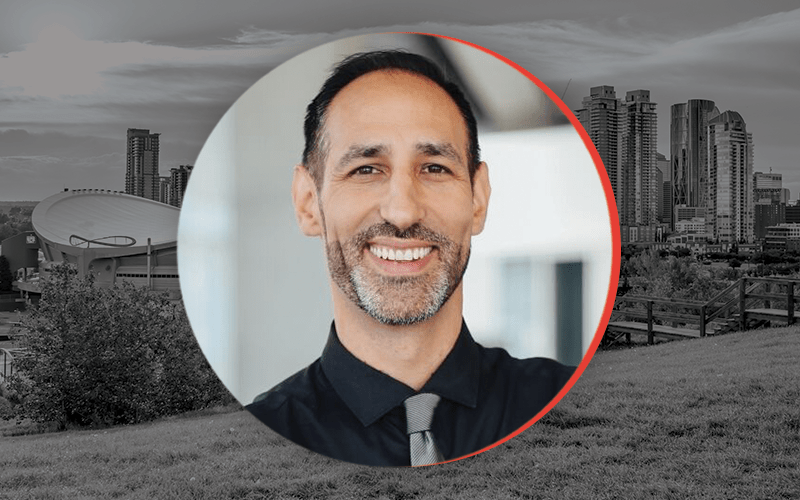
Leor Rotchild is the Calgary-based Executive Director of Canadian Business for Social Responsibility (CBSR), where he champions responsible Canadian business as...
Key takeaways
- Canada has a unique opportunity to position itself as a global sustainability leader in three key sectors: finance, agriculture and food, and energy through an all-of-the-above approach rather than choosing one over another.
- Businesses that align their purpose, products, culture, and stakeholder relationships around sustainability goals don't just do good—they position themselves for long-term financial success and competitive advantage in the new net zero race.
- Supply chain and procurement decisions represent powerful opportunities to vote with dollars by prioritizing local suppliers, low-carbon solutions, and indigenous-owned businesses rather than simply choosing the lowest-cost provider.
- Reforming the quarterly reporting mindset to focus on longer-term value creation, as companies like Unilever have done, allows businesses to pursue meaningful sustainability goals that deliver real economic returns over time.
- Collaboration across industries and even among competitors is a distinctly Canadian strength that can be leveraged to solve grand challenges, particularly climate-related issues where Canada has significant clean tech assets and innovation capacity.
Transcript
Full transcript page · Interactive episode
============================================================
TRANSCRIPTION WITH SPEAKERS
============================================================

[00:00] SPEAKER_00: Welcome to Canada's podcast, the number one podcast for entrepreneurs by
[00:06] SPEAKER_00: entrepreneurs. Hi, this is Angela Faye from Canada's podcast. One of the exciting
[00:12] SPEAKER_00: things about being a host for Canada's podcast is making new discoveries
[00:16] SPEAKER_00: every day about how Canadian business decision makers and entrepreneurs are
[00:20] SPEAKER_00: forced for good in their communities nationally, regionally or locally or in a
[00:26] SPEAKER_00: specific sector or interest group. Today, the story actually started. I was
[00:32] SPEAKER_00: inspired by an iconic Canadian company, Maple Leaf Foods. They had an ambition
[00:36] SPEAKER_00: to become the most sustainable protein company on earth. That's a pretty big,
[00:43] SPEAKER_00: that's a pretty big notch on the wall. And so as I dug deeper, I discovered that
[00:48] SPEAKER_00: Maple Leaf Foods was a corporate member of Canadian Business Social
[00:52] SPEAKER_00: Responsibility, a professional association for Canadian companies,
[00:56] SPEAKER_00: campaigning business as a force for good. But I've never heard of CBR and they've
[01:03] SPEAKER_00: been around for a long time. 25 years ago, CBR helped introduce Canadian
[01:09] SPEAKER_00: businesses to a then groundbreaking idea that's now widely accepted as a
[01:14] SPEAKER_00: compelling truth. That businesses do better by every measure when they are
[01:19] SPEAKER_00: operating in a socially and environmentally responsible way. And as I
[01:24] SPEAKER_00: learned more about CBSR, I also discovered they ran and invested in a
[01:31] SPEAKER_00: campaign last year in some research called Doing Business Like a Canadian. And I
[01:36] SPEAKER_00: thought it was important for me to be aware and to share with you their
[01:39] SPEAKER_00: findings. So we have a greater sense of belonging and pride and what sets
[01:44] SPEAKER_00: Canadians apart in how we do business. And so I dug in. And part of that journey
[01:50] SPEAKER_00: was meeting Leor. Leor is an entrepreneur and happens to be in the executive
[01:55] SPEAKER_00: director role at CBSR. There's a lot going on for Leor and for CBSR. So I'm
[02:01] SPEAKER_00: excited to have him here today with us. Leor, please introduce yourself.
[02:07] SPEAKER_01: Thank you Angela. And I'm really excited too. This is so such a wonderful
[02:12] SPEAKER_01: platform that you've developed here. And I'm also learning about you and
[02:20] SPEAKER_01: Canada podcasts. And I've been listening to some of your past episodes in
[02:25] SPEAKER_01: particular, the one that you did with Maple Leaf Foods. So I was really pleased
[02:29] SPEAKER_01: to hear that. But really great to speak with you and and address your audience
[02:35] SPEAKER_01: today and happy to tell you about CBSR and and entrepreneur stories and
[02:43] SPEAKER_01: anything that you're interested in chatting about today. Well, I want to start
[02:47] SPEAKER_00: with you though. So tell me a little bit about your entrepreneurial journey.
[02:52] SPEAKER_00: Because you know, you've typically come from or a typically come from oil and
[02:56] SPEAKER_00: gas and yet are our sustainability leader. So let's just talk a little bit about
[03:00] SPEAKER_01: your journey a little bit. Sure. Well, yeah, maybe that maybe that sounds
[03:04] SPEAKER_01: a typical. If you go a little bit further back beyond that, I actually started
[03:08] SPEAKER_01: my career in international development. So I was always really interested in
[03:12] SPEAKER_01: this idea of how how do you marry business principles, the idea of moving
[03:18] SPEAKER_01: markets and and and resources towards the area. The areas most in need, whether
[03:31] SPEAKER_01: my time in the only gas sector was an amazing opportunity to work on some of
[03:36] SPEAKER_01: the issues I was most passionate about including water and greenhouse gas
[03:42] SPEAKER_01: missions issues as well as community and indigenous issues. And I got
[03:49] SPEAKER_01: experience doing community relations, ESG reporting or environment social
[03:54] SPEAKER_01: governance reporting as well as policy development for for two of Canada's
[04:01] SPEAKER_01: largest oil companies. And I took that experience and turned it into an
[04:09] SPEAKER_01: opportunity to launch essentially two organizations. One was a social
[04:15] SPEAKER_01: enterprise that really focused on zero waste events that major festivals and
[04:20] SPEAKER_01: sporting events really incredible experience, but huge learning curve that I
[04:27] SPEAKER_01: still feel like I've got some some great war stories to share. But the other
[04:34] SPEAKER_01: organization that I helped create was essentially a consulting organization
[04:38] SPEAKER_01: where I had a chance to work on some really incredible projects including
[04:42] SPEAKER_01: energy transition initiatives and things that I've been really passionate
[04:48] SPEAKER_01: about and developing a bit of a repertoire for different sustainability
[04:52] SPEAKER_01: issues that I've had a chance to work on over the last few years. And how did
[04:57] SPEAKER_01: you land here with CBS R? CBS R was sort of a gift that kind of came from
[05:06] SPEAKER_01: nowhere. I have spent a lot of my time being between two cities, both Calgary
[05:13] SPEAKER_01: where I've spent a lot of time over the last 17 years and Toronto which is
[05:19] SPEAKER_01: actually my hometown and my partner and I were living there while she was
[05:25] SPEAKER_01: doing her master's degree and I was spending my time in Toronto but doing most
[05:32] SPEAKER_01: of my consulting in Calgary and so I was looking for some more consulting work
[05:37] SPEAKER_01: in Toronto when CBS R the executive director of CBS R at the time was
[05:46] SPEAKER_01: actually on his way out and said hey you'd be a really great successor here
[05:49] SPEAKER_01: based on all of your experiences and I took that as an opportunity to really
[05:56] SPEAKER_01: reach out to my kind of sustainability heroes across the country and I said
[06:01] SPEAKER_01: do you think that there's still a need for an organization like this?
[06:05] SPEAKER_01: Great question, great question. And people said more than everly or and I think
[06:11] SPEAKER_01: you do a great job at it and I said you know I'll do it if you would work with
[06:17] SPEAKER_01: me and so it was actually a great recruitment tool to have an opportunity to
[06:22] SPEAKER_01: work with all these people that I've been influenced by and I've had a
[06:26] SPEAKER_01: chance to stand on their shoulders and my learning about a number of really
[06:30] SPEAKER_01: complex and important issues that I feel like now are really coming to a
[06:35] SPEAKER_01: head it seems like so many of the issues that were kind of under the radar that
[06:39] SPEAKER_01: was like a sort of an exercise and awareness building and change management have
[06:44] SPEAKER_01: now become strategic issues that virtually any company would be one either leaving
[06:51] SPEAKER_01: money on the table by not addressing or two facing incredible risks as we
[06:56] SPEAKER_01: move forward towards a more inclusive more resilient and more sustainable
[07:02] SPEAKER_00: economy for Canada and beyond. So you've rallied some sustainability heroes and
[07:10] SPEAKER_00: do your belt right now and you guys are doing great work can you tell me a
[07:14] SPEAKER_00: little bit about you know which is partially why I was curious about CBSR
[07:18] SPEAKER_00: about doing business like a Canadian is there some findings in that research
[07:23] SPEAKER_00: that you guys did that that actually set us apart as Canadians what did you
[07:30] SPEAKER_01: discover? Yes the short answer is absolutely but I I would say this you know so
[07:38] SPEAKER_01: 2019 was when we launched the do business like a Canadian campaign it ran for
[07:44] SPEAKER_01: four months we we continued to build on it even beyond that but that four-month
[07:51] SPEAKER_01: period where we were we were that four-month period where we were doing events
[07:57] SPEAKER_01: across the country and putting thought leadership pieces out in major newspapers
[08:02] SPEAKER_01: like the Globe Mail and engaging people on social media in this idea of do we
[08:08] SPEAKER_01: need a set and are do we need to articulate a set of Canadian business values
[08:13] SPEAKER_01: that really encompass and guide how we are going to do business as a Canadian
[08:19] SPEAKER_01: community and what we found was that it was kind of like a moment in time Canada
[08:26] SPEAKER_01: is this really unique place because it's constantly changing and I think that
[08:31] SPEAKER_01: it is a good exercise to continuously do something like that because I think it
[08:36] SPEAKER_01: would probably be a different outcome if you were to do that now especially
[08:40] SPEAKER_01: because this year has been such a crazy disruption right but in addition to
[08:46] SPEAKER_01: that I think Canada is a country that is constantly evolving and it's
[08:49] SPEAKER_01: evolving not through significant conflict although there are conflicts that
[08:55] SPEAKER_01: exist in Canada but it's evolving through a continuous conversation that
[09:00] SPEAKER_01: Canadians are having about the way that we want to treat each other the way
[09:04] SPEAKER_01: that we want to treat our environment and the role that we want to have in the
[09:08] SPEAKER_01: world and these are really important conversations and so some of the things
[09:13] SPEAKER_01: that we found was that there is a bit more cynicism today or at least at least
[09:21] SPEAKER_01: when we conducted the major part of this study then there has been in the
[09:25] SPEAKER_01: past around Canada's perceived role in the world and our reputation in the
[09:31] SPEAKER_01: world we're pretty hard on ourselves at times and I know in the past we've
[09:36] SPEAKER_01: been very proud of the fact that we've had all these innovations that have gone
[09:40] SPEAKER_01: global that we were a country that invented peacekeeping but there are some
[09:45] SPEAKER_01: people that see Canada's role in the world as having been taken a step back in
[09:51] SPEAKER_01: recent years that we haven't been as active in some of the sort of global
[09:56] SPEAKER_01: institutions as we should be and and what I also learned is that when you do
[10:03] SPEAKER_01: anything nationally in Canada you want to be doing multi-regional kinds of
[10:08] SPEAKER_01: activities because Canada is so diverse from province to province and even
[10:13] SPEAKER_01: within provinces and of course we tried to do our very best to reach out to the
[10:19] SPEAKER_01: various indigenous communities that exist across this country also lots of
[10:26] SPEAKER_01: diversity from one indigenous community to another some that are actively
[10:31] SPEAKER_01: talking about playing a much bigger role in the growing economy saying things like
[10:37] SPEAKER_01: invest in us because we are a three trillion or yeah three trillion dollar
[10:45] SPEAKER_01: economy waiting to contribute to the fabric of the country while others are
[10:50] SPEAKER_01: saying no we want a completely different direction in terms of where this
[10:54] SPEAKER_01: country is headed so there's definitely some really important conversations to
[10:59] SPEAKER_01: be had there and I think Canada's really only at the very beginning of this
[11:03] SPEAKER_01: whole truth and reconciliation process which in many ways starts with an
[11:07] SPEAKER_01: economic reconciliation there have been ways that we've left indigenous people
[11:12] SPEAKER_01: out of the economic growth that so many so much of the country is actually
[11:17] SPEAKER_01: experiencing the other interesting thing that happened was that there was a
[11:22] SPEAKER_01: there was a pipeline conflict going on when we were doing this and so the idea
[11:27] SPEAKER_01: of whether Canada should actually be producing fossil fuels that we then
[11:34] SPEAKER_01: send out to the coast of BC is a good idea for Canada so that was a hugely
[11:42] SPEAKER_01: debated topic while we were doing this there were tons of conversations both
[11:46] SPEAKER_01: pro and against and the other thing that I will say is that we we did float this
[11:52] SPEAKER_01: idea of a set of Canadian business values and I encourage people to visit
[11:56] SPEAKER_01: CBSR.ca to have a look at those I can go into more detail about them if you
[12:02] SPEAKER_01: like but let me just say the one value in particular I thought was really a
[12:07] SPEAKER_01: significant part of the conversation and it was around this idea of
[12:11] SPEAKER_01: collaboration the idea that there is an opportunity for people even within an
[12:17] SPEAKER_01: industry even people who are competitors but especially people who are
[12:21] SPEAKER_01: actually across different industries representing Canada in lots of
[12:27] SPEAKER_01: different ways through finance through agriculture through energy to find
[12:31] SPEAKER_01: common ground and work together to solve grand challenges in that Canada actually
[12:37] SPEAKER_01: does have some assets that make this possible there are some great examples to
[12:43] SPEAKER_01: draw from and when it comes to solving in particular some of the climate related
[12:49] SPEAKER_01: issues Canada has a lot of tools and it's arsenal including a bursting clean
[12:55] SPEAKER_01: tech sector that is totally punching above its way and so going back to if
[13:01] SPEAKER_00: historically we were kind of globally positioned as the peacekeeping nation
[13:07] SPEAKER_00: what do you think is there anything that we could sort of label as our next would
[13:12] SPEAKER_00: it be clean tech or would it was there any findings that kind of said Canada
[13:16] SPEAKER_00: will be maybe the collaboration experts or how do you how do you think we
[13:23] SPEAKER_01: position yeah so there's there's so much to say about that because I I'm very
[13:30] SPEAKER_01: excited about Canada's future I think that I'm I'm joining you from Calgary
[13:36] SPEAKER_01: Alberta I'm actually despite some of what you might hear in the mainstream news
[13:42] SPEAKER_01: about how the Alberta economy is bearing I'm actually very excited about the
[13:47] SPEAKER_01: future this province in particular partly because there's an opportunity to
[13:51] SPEAKER_01: reinvent to build new and to really incorporate a lot of new generation
[14:01] SPEAKER_01: thinking into what comes next there is no industry in Canada that is not
[14:06] SPEAKER_01: being disrupted and so you could either be a victim to that change or you could
[14:12] SPEAKER_01: drive the change and create a new future and three things in particular that
[14:18] SPEAKER_01: came out of that particular do business like Canadian campaign or initiative
[14:22] SPEAKER_01: that we led was that in particular in finance in agriculture and food in
[14:30] SPEAKER_01: Canada and in the energy sector there are huge opportunities to position
[14:35] SPEAKER_01: Canada as a world leader as a sustainability leader and as a global champion
[14:43] SPEAKER_01: for what happens next in these sectors and and those three in particular I'd be
[14:50] SPEAKER_01: happy to double click on sort of any of those because within those there are
[14:55] SPEAKER_01: huge opportunities whether it's about monetizing different opportunities to to
[15:01] SPEAKER_01: capture and reduce carbon or whether it's incorporating new technology or
[15:07] SPEAKER_01: really sort of doing an above like instead of either or approach to energy
[15:13] SPEAKER_01: doing sort of all the above kind of approach to say Canada could be and really
[15:19] SPEAKER_01: has all the ingredients to be an energy superpower not just in fossil fuels
[15:24] SPEAKER_00: but in energy of all kinds well we're gonna come come back to that a little bit
[15:29] SPEAKER_00: on your personal goals of helping accelerate that yes and notion as opposed to
[15:36] SPEAKER_00: you know the polarization of one or the other but I was just want to talk
[15:41] SPEAKER_00: you you mentioned about you know Canada leading and you know I started this
[15:47] SPEAKER_00: story with Maple Leaf Foods having this grand ambition to be you know the
[15:53] SPEAKER_00: protein iconic protein company of the world I mean that's a pretty big
[15:58] SPEAKER_00: statement let's talk can we can you highlight any other your other corporate
[16:02] SPEAKER_00: members and share a little bit of insider stories that have big ideas of
[16:07] SPEAKER_01: of being on the world stage yeah happy to do that you did mention the Maple Leaf
[16:14] SPEAKER_01: Foods so I won't give an example that I definitely encourage your listeners to
[16:18] SPEAKER_01: to go to go back into your archive and check out and interview that you did
[16:23] SPEAKER_01: Maple Leaf Foods Tim Favry there who's just terrific I I've actually done
[16:29] SPEAKER_01: interview with him recently too we can talk about my podcast later if we get
[16:34] SPEAKER_01: an opportunity but I will give another example of a company that we work
[16:38] SPEAKER_01: closely with and it is in the energy sector it's a company called capital power
[16:43] SPEAKER_01: and this is a company that just a few years ago was I would say very heavily
[16:48] SPEAKER_01: invested in coal assets and has over that the the last few years done a really
[16:57] SPEAKER_01: rapid job of actually divesting from some of their coal assets and doubling
[17:05] SPEAKER_01: down on renewable energy as well as natural gas a natural gas coupled with all
[17:11] SPEAKER_01: kinds of capture and utilization technologies and so they actually have a new
[17:16] SPEAKER_01: facility in Alberta that is a natural gas facility that's utilizing this
[17:23] SPEAKER_01: technology with a company called C2 C2CNT that is converting carbon dioxide
[17:31] SPEAKER_01: into lightweight steel steel that's known as carbon nanotubes and so here the
[17:37] SPEAKER_01: company that just a few years ago was heavily specializing in coal is now a
[17:44] SPEAKER_01: diversified energy player and is now openly selling on to the market lightweight
[17:48] SPEAKER_01: steel like that is a that's not a transition yeah if that's not a story about
[17:54] SPEAKER_01: transition I don't know what it is and and it's very exciting it's some and and it
[17:59] SPEAKER_01: positions them I think for a really exciting future that includes a whole
[18:04] SPEAKER_01: bunch of ambitions that they've communicated publicly including a sort of a
[18:07] SPEAKER_01: net zero by 2050 target which we see a lot of companies pursuing now and we
[18:13] SPEAKER_01: feel it's kind of like the new arms race in many ways I like that I can jot
[18:17] SPEAKER_00: that down the new arms race really is the new net zero race yeah absolutely the
[18:23] SPEAKER_01: net zero race and the and the race to come up with low carbon solutions for
[18:29] SPEAKER_01: the world and again I think Canada is a hotbed for this one other initiative
[18:34] SPEAKER_00: that has hit my radar that SBS CBS R has been a part of and launched in 2020 as
[18:41] SPEAKER_00: a partnership with the Delphi group and Globe series could you explain a little
[18:46] SPEAKER_00: bit about who there and why this is important well thanks for asking about that
[18:49] SPEAKER_01: yeah it's something we're really excited about it's one of our newer
[18:54] SPEAKER_01: developments and I know because of COVID-19 we've all been sort of locked in in
[19:01] SPEAKER_01: our home so maybe this sort of went under reported yeah we had a big milestone
[19:07] SPEAKER_01: especially back in February at the big Globe conference that happened in Vancouver
[19:13] SPEAKER_01: where we launched a major partnership between CBS R and the constellation that
[19:21] SPEAKER_01: involves the Globe series which is one of Canada's largest sustainability
[19:26] SPEAKER_01: events forums as well as the Delphi group which is one of the I think most well
[19:34] SPEAKER_01: respected sustainability consulting organizations in Canada as well as a
[19:39] SPEAKER_01: group called leading change which is a youth leadership organization and
[19:44] SPEAKER_01: collectively this constellation that we're now part of I think has the ability to
[19:50] SPEAKER_01: serve multiple aims both when it comes to engaging with governments on public
[19:57] SPEAKER_01: policy issues when it comes to developing some leading edge and best practices
[20:02] SPEAKER_01: thought leadership research as well as of course through the Delphi group they
[20:08] SPEAKER_01: do consulting to companies in partnership with Globe we're involved in some
[20:15] SPEAKER_01: of the biggest sustainability conferences many of them are digital or
[20:19] SPEAKER_01: virtual now of course but I think we're able to offer so much more to the
[20:25] SPEAKER_01: companies we work with because they not only work with CBS R but they sort of
[20:30] SPEAKER_01: enter this sort of like Marvel universe of people who are you know who
[20:36] SPEAKER_01: bring sort of different superpowers to the table and we're able to help meet
[20:41] SPEAKER_01: their needs whether it's kind of like getting up to speed on you know wherever
[20:45] SPEAKER_01: their starting point is on their sustainability journey or whether it's actually
[20:49] SPEAKER_01: tapping right into the kind of leading edge here sort of the top sustainability
[20:54] SPEAKER_01: people from each industry in Canada and sort of tap into how they're working
[20:59] SPEAKER_01: together to solve some really really big problems so there's different ways to
[21:04] SPEAKER_01: sort of enter into that point into those points and I'll just say one more
[21:08] SPEAKER_01: thing about it is it's allowed us to I think really expand what we're doing and
[21:14] SPEAKER_01: we've now launched a new SME program which is unique for us because typically
[21:19] SPEAKER_01: we've worked with you know some of Canada's largest corporations and we're
[21:24] SPEAKER_01: excited to to grow that network and we're excited about the progress that's
[21:28] SPEAKER_01: being made there but this new SME program is an opportunity to really bring
[21:33] SPEAKER_01: all that we've learned and all that's working really well with the companies
[21:37] SPEAKER_01: we're working with towards much smaller you know there's some some startups in
[21:45] SPEAKER_01: our network now so like an indigenous own tech company a craft brewing company
[21:50] SPEAKER_01: that's actually capturing carbon in their facilities and pumping it into a
[21:54] SPEAKER_01: greenhouse grow food and and even a fashion a fashion brand that's looking at
[22:01] SPEAKER_01: completely redeveloping their supply chain to to be a sustainable luxury
[22:07] SPEAKER_00: powerhouse very cool well and something that you and I talked about a little bit
[22:12] SPEAKER_00: was you know these are big ideas right corporate sustainability and the and the
[22:16] SPEAKER_00: UN's principles that sometimes for an SME or a solar printer even a
[22:23] SPEAKER_00: distributed company it's it can be difficult to implement some of these or go
[22:30] SPEAKER_00: from big idea to how do we actually make those changes on the ground and so
[22:34] SPEAKER_00: you know the two things that I'd love to talk a little bit more about the SME
[22:38] SPEAKER_00: program but also you have a toolkit on your website that that people can look
[22:43] SPEAKER_00: as a guideline so I just can we dig in a little bit on what that SME program is
[22:49] SPEAKER_00: about and the reason partially why I want to do that is one of the gifts of you
[22:55] SPEAKER_00: know business beyond 2020 is so much of our work is now digital so the
[23:02] SPEAKER_00: reality is this SME program while it's intended to be for Canadian small
[23:07] SPEAKER_00: businesses and medium-sized businesses the reality is anybody now can tap into
[23:11] SPEAKER_00: it as it's being delivered mostly digital but can you give us a little bit
[23:17] SPEAKER_00: more juice on what the program is about and how it will function so a lot of
[23:23] SPEAKER_01: it comes down to the different assets or strengths I think that we've really
[23:29] SPEAKER_01: leaned into I would maybe summarize those in three ways one is to say that
[23:36] SPEAKER_01: especially I think right now when people are feeling disconnected because they
[23:42] SPEAKER_01: aren't able to jump on a plan and go to a conference and meet some of the
[23:47] SPEAKER_01: the thought leaders whether it's in their sector or whether it's in this whole
[23:52] SPEAKER_01: sustainability kind of sub-universe people are looking for resources at their
[24:00] SPEAKER_01: fingertip from their home and we're able to connect them with a supportive
[24:05] SPEAKER_01: nurturing network across Canada in different industries so it's quite diverse
[24:11] SPEAKER_01: everybody's sort of coming with a slightly different perspective but we're
[24:17] SPEAKER_01: facilitating this network and doing a deep dive on specific issues you've
[24:21] SPEAKER_01: talked about sustainability being a really sort of broad field and I agree with
[24:27] SPEAKER_01: that and so having a group like ours that will sort of break it down present
[24:34] SPEAKER_01: some fresh research point you to some of the kind of leading resources as
[24:40] SPEAKER_01: well as you've talked about the framework that we use we have a framework called
[24:45] SPEAKER_01: the transformational company qualities which really starts with this idea of
[24:50] SPEAKER_01: setting a purpose and actually having the product lines the way you conduct
[24:59] SPEAKER_01: your business or the behavior and culture around around how you run your
[25:03] SPEAKER_01: business as well as the the different communities whether it's supply chain or
[25:09] SPEAKER_01: whether it's investors or whether it's engaging with industry groups and
[25:15] SPEAKER_01: government being able to have all of that sort of aligned with the purpose of
[25:21] SPEAKER_01: your organization in terms of what why do you exist what problem are you trying
[25:25] SPEAKER_01: to solve that's kind of one one sort of aspect of this framework that I'm
[25:31] SPEAKER_01: talking about it's it's a free tool that's available on our website
[25:34] SPEAKER_01: transformational company quality so I encourage anybody to have a look at that
[25:39] SPEAKER_01: but there's you know it's not the only framework out there there's a lot of
[25:43] SPEAKER_01: really great tools that I think can guide companies towards really making
[25:49] SPEAKER_01: corporate social responsibility and sustainability a significant part of how
[25:54] SPEAKER_01: you design and grow your business so there's the network piece there's the
[25:59] SPEAKER_01: sort of you know call it advice or or strategic thinking that we help
[26:04] SPEAKER_01: companies think through and the last part of it is really giving companies the
[26:10] SPEAKER_01: opportunity to benefit from being positioned as a sustainability leader it's
[26:15] SPEAKER_01: good to obviously incorporate these things but we want people to also benefit
[26:20] SPEAKER_01: from actually demonstrating leadership we think that leadership is great to
[26:25] SPEAKER_01: communicate because it shows people oh this is what it looks like in practice oh
[26:31] SPEAKER_01: this is real I can do this too we want that but we also want to make sure that
[26:37] SPEAKER_01: the leaders in Canada are recognized for their work talk to people about why
[26:41] SPEAKER_01: this is real and not greenwashing and also have a have a platform for
[26:47] SPEAKER_01: companies to launch exciting initiatives like a net zero project or whether it's a
[26:55] SPEAKER_01: new diversity inclusion program because we know that having a large
[27:00] SPEAKER_01: platform to help people to launch these important milestones is good for their
[27:06] SPEAKER_01: business and it's good for all of us because it shows that we're we're in the
[27:11] SPEAKER_01: business of raising the bar for companies all across the country and love it
[27:15] SPEAKER_00: and the actual practical the program itself what sort of commitments are people
[27:20] SPEAKER_00: looking at as far as time or you know homework assignments
[27:24] SPEAKER_01: you know it is one of these things of you you you get out what you put in but
[27:30] SPEAKER_01: every quarter we we do a deep dive on something there's an opportunity for
[27:35] SPEAKER_01: the companies themselves to present a challenge that the
[27:39] SPEAKER_01: their peers or the community helps them work through then there is sort of one
[27:45] SPEAKER_01: on one phone calls and zoom meetings where we can actually provide some
[27:51] SPEAKER_01: further support and then in terms of working or coordinating some of the
[27:56] SPEAKER_01: communications aspect that sort of happens in an unknown going basis or as
[28:02] SPEAKER_00: needed. So on a national scale before I we've talked about what has kind of come
[28:11] SPEAKER_00: historically through CBSR can you give us some insight on the glimpse of what
[28:17] SPEAKER_00: you're talking about on the future of business you touched on sustainable
[28:22] SPEAKER_00: supply chain management that was one thing I wouldn't mind you just touching on
[28:26] SPEAKER_00: is there anything else that's being discussed that will come out in the future?
[28:32] SPEAKER_01: Yeah there's a lot of there's so much interesting progress being made it does
[28:38] SPEAKER_01: in my opinion there it does seem like a little bit of a
[28:43] SPEAKER_01: window of opportunity to to do a lot of really ambitious things I think you know we're
[28:50] SPEAKER_01: seeing a big change happening south of the border and that's going to come with
[28:54] SPEAKER_01: a whole bunch of new opportunities but I guess I'll maybe just sort of touch on three things that
[29:00] SPEAKER_01: I see right now that I'm trying to dive deeper into myself you ask me about supply chains or
[29:08] SPEAKER_01: you put a bit of a segue in there and and I'm really passionate about this idea of actually
[29:15] SPEAKER_01: treating supply chains and procurement as kind of like opportunities to vote with dollars and
[29:23] SPEAKER_01: especially organizations as companies as entrepreneurs and as government agencies there is a lot of
[29:33] SPEAKER_01: power in deciding yes we're not just going to actually go to the lowest cost provider in every case
[29:42] SPEAKER_01: because we're going to give sort of a higher score to somebody that can help us
[29:47] SPEAKER_01: solve this greenhouse gas problem or contribute to local businesses in our community that are
[29:55] SPEAKER_01: going to help to reinvigorate or build resiliency in our local community we learn through
[30:02] SPEAKER_01: this COVID crisis that having local supplies of PPE or personal protective equipment is really
[30:11] SPEAKER_01: important so so and of course creating opportunities for inclusivity and indigenous
[30:18] SPEAKER_01: own businesses through our purchasing power is really important and we know all this is important
[30:24] SPEAKER_01: but there's actually a recent study from a company called shift in build that is saying that
[30:30] SPEAKER_01: when you look so purely from a sort of a government buying lens that although governments are
[30:38] SPEAKER_01: moving towards this low carbon future only 12% of the RFPs or requests for proposals actually have
[30:47] SPEAKER_01: any serve requirements around a sort of low carbon solution so we're saying we want these things
[30:55] SPEAKER_01: but the mechanisms the standards the actual process of making our purchasing decisions as institutions
[31:04] SPEAKER_01: are not consistent with what we're saying we need to change that so I see that as kind of a bit more
[31:11] SPEAKER_01: of an administrative sort of opportunity but an important one that I think will guide some changes
[31:16] SPEAKER_01: going forward the other thing that I guess I would highlight is you know I talked a little bit about
[31:25] SPEAKER_01: how our do business like Canadian campaign to highlight some changes in particular and energy
[31:30] SPEAKER_01: and in agriculture and I see a huge opportunity to sort of crack some of the complexity around
[31:37] SPEAKER_01: verifying carbon credits especially in the agriculture sector so that more of the sort of benefit
[31:45] SPEAKER_01: of owning these credits actually comes back to the growers the ranchers the food grow the farmers
[31:53] SPEAKER_01: so that they're actually creating new revenue streams by lowering emissions and
[32:01] SPEAKER_01: creating more sustainable or a generative practices in their farming and and actually creating
[32:11] SPEAKER_01: these nature based solutions that we need to sort of roll up to the kind of carbon reductions
[32:19] SPEAKER_01: results that we need to see as a as a country in those communities I see that as kind of a second
[32:24] SPEAKER_01: thing and I guess the third thing that I would highlight that I see as an opportunity when you
[32:30] SPEAKER_01: ask me about the future of this whole area of corporate social responsibility sustainability
[32:36] SPEAKER_01: I would say that we maybe have kind of a once in a lifetime opportunity partly because
[32:42] SPEAKER_01: economies around the world are now talking about rebuilding that there's an opportunity to reform
[32:49] SPEAKER_01: capitalism itself which is kind of a big idea and seems sort of daunting and maybe some
[32:57] SPEAKER_01: listeners are out there saying well that seems pretty unrealistic but when you look at some of the
[33:05] SPEAKER_01: some of the things that are happening in Europe in particular I think that there's a lot of
[33:10] SPEAKER_01: lessons to be learned there I think that we have this opportunity when it comes to deciding
[33:16] SPEAKER_01: differently how what kinds of things we put into trade agreements and even just from the point of
[33:23] SPEAKER_01: view of saying okay we want to actually benefit from the free trade agreements we already have in
[33:30] SPEAKER_01: place like with the EU we don't have the standards up to snuff to actually keep up with the
[33:36] SPEAKER_01: requirements that they have products and services coming from Kenya we need to step up our game
[33:42] SPEAKER_01: and I think that making some changes including and I'll just sort of point out one thing we have this
[33:50] SPEAKER_01: kind of like very bottom line focus demonstrating a financial return on every decision on every move
[33:57] SPEAKER_00: we make within the quarter right versus 10 or 20 years down the track right how did you know
[34:05] SPEAKER_01: comics that's like seven generations right that's exactly where I'm going so so how can we possibly
[34:13] SPEAKER_01: be a society that says we want to be people that not just contribute to solving a global climate crisis
[34:22] SPEAKER_01: which I think we can do but actually reap the financial the economic rewards for doing so because
[34:31] SPEAKER_01: those absolutely exist but we need to demonstrate that we can do that within this fiscal quarter like
[34:38] SPEAKER_01: that doesn't make sense so we need to we need to we need to reform that we need to make changes and
[34:47] SPEAKER_01: there are examples of companies that have made those changes the famous example that I use is
[34:53] SPEAKER_01: Unilever they stopped doing annual reports they actually do them every two years and they said
[35:03] SPEAKER_01: yeah I mean the people who sort of want to see like a very quick return on our stock will probably
[35:09] SPEAKER_01: leave us but longer term investors will stay with us it's proved to be a very successful model
[35:14] SPEAKER_01: and they're not looking at just your average sort of reporting of you know just sort of economic
[35:21] SPEAKER_01: return and and here's a bunch of stories about goodwill they're they're actually they have this
[35:27] SPEAKER_01: whole sustainable living plan where they're saying that part of our success is an optimization is
[35:33] SPEAKER_01: looking at whether we're decreasing obesity increasing quality of life and increasing literacy and
[35:42] SPEAKER_01: they've got metrics around that and I think that if you decouple this whole idea of very very short
[35:48] SPEAKER_01: term economic return with a much bigger wholesome opportunity to actually put value on the changes
[35:57] SPEAKER_01: we need to make as a society put metrics around those incorporate those into long term success
[36:03] SPEAKER_01: financial success will come with that but it just might not happen within this you know four-month
[36:10] SPEAKER_00: period absolutely well and I think if I can kind of wrap up that idea with you you mentioned trade
[36:17] SPEAKER_00: agreements you know speaking with currency and and you know we've we've used money as the greatest
[36:24] SPEAKER_00: currency and we talk trade agreements I want to bring that down to not just global trade agreements but
[36:31] SPEAKER_00: everybody every business decision-maker and an entrepreneur and consumer to think you know as
[36:37] SPEAKER_00: they're embarking on a purchase that that is a trade agreement right that is you're getting
[36:41] SPEAKER_00: value back and and what is the legacy that you're leading behind so maybe that's a challenge that
[36:45] SPEAKER_00: I'll put to to all of us here I want to one thing that I think has been highlighted in a recent
[36:55] SPEAKER_00: I guess political landscape south at the border is and something that I think
[37:01] SPEAKER_00: Canadians there's an essence there but it's not quite as dramatic as polarization you know and
[37:08] SPEAKER_00: polarization really does nothing for anybody and you talked about
[37:12] SPEAKER_00: Canada being really good at collaboration something that I want to bring back just to finish off
[37:19] SPEAKER_00: in talking more about Leor specifically and you've got a podcast we're fellow podcasters which
[37:26] SPEAKER_00: is kind of fun you've got a podcast called pipelines and turbines and pipelines pipelines of
[37:31] SPEAKER_00: turbines right that's a yes and conversation it one of your goals as I understand it is to kind of
[37:39] SPEAKER_00: depolarize the conversation about resources you want to give us a little bit of insight on
[37:44] SPEAKER_00: what your person trying to do for that podcast thank you so much for asking about that
[37:51] SPEAKER_01: obviously it's fun to talk about podcasts and you know it's very meta to talk about a podcast on
[37:58] SPEAKER_01: a podcast but I think it's a great medium for a number of reasons we've come to this stage in our sort
[38:09] SPEAKER_01: collective media and consumption of media that is either you know like boil them to 140 characters
[38:16] SPEAKER_01: which loses a lot of substance or it has become polarized like you say because
[38:25] SPEAKER_01: let's face it when something creates kind of an emotional response and people like oh my gosh
[38:31] SPEAKER_01: you know president trump is doing this now or oh my gosh your Biden is going to do what
[38:36] SPEAKER_01: it creates an emotional response for people that actually drives them further apart from seeing
[38:44] SPEAKER_01: what we all have in common and it creates this dichotomy that there is somebody to blame for
[38:51] SPEAKER_01: something that we see that is a challenge that is difficult to overcome it is their fault
[38:58] SPEAKER_01: and this us and them dichotomy is actually in some ways good for media especially as media
[39:06] SPEAKER_01: has lost advertising dollars and this had to really sort of move to this sort of clickbait sort of
[39:15] SPEAKER_01: kind of reality that you know emotional news whether it's real or whether it's exaggerated it
[39:23] SPEAKER_01: it seems to just suck all the oxygen out of the room and I think it's very empowering for people
[39:31] SPEAKER_01: who have some subject matter expertise and some experience to share and invite some interesting
[39:37] SPEAKER_01: guests that is not just because this particular guest is going to get you the ratings but because
[39:44] SPEAKER_01: this guest has something to offer your audience that that is a really important medium that I know
[39:51] SPEAKER_01: that you're doing with this particular podcast and we're trying to do with pipelines and turbines
[39:56] SPEAKER_01: and so there are three hosts myself and Jason Switzer and Dan Zelnick all three of us do have oil
[40:05] SPEAKER_01: and gas experience all three of us are sustainability consultants or are people working in sustainability
[40:15] SPEAKER_01: in some way Jason for example leads the Alberta CleanTech Industry Alliance and we bring on we have
[40:24] SPEAKER_01: we have some what we think is sort of witty banter we all we always love to
[40:29] SPEAKER_01: we love to tease Dan and call him sort of the right wing economist on the on the program
[40:36] SPEAKER_01: but but really all of us are trying to really scope out the the middle ground rather than being
[40:45] SPEAKER_01: against you know sort of this particular type of energy or like hugely sort of like saying
[40:52] SPEAKER_01: this is the panacea we need to go all in on this it's really about showing the very
[41:00] SPEAKER_01: wide spectrum in the middle that says this is a complicated issue but it's so important for
[41:06] SPEAKER_01: candidate to get right and we explore in a number of dimensionists through politics through
[41:13] SPEAKER_01: economics through the businesses of the day and we invite guests to join us sometimes we ask them
[41:21] SPEAKER_01: sometimes quirky questions hopefully sometimes very insightful questions about their particular area
[41:28] SPEAKER_01: expertise whether relates to renewables whether relates to pipelines whether relates to
[41:36] SPEAKER_01: sort of energy politics and investing as well we have a lot of fun with it
[41:42] SPEAKER_00: so that is one place that we can find you post podcasts today is on on your podcast
[41:48] SPEAKER_00: what Leon what is the best way to connect with you? I would love to be engaged with your listeners
[41:56] SPEAKER_01: I'm quite easy to find very approachable so please track me down certainly pipelines and turbines
[42:02] SPEAKER_01: is one avenue that I encourage you to check out some some of the some of the thinking that
[42:09] SPEAKER_01: have around some of these energy and sustainability issues but also if you run a business that you
[42:15] SPEAKER_01: want to really specialize in sustainability and to demonstrate leadership to to move up the
[42:21] SPEAKER_01: curve in your in your journey and really really reap the economic benefits of demonstrating that
[42:28] SPEAKER_01: leadership then check out CBSR at CBSR.ca and the new SME program that we have there and if
[42:38] SPEAKER_01: you're interested you can contact me directly either on LinkedIn or through the CBSR website I'd
[42:43] SPEAKER_01: be happy to chat with you further about any questions you might have about it awesome and I'd
[42:48] SPEAKER_00: look forward to talking more and learning more about the companies of course that are working
[42:51] SPEAKER_00: with CBSR and and maybe talking more to the Canadian companies who are legitimately invested in
[43:00] SPEAKER_00: this net zero race because you know a little bit of friendly friendly competition at the at the
[43:05] SPEAKER_00: business level and maybe I'll try and not engage more people in this in learning their stories and
[43:11] SPEAKER_00: how they're doing it starting maybe with your craft beer I'm a huge craft beer consumer myself so
[43:19] SPEAKER_00: your first one of your first SME businesses is in Lakomal Bird I think is that right?
[43:24] SPEAKER_01: That's right yeah Blind Man Brewery really terrific and fast growing company that is based
[43:32] SPEAKER_01: yeah here in Alberta Lakomal and like I said they they are I think you know creating a template
[43:40] SPEAKER_01: for what it looks like to be a truly purpose led sustainable and responsible
[43:47] SPEAKER_01: company in that sector so yeah keep it keep a close eye on them perfect we are thank you for all
[43:54] SPEAKER_00: your time today and I appreciate it I look forward to talking with you more as we go into the future
[44:00] SPEAKER_01: of Canadian business I'm so honored to be on your program thank you so much for the invitation
[44:05] SPEAKER_01: and yeah Canada podcast I'm a big fan and we'll be promoting on our program too thanks so much Lear
[44:13] SPEAKER_01: thank you