
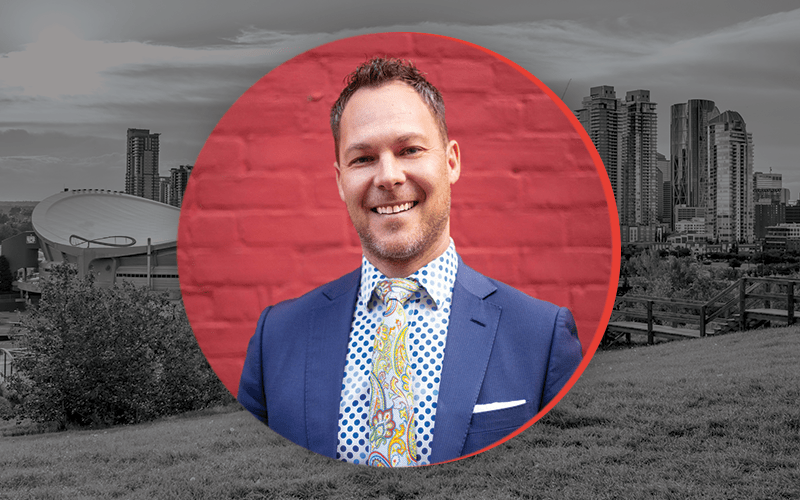
Kevin Harrison is Principal at Sturgess Architecture, a Locally Based Firm That Has Completed Some of Canada’s Most Recognized Projects
Episode
Kevin Harrison is the Principal at Sturgess Architecture, a locally based firm that has completed some of Canada’s most recognized projects....
Key takeaways
- Creating extraordinary environments that elevate the everyday and enhance human experience should be at the core of any design-focused business.
- Being present and in the moment for every interaction, whether with clients, team members, or family, is the key to managing multiple responsibilities as an entrepreneur.
- Building a strong office culture where employees feel like family creates powerful engagement and better work, making it worth the effort to know your team on a personal level.
- Drawing inspiration from the context of each project site and client needs, rather than applying generic solutions, leads to truly unique and meaningful designs.
- As a business owner, you carry the responsibility of feeding multiple families, which requires both big shoulders to handle the load and passion for supporting your entire team.
Transcript
Full transcript page · Interactive episode
============================================================
TRANSCRIPTION WITH SPEAKERS
============================================================

[00:00] SPEAKER_00: Welcome to Canada's podcast, the number one podcast for entrepreneurs by entrepreneurs.
[00:07] SPEAKER_00: Hello and welcome to Calgary's podcast on Canada's podcast network. Joining me today is Kevin
[00:15] SPEAKER_00: Harrison, who is principal of Sturgis Architecture in Calgary. I'm your host Mario Toniguzzi.
[00:22] SPEAKER_00: Thanks for joining us today, Kevin. Thanks for having me. I appreciate it.
[00:25] SPEAKER_00: Well, let me just start by asking you, Kevin, just a little bit about Sturgis.
[00:31] SPEAKER_00: Young give me a little bit of the history of the company when it started and what you folks do.
[00:38] SPEAKER_01: All right. Well, our company was founded over four decades ago, really actually in 1977. So 43
[00:45] SPEAKER_01: years ago by our founder, Jeremy Sturgis. And I think during that time and up to now what
[00:55] SPEAKER_01: stands us apart is our kind of known track record for our diversity and the scale of work that we do,
[01:02] SPEAKER_01: architecture work that we do. I'd say our studio leads with creativity that's
[01:09] SPEAKER_01: expansively imaginative yet meticulously thoughtful and collaboration that merges with
[01:15] SPEAKER_01: sort of our kind of versatile talent and our shared vision that originated over four decades
[01:21] SPEAKER_01: ago and continues on through today. And so a snapshot of those sort of 43-ish years,
[01:31] SPEAKER_01: we're a collective of architects, designers, technical staff, which allows our distinct
[01:40] SPEAKER_01: backgrounds to enable adaptability and sort of empower possibility. We believe that generic ideas
[01:49] SPEAKER_01: and great design, they don't coexist. So we approach each client and each project with a sort of
[01:58] SPEAKER_01: radically tailored lens and an invested exploratory process leaving no stone unturned. You know,
[02:07] SPEAKER_01: this kind of unfolds with a commitment to context at every level, ensuring our designs and
[02:14] SPEAKER_01: designs are kind of deeply enlightened by its context, by its surroundings. So, you know, we're
[02:20] SPEAKER_01: we're pretty passionate about that and passionate about the longevity of the office and passionate
[02:27] SPEAKER_01: about the work that we do. And you know, so there's a we'll call it a one-minute synopsis of
[02:32] SPEAKER_01: who we are and what we do. What kind of a range of projects do you do?
[02:38] SPEAKER_01: Sure, sure. As I sort of briefly touched on, the scale of our work is extremely diverse
[02:47] SPEAKER_01: from the sort of from a all introduced a $4.9 billion transit project. That is the city of
[02:55] SPEAKER_01: Calgary and Greenline to, you know, culturally vibrant public spaces to custom-built homes.
[03:04] SPEAKER_01: You know, we're we're responsible for for that all of that architecture and architecture that
[03:09] SPEAKER_01: endurance. So, you know, it's extremely diverse in what we do and the amount of work that we do.
[03:15] SPEAKER_00: Now, do you do your work primarily in Calgary or elsewhere in Canada?
[03:23] SPEAKER_01: I would say the majority of our work is located in Calgary and Alberta in particular.
[03:30] SPEAKER_01: But we definitely have spread our wings somewhat. One of our larger projects that we're currently
[03:38] SPEAKER_01: working on right now is in Toronto. We've had work that has spread us overseas too in years past.
[03:47] SPEAKER_01: We did a project in Japan many years ago. We recently did some exploratory work for a project
[03:54] SPEAKER_01: in the Paul. And so, our work is global in a sense, but the majority of it is in fact in Calgary and
[04:01] SPEAKER_00: in Alberta. I'm going to ask you about a couple of those projects. And you mentioned Toronto. I'm
[04:06] SPEAKER_00: assuming this is the flyover Canada project. You are correct, yes. Can you tell me a little bit
[04:12] SPEAKER_00: about that? What is it? And one will have been done and all that stuff. Sure, sure. Well,
[04:19] SPEAKER_01: it's a, I'll step back a little bit. The project that we're working on in Toronto is for a
[04:27] SPEAKER_01: similar client, essentially, brother or sister company, if you will, of the Glacier Skywalk,
[04:33] SPEAKER_01: the client that we did the Glacier Skywalk for in Jasper National Park. And we had such a
[04:39] SPEAKER_01: positive experience working on that particular project with the client. They approached us to do
[04:47] SPEAKER_01: another attraction based project in Toronto. This is at the heart of the entertainment district in
[04:55] SPEAKER_01: Toronto at the base of the CN Tower between the CN Tower and Roger Center. So it's a pretty high
[05:00] SPEAKER_01: profile site. It's an attraction based building, but one of the reasons they came to us was to create
[05:10] SPEAKER_01: what we would sort of dub and the client too is an iconic building that supports their intended
[05:20] SPEAKER_01: use and intended program for the space. So in essence, it's a flying theater, which is quite
[05:28] SPEAKER_01: commonly being known and used more and more these days in the attraction based program. But
[05:36] SPEAKER_01: the additional andcillary program that supports that is all about user and guest experience. And
[05:42] SPEAKER_01: what I mean by that is because we're in such a public space, there's active urban edges,
[05:48] SPEAKER_01: there's an active entry in cafe and retail space at the plaza level. And as you enter the building,
[05:56] SPEAKER_01: you through guest experience, you start to navigate yourself through these spaces, whether it's
[06:02] SPEAKER_01: what we're sort of dubbing as upon ticket purchase and ticket entry, you enter into a boarding
[06:07] SPEAKER_01: gate and you begin to ascend and take off in a series of stages and processes that then
[06:14] SPEAKER_01: leads you to what is the flying theater, which is a story, a real story about Canada.
[06:24] SPEAKER_01: You fly coast to coast and you really experience your country through this fully articulating
[06:34] SPEAKER_01: theater where we have this 19-meter diameter sphere where you fly across the country
[06:42] SPEAKER_01: sitting on these seats in this fully articulating theater space that it's a really amazing experience.
[06:53] SPEAKER_01: Upon clothes of that, there's still more public spaces that you can engage within the building.
[06:59] SPEAKER_01: So it's really exciting for us. We are really thrilled about the opportunity and thrilled
[07:05] SPEAKER_01: about the project in particular. So in terms of timing, as you sort of touched on, we're
[07:13] SPEAKER_01: nearing the end of the design process, hoping to start construction in the spring of 2021.
[07:23] SPEAKER_01: And then it'll give or take 18-ish months, 20 months to build, give or take. And so we're not too
[07:32] SPEAKER_01: far off from seeing shovels in the ground, so to speak. Okay, super. Now you mentioned the glacier
[07:38] SPEAKER_00: skywalk and now in the Columbia ice fields. Can you maybe for those who are not aware of that attraction?
[07:48] SPEAKER_00: He explained exactly what it is. Yeah, absolutely. The project initiated as really an educational
[07:56] SPEAKER_01: based project that brings insight and information to sort of receiving glaciers in our world, really.
[08:07] SPEAKER_01: And so more than just that, this project is, yes, it's cultural, yes, it's attraction-based,
[08:14] SPEAKER_01: but it's also education-based. And so you start by engaging the project through this
[08:19] SPEAKER_01: 300-meter-long walkway, an extreme walkway that's right along the edge of the mountain side.
[08:27] SPEAKER_01: And along that walkway, there's a series of what we've been dobing as nodes or educational
[08:32] SPEAKER_01: nodes, whether they're geological nodes, whether they're nodes about the migration of the animals
[08:41] SPEAKER_01: that would exist within that mountain side and within the ice fields. And then you ultimately
[08:47] SPEAKER_01: that leads you to what is the kind of culmination of the project that is this glass,
[08:56] SPEAKER_01: cantilevered lookout over top of the gorge below. So, you know, we're, give or take 180 meters
[09:04] SPEAKER_01: at the leave above the gorge below equivalent to the height of the Eiffel Tower in the air on a
[09:09] SPEAKER_01: glass walkway that that purges you out high above the ice fields or high above the gorge below.
[09:16] SPEAKER_01: It's a pretty powerful experience. We're extremely, extremely pleased with it.
[09:22] SPEAKER_00: That maybe one day I'll drum up the courage to do that, but I do have a fear of heights,
[09:30] SPEAKER_00: but man, for those of you out there who haven't seen it, just google it and take a look,
[09:37] SPEAKER_01: unbelievable, a very cool attraction. Yeah, it's really interesting. While those who have
[09:46] SPEAKER_01: fear of heights are often, you know, nervous about it, our structural engineers involved in the
[09:51] SPEAKER_01: projects say, you know, you can park a 747 on that thing. So, it's not going anywhere.
[09:59] SPEAKER_00: So, it's safe. Okay, super. So, I'm curious, you know, the super cool ideas that you guys,
[10:08] SPEAKER_00: you get, where do they come from? Like, how do you, I guess, how do you get the creative juices going
[10:17] SPEAKER_00: for all these different and unique projects that you do? Sure. Well, I think all of our work
[10:26] SPEAKER_01: starts with two particular things. And the client being one and the site being the other.
[10:34] SPEAKER_01: And arguably, you can't create something without those. And so, we then get inspired, but, you know,
[10:42] SPEAKER_01: a client comes to us with a desired program, whatever that might be. And typically a site
[10:48] SPEAKER_01: associated to that. And then, and so, we then, you know, visit the site. We look for cues.
[10:56] SPEAKER_01: We look for context. We look for opportunities that the site presents us that speaks to the
[11:02] SPEAKER_01: program that the clients bring to us. In the case of Glacier Skywalk, we were really inspired by
[11:09] SPEAKER_01: you know, the geological nature of what existed within the landscape. They're, and that kind of
[11:15] SPEAKER_01: inspired the formal representation of the project itself. In the case of our Flyover Canada project,
[11:25] SPEAKER_01: because this is called Flyover Canada, you know, how can we use the kind of iconic nature of what
[11:32] SPEAKER_01: is Canada as a representation to how we might design our building and how we might represent our
[11:40] SPEAKER_01: building. So, you know, we have, we have forests throughout our country. So, can we, can those forests
[11:46] SPEAKER_01: inspire a sort of a wooded experience or some representation of that? We have glacial, we have
[11:56] SPEAKER_01: glacial conditions in our country. We have icebergs. You know, can that inspire some sort of
[12:03] SPEAKER_01: architectural representation? And so, we look for cues throughout the landscape, throughout the
[12:10] SPEAKER_01: site and draw that with the client's program. And so, it comes from everywhere is the answer.
[12:17] SPEAKER_00: Now, in this pandemic world that we live in, and obviously, more people are working from home,
[12:25] SPEAKER_00: you have a program or an initiative called Office Retreats. What is that all about?
[12:32] SPEAKER_01: Well, it was, it was, given, well, it came to us because of COVID, really. You know, like, like
[12:40] SPEAKER_01: everyone else, you know, kind of whatever it was, second week of March, it was everyone's,
[12:45] SPEAKER_01: everyone's working from home. And, you know, it just turned this world upside down. And, and
[12:52] SPEAKER_01: well, you can see here, I'm actually, I'm actually at the office. But I'm the only one, I'm the only
[12:58] SPEAKER_01: one here. But those who are working from home, it inspired you to think in other ways. You know,
[13:05] SPEAKER_01: I'll use myself as an example. I have a three year old and a six year old. And, and working from
[13:10] SPEAKER_01: home was pretty challenging. Given the nature of two young boys, other people have, have different
[13:17] SPEAKER_01: conditions. But working from home, how can you create space, create what might be dubbed as a
[13:25] SPEAKER_01: sanctuary to actually be productive? And, you know, a kitchen table may or may not be that solution.
[13:33] SPEAKER_01: But it got us thinking, how can we, how can we design these ideas of the office retreat that supports
[13:42] SPEAKER_01: really taking from an idea from the count of the land use by law and building permit? How can we
[13:48] SPEAKER_01: design this space that doesn't require a development permit that doesn't require a building permit?
[13:54] SPEAKER_01: But it can be this sort of adaptable, mutable, small space that can be your office sanctuary,
[14:02] SPEAKER_01: that can be done in your backyard as a means to be creative, be productive, have an opportunity
[14:08] SPEAKER_01: to actually be able to concentrate without the potential for
[14:14] SPEAKER_01: interruption, if you will. And so that's where that's where the idea spawned from.
[14:19] SPEAKER_01: And then internally as an office, we said, okay, well, let's make this, let's make this an
[14:26] SPEAKER_01: internal office competition. And so, and so a group of us, you know, we broke out into separate groups
[14:32] SPEAKER_01: and designed a series of them. And so we designed six of them all different, all unique in their
[14:38] SPEAKER_01: own right. And, and it was really exciting for the office. It gave an opportunity to take what would
[14:44] SPEAKER_01: be, you know, arguably a challenging time associated to COVID and create something fun and
[14:51] SPEAKER_01: interesting and exciting, yet also something that is valuable to the experience in which we're
[14:59] SPEAKER_01: dealing with these days. So we're pretty excited about it. Excellent. So I'm just curious, how
[15:05] SPEAKER_00: did you become an architect? And why did you become an architect?
[15:09] SPEAKER_01: Well, it's, I would say it's been in my blood, my life, my whole life, my, my father's a contractor.
[15:19] SPEAKER_01: And I started working with him at the age of 12 in the summers. Whether that's, you know,
[15:27] SPEAKER_01: doing what 12 year olds do, pushing wheelbarrows, digging holes, you know, those sorts of things,
[15:33] SPEAKER_01: continue to work with him, you know, up until I graduated high school. I then worked
[15:38] SPEAKER_01: again for a year with him before going on to school. I came here to go to SAIT, did architectural
[15:44] SPEAKER_01: technologies at SAIT, always knew that I think I wanted to become an architect. And so after graduating
[15:51] SPEAKER_01: SAIT, I worked for a few years as a, for a developer here in the city. And then I headed out east
[15:57] SPEAKER_01: to Halifax to get my master's degree, knowing farewell that it was, it was always something I wanted
[16:03] SPEAKER_01: to do. And, you know, after school, so the story goes, I started here and I've, I've been here for,
[16:11] SPEAKER_01: including I did a couple of work terms as a student at the office, but I've been here for
[16:16] SPEAKER_01: 16-ish years now. And, you know, it's, it's obviously, I'm a principal, it's a place for me,
[16:22] SPEAKER_01: you know, but yeah, it's, I've always been inspired by architecture and always thought it was for me,
[16:28] SPEAKER_00: it was something for me. So what does your father think of some of the stuff you come up with?
[16:34] SPEAKER_01: Well, I mean, I think you know, like any, like any parent, always proud of their children.
[16:40] SPEAKER_01: You know, and I think they're pretty, well, I use they because it's always mum and dad, you know,
[16:50] SPEAKER_01: I think, you know, it's, they're really excited about, you know, seeing what,
[16:59] SPEAKER_01: you know, their child or their children can achieve, you know, it's, I think, as a father myself,
[17:05] SPEAKER_01: as a parent, you know, seeing excitement, seeing progress, seeing how your children can
[17:13] SPEAKER_00: achieve something is, is extremely powerful. Yeah, exactly. So when you look at things,
[17:21] SPEAKER_00: I'm just wondering, is there anything that you'd like to do that you haven't done yet?
[17:27] SPEAKER_01: There, there is lots. The list is long, the list is long. You know, I think on, on some level,
[17:37] SPEAKER_01: you know, as an architect, you're always inspired to want to do more. Whether more is bigger,
[17:44] SPEAKER_01: or smaller, it's to be determined, but I'm very much interested in, in, in starting to really see
[17:51] SPEAKER_01: how we can, how this office can do bigger projects, whether it be performance venues, whether it be
[17:59] SPEAKER_01: stadiums, whether it be museums, you know, those sorts of things, really excited about,
[18:05] SPEAKER_01: about how we might bring ourselves to a position where we can, where we can work on those types of projects.
[18:12] SPEAKER_01: You know, it's the, the opportunity to, to design projects and work on projects that
[18:21] SPEAKER_01: facilitate really human connection, human opportunity, human engagement with the environment.
[18:28] SPEAKER_01: We're really passionate about it and, and we really want to relish that kind of opportunity. So,
[18:34] SPEAKER_01: yeah, the list is long and, and continue, you know, continue to be long for, for as long as I'm
[18:41] SPEAKER_00: practicing. Now, as an entrepreneur, Kevin, you know, a couple of things in that area, I'll ask you,
[18:50] SPEAKER_00: but first of all, what's the biggest challenges you face as an, as an entrepreneur?
[18:56] SPEAKER_01: Yeah, well, I think, you know, the, the usual thing about money is always, always a question,
[19:02] SPEAKER_01: but I don't think of it in that sense, you know, as, as, as someone who's running an office,
[19:08] SPEAKER_01: you know, our office is a sort of small to medium size architecture office. We range anywhere
[19:14] SPEAKER_01: between 15 to 20 people at any given time. And so, what does that mean? That actually means,
[19:19] SPEAKER_01: you know, we have 15 to 20 families to feed. And, and so, you know, how do you, as an entrepreneur,
[19:26] SPEAKER_01: how do you put yourself in a position to, to be able to, to do so in such a manner? What,
[19:33] SPEAKER_01: what, what I didn't touch on a little bit about our office is the culture that we create in here
[19:41] SPEAKER_01: is, is, you know, those who, those who work in our office are, are really passionate about the
[19:46] SPEAKER_01: work that we do and passionate about this in particular. And, and that's because it's, it's the
[19:52] SPEAKER_01: culture that we create. And, and, and so, we're, we're almost like, almost like a family or an
[19:59] SPEAKER_01: extended family, if you will. And, and so, you know, when you have good days, you experience it,
[20:05] SPEAKER_01: and when you have bad days, the family experiences it too, but the way we feel about each other is
[20:11] SPEAKER_01: extremely, it's powerful. And so, as an entrepreneur, what can I do or, or how can I
[20:21] SPEAKER_01: create opportunity to make that, to continue that engagement, that culture, that, that powerful
[20:27] SPEAKER_01: connection that we have as a team and as a, as a group working together. And so, you know, does
[20:33] SPEAKER_01: that mean pounding the pavement? It usually does, but it also means more than that, because
[20:39] SPEAKER_01: how do I get to know everyone on a personal level? As an employer, but as their friend as well,
[20:45] SPEAKER_01: that to me, I see, I see success and opportunity through that means. And, and, and that's where
[20:54] SPEAKER_01: I get really excited about the office, about the team, about what we do, about how we can
[21:03] SPEAKER_01: better ourselves because of it. And so, you know, to talk about 15 to 20 families to feed because it
[21:10] SPEAKER_01: is. And, and so, you know, I'm, I'm, you know, I'll sit, you know, metaphorically, I got big
[21:17] SPEAKER_01: shoulders. I can, I can carry the load. And I want to, I want to be able to support our group,
[21:24] SPEAKER_01: however, however that is. And, and, you know, I'm, I'm passionate about it for sure.
[21:29] SPEAKER_00: One of the things that I am always curious about, you know, when it comes to entrepreneurship is
[21:35] SPEAKER_00: that, obviously, you know, being an entrepreneur, you really have like two jobs, right? You,
[21:40] SPEAKER_00: you're, you're the job of what you do, right? Being an architect, but then the job of being a
[21:47] SPEAKER_00: business owner, right? How do you juggle those two? It can be challenging. And I would say
[21:54] SPEAKER_01: in broad sense, it's two jobs, but there's probably like a hundred of them, you know, your HR,
[22:00] SPEAKER_01: your business development, your, et cetera, et cetera, et cetera, et cetera. How do you juggle it?
[22:06] SPEAKER_01: Well, I mean, I think it's about integrating it into your life as a kind of holistic approach.
[22:13] SPEAKER_01: And so, and so, you know, yes, architecture, you know, I've got into architecture because it's
[22:20] SPEAKER_01: my passion and I love it. And I love what I do, you know, at the same time being an entrepreneur
[22:26] SPEAKER_01: is, is, is equally is rewarding. And in the sense of how can you see something come to fruition?
[22:36] SPEAKER_01: And, and so, how do you juggle it? It can be hard, you know, it's 24, 7, 365. It's the simple
[22:43] SPEAKER_01: fact of the matter. And, but what I'm, what I think is most important as to how you manage that
[22:50] SPEAKER_01: is you be in the moment and, and you be present in everything that you're doing. So, if, if I have a
[22:58] SPEAKER_01: meeting with our team about a project in particular, I'm, you know, concentrating on what the
[23:05] SPEAKER_01: conversation is about as we're doing right now. I'm not daydreaming about something else because
[23:12] SPEAKER_01: you know, if you're in the moment, if you're present, you can be engaged and you can manage things
[23:17] SPEAKER_01: otherwise. The same is said, if, you know, I'm not at the office and I'm playing with my kids and,
[23:24] SPEAKER_01: or my life or whatever it might be. And something actually comes up from the office, it's like, okay,
[23:31] SPEAKER_01: okay, kids, can you give me five minutes? I need to just deal with this and I'll deal with it. I'll
[23:37] SPEAKER_01: be in the moment. I'll be present. And then I'll come back and I'll be in the moment and I'll be present.
[23:41] SPEAKER_01: So, I think that's that for me personally, that's the key to how, how you manage being
[23:48] SPEAKER_01: doing the job versus being an entrepreneur and that sort of thing.
[23:52] SPEAKER_00: Okay, super. Now, speaking of juggling, how do you create that work slash life balance out there?
[24:02] SPEAKER_00: What do you do on that side of the?
[24:07] SPEAKER_01: Yeah, I mean, the notion, the notion of balance is is more for me about integration.
[24:15] SPEAKER_01: And, and so, you know, arguably you can't work 24, 7, 365. We all know that. But there's a level
[24:25] SPEAKER_01: of being a business owner that demands the kind of metaphorical notion of what that is. And so,
[24:31] SPEAKER_01: how do you balance it? You think it's, in fact, being what I just talked about is being in the moment.
[24:38] SPEAKER_01: And so, you know, you do what you do during the day and whether it's, you know, whether you're
[24:46] SPEAKER_01: working from home now or in my particular case, I'm at the office and then you come home and you
[24:50] SPEAKER_01: be in the moment. And if you need to respond to things that speak or that are, you know, urgent,
[24:59] SPEAKER_01: if you will, it's a simple balance, you know, and, and, and as long as you're in the moment,
[25:04] SPEAKER_01: I think for me personally, I think I can balance it. And I think I can handle it. And I think I can
[25:10] SPEAKER_01: integrate it in such a way that doesn't carry so much weight that it becomes a burden.
[25:18] SPEAKER_00: Yeah, exactly. What other things do you do besides having architecture as your interaction?
[25:25] SPEAKER_00: What other hobbies or, uh, per se, yeah, to have? Well, I would say I'm a pretty avid sports fan.
[25:32] SPEAKER_01: My, you know, my, my playing days are arguably over. And so, I'm kind of living through,
[25:40] SPEAKER_01: through my children, if you will. I, uh, I, I help coach my son, Hockey. You know, I'm pretty
[25:47] SPEAKER_01: passionate about dope baseball and hockey in particular, but, um, you know, that's, that's one thing
[25:52] SPEAKER_01: as from a sports perspective that I, I really enjoy. I also, um, am a board on the board of directors
[26:00] SPEAKER_01: at the grand. And so, you know, the, the notion of culture and theater is really important to me,
[26:07] SPEAKER_01: and it's important to how we as a society experience, experience each other and experience art.
[26:15] SPEAKER_01: And, and so, you know, there's, there's, um, avenues beyond just the work and the business that,
[26:22] SPEAKER_00: that I'm, that I'm equally passionate about. Now, when you mentioned, uh, your playing days over,
[26:28] SPEAKER_01: did you play somewhere? Uh, like, play sports? Uh, yeah, I, uh, um, you know, I played both baseball
[26:36] SPEAKER_01: and hockey competitively. I grew up in Nelson in BC. Um, and so, you know, I, it was a lot of what
[26:45] SPEAKER_01: we did, uh, growing up as kids and, you know, you do that and you have fun and you, you know,
[26:51] SPEAKER_01: you hang out with your friends and, you know, it's, it's, it's a really, you know, I,
[26:55] SPEAKER_01: team camaraderie is a sort of metaphor for, for life camaraderie. And so I really appreciated that.
[27:00] SPEAKER_00: Well, just as an aside, my very first job in journalism was at the Nelson Daily News.
[27:07] SPEAKER_00: Oh, wow. Yeah, 40 years ago, May 1979, I moved from Calgary to, I'm sorry, from Ottawa,
[27:14] SPEAKER_00: to Nelson and, uh, became sports auditor at the Nelson Daily News. So I know that it, uh, quite well.
[27:21] SPEAKER_00: That's cool. Yeah. It was that part of the, I guess, the attraction for you, for the doing the
[27:28] SPEAKER_00: Columbia Icefield thing, uh, uh, in BC and part of all that, uh, natural landscape and. Yeah, I mean,
[27:35] SPEAKER_01: I think, you know, growing up there, you know, we, we, we, we live just outside of town and grew up on
[27:42] SPEAKER_01: 17 acres. And so the lake was, the lake was our front yard and the mountains the backyard.
[27:47] SPEAKER_01: There's a kind of experience to nature that you, you don't often get in, in, in urban setting. And,
[27:54] SPEAKER_01: and perhaps as a kind of, you know, underlying thing that, that's what drew us there, for sure. I
[28:01] SPEAKER_01: mean, I think everyone would say, you know, do you like being outside or do you like nature,
[28:05] SPEAKER_01: do you like the mountain? Like most people are going to say, yes. And, you know, so, you know,
[28:10] SPEAKER_01: so, uh, having grown up there was, was great though, for sure. Super. Well, thanks very much, Kevin,
[28:16] SPEAKER_00: for taking the time and speaking with us today. Well, it's my pleasure, my pleasure. I, uh,
[28:21] SPEAKER_01: I really enjoyed this. I just want one, like to add just one thing, you know, about our work that,
[28:27] SPEAKER_01: that I think that, you know, sort of resonates with us. And when we talk to those who, who,
[28:33] SPEAKER_01: who know our work and clients, clients that were, we talk about, you know, to us, what we do is,
[28:39] SPEAKER_01: is more than architecture. You know, we're, we're here to sort of create extraordinary
[28:45] SPEAKER_01: environments that elevate the everyday. You know, we're here to enhance the human experience. And,
[28:50] SPEAKER_01: and, and I think, you know, if you talk to a lot of our clients, they can attest to that, for sure.
[28:56] SPEAKER_01: And, and, and if, if a client can attest to that, I think what we're doing is successful. And,
[29:02] SPEAKER_01: and so, you know, we're really proud of what we do for, for those reasons.
[29:06] SPEAKER_01: Okay, super. Thanks, Kevin. Mary, I really appreciate it. I, uh, I, I, I think, thank you for the
[29:11] SPEAKER_00: opportunity. Okay, that was Kevin Harrison, principal of Sturgis Architecture in Calgary. This
[29:18] SPEAKER_00: has been, uh, Calgary's podcast on Canada's podcast network. I'm your host Mario Tonoguzi. Thanks
[29:25] SPEAKER_00: for joining us today.