
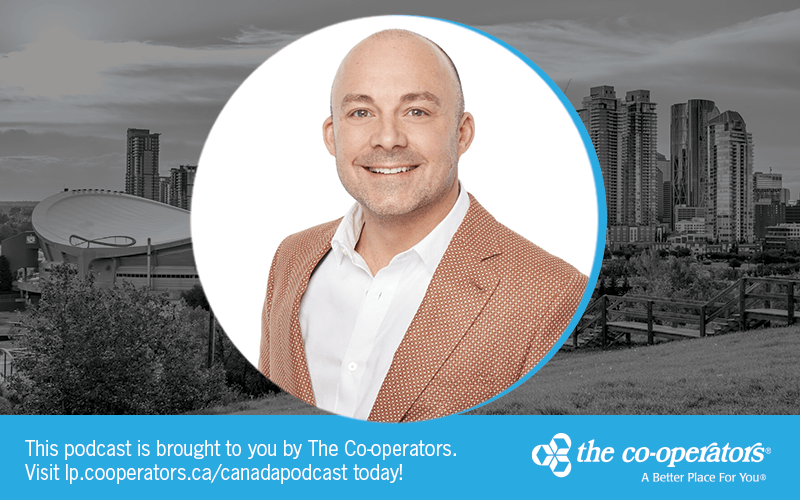
Jayson Krause, Founder of Level 52 & award-winning jack of all trades talks leadership & success
Episode
Jayson Krause is an award-winning jack of all trades. As an author, leadership strategist, speaker, executive coach, and the founder...
Key takeaways
- High performance leadership is about focusing on the little things that most people step over or ignore, rather than chasing magic bullets or big solutions.
- Clarity in communication is essential—use bookending to define both what something is and what it isn't to eliminate assumptions and friction in your team.
- Embrace meaningful masochism by identifying the pains you're willing to pursue on the path toward your compelling vision, rather than being overwhelmed by all challenges.
- When facing uncertainty, focus on what you do know and create certainty through mile markers and structures that help direct attention to what matters.
- Step back and examine how you might be infecting the very problems you're trying to solve—owning your contribution to challenges is the first step to meaningful change.
Transcript
Full transcript page · Interactive episode
============================================================
TRANSCRIPTION WITH SPEAKERS
============================================================

[00:01] SPEAKER_02: Today's podcast is sponsored by the cooperators. As part of your local community, their advisors
[00:08] SPEAKER_02: understand the challenges facing businesses like yours. They're here to help you protect
[00:13] SPEAKER_02: what you've worked so hard to build and ease your mind with professional advice, the
[00:18] SPEAKER_02: right insurance solutions, and a full range of coverage options. Visit cooperators.ca to
[00:25] SPEAKER_00: find a local advisor today. Welcome to Canada's podcast, the number one podcast for entrepreneurs
[00:34] SPEAKER_02: by entrepreneurs. Good afternoon everyone and welcome to Canada's podcast. I'm Bonnie LG host
[00:41] SPEAKER_02: of Calgary's podcast here in Alberta. And today I am delighted to welcome author, speaker,
[00:48] SPEAKER_02: and executive coach Jason Kraus to the podcast. Jason is a former pilot for the National
[00:54] SPEAKER_02: Canadian Bob's lead team and is also the founder of Level 52, a leadership development and
[01:01] SPEAKER_02: executive coaching practice. Jason, welcome to the show. I'm so glad you could be here.
[01:06] SPEAKER_02: Thanks, Bonnie. It's great to be here. Yeah, well let's jump right in and can you tell our listeners
[01:12] SPEAKER_02: a little bit about yourself and in particular what has inspired this passion that you have for
[01:18] SPEAKER_01: leadership development? The passion for me started when I was a national team athlete.
[01:24] SPEAKER_01: Being in the world of constantly seeking to make things better, I was an avid reader. I was
[01:31] SPEAKER_01: also studying business during my, during my athletic career, but it was a close friendship with
[01:38] SPEAKER_01: another athlete named Steve Messler, where we'd speak about these things and about leadership,
[01:43] SPEAKER_01: high performance. And we thought, you know, we have access to a lot of interesting resources,
[01:50] SPEAKER_01: mindsets. How do we get these out into the world outside of sport? And that's when the wheel
[01:56] SPEAKER_01: started turning and then the experimentation began around taking these principles,
[02:02] SPEAKER_01: packaging them with some emerging science and helping leaders make a difference.
[02:08] SPEAKER_02: Right. Yes, do you spend, I guess, on the podcast as well? That's a great connection.
[02:15] SPEAKER_02: So can you dive a bit deeper into an example of maybe some of those principles that you
[02:22] SPEAKER_02: you learned on the Bob's Lead track that you've been able to apply now in this next iteration
[02:29] SPEAKER_01: of your career? The first one that jumps out to me is defining what high performance is.
[02:36] SPEAKER_01: A lot of people when they see high performance masterful leaders, they think they found something big,
[02:43] SPEAKER_01: like what's the big thing that they do when really in high performance, sport like Bob's Lead,
[02:50] SPEAKER_01: a hundredth of a second makes the difference between being on the podium or out of the race or
[02:55] SPEAKER_01: footballs, a game of inches. And high performance leadership is the same or what, you know,
[03:01] SPEAKER_01: we extended to meaningful leadership when it's the little things that make the biggest difference.
[03:07] SPEAKER_01: So while everyone else is waiting, hoping, chasing for the magic bullets that are going to save the
[03:13] SPEAKER_01: day or fix their environment, it's the high performance and meaningful leaders that are focusing
[03:19] SPEAKER_01: on the little things that most people step over or ignore. And so what would be an example of
[03:26] SPEAKER_02: a little thing that a lot of people ignore, but actually can be the difference maker.
[03:33] SPEAKER_01: Anything from taking a stance for clarity, you so many leaders, even when they don't think they do,
[03:40] SPEAKER_01: they do speak in short-hand or nebulous words. If you and I are on the same team and I say,
[03:49] SPEAKER_01: hey, Bonnie, I need you to take more ownership. And you go, yeah, yeah, I can do that. And I'm like,
[03:54] SPEAKER_01: okay, great, Bonnie is going to take more ownership. And then you leave based on your understanding
[04:00] SPEAKER_01: of what you think ownership is to me. And it's a guessing game. So much friction happens in
[04:08] SPEAKER_01: the business environment because of assumptions. Whereas I can employ a simple tool like one that
[04:14] SPEAKER_01: we call book ending where I talk about ownership. Okay, Bonnie, I need you to take more ownership.
[04:20] SPEAKER_01: This is what it looks like to me. This is what I would see you doing. These are the actions.
[04:25] SPEAKER_01: These are what I would hear you saying. And so really create that clear image so that we're
[04:31] SPEAKER_01: looking at the same idea of ownership. And then just as important, let's talk about what ownership
[04:38] SPEAKER_01: is it. Just to make sure these are the things that are really going to disappoint.
[04:44] SPEAKER_01: It's a little thing that's so simple that most people don't take the time to do.
[04:50] SPEAKER_02: We hear something and immediately move to action instead of clarification.
[04:55] SPEAKER_01: And then we figure we wonder how the heck did we get so far apart?
[04:59] SPEAKER_02: So our audience Jason is a broad range of entrepreneurs across North America. Some are our
[05:07] SPEAKER_02: smaller business owners, some run large organizations. I'm wondering, who are the clients that
[05:15] SPEAKER_02: you work with and how do you work with them or do you have different service offerings depending
[05:21] SPEAKER_01: on the needs of an organization? This is one of the things that has shifted since COVID.
[05:30] SPEAKER_01: A lot of our work usually came into two came in through two channels. One, we do enterprise
[05:37] SPEAKER_01: programs, deliver leadership programs inside the business or individual leaders would reach out
[05:43] SPEAKER_01: for one to one coaching. But now it's, we've opened up our programs where, whereas before we'd have
[05:52] SPEAKER_01: 15, 30 people in a program from one organization, we changed it to more open enrollment,
[05:59] SPEAKER_01: which has been a benefit to everyone where you have four people from, let's say, the head office
[06:06] SPEAKER_01: at Home Depot, two people from Google, three from ATB. Whatever it is, you have a wide cross-section
[06:14] SPEAKER_01: of industry from people from San Francisco, Boston, Edmonton, like everywhere. So that has been
[06:22] SPEAKER_01: a big shift. Primarily, businesses hire us to train their leaders or leaders hire us to elevate
[06:30] SPEAKER_02: their fitness, their ability. So obviously, when you're talking about working with organizations
[06:38] SPEAKER_02: all over the world and all over North America, you've had to pivot as we've gone into restrictions
[06:45] SPEAKER_02: associated with the pandemic. I'm curious, what did you have to do when the world started to change
[06:52] SPEAKER_01: less March? Our business, the way it was structured, so much of our work evaporated with travel
[07:02] SPEAKER_01: restrictions. Like I said before the call, we were flying everywhere to deliver our work. And
[07:09] SPEAKER_01: all of a sudden, with these restrictions, we had to change. And I'm so proud of the way the team
[07:15] SPEAKER_01: took our work, what we'd normally do in a couple of days in person. We created extended 12-week
[07:23] SPEAKER_01: programs, two hours a week, where there is no question that it is a better product.
[07:32] SPEAKER_01: Because now instead of exposing you to the concepts and having you work on it over two days,
[07:38] SPEAKER_01: we can spread it out over 12 weeks. Take a deeper dive into a specific area of content. So now you can
[07:45] SPEAKER_01: exercise it and apply it. That's what matters. Like the training is useless. If you don't apply it
[07:51] SPEAKER_01: to move the needle in your environment. And so we are forced to innovate, the program design,
[07:57] SPEAKER_01: the delivery, and it painful as it was, it we are much better off for it and so are our clients.
[08:07] SPEAKER_02: And I'm curious, working with your clients, what have been some of the greatest challenges?
[08:14] SPEAKER_02: They faced as we've had to adapt. The way that we do business, right down to the fact that,
[08:22] SPEAKER_02: teams cannot be physically together, the way that they once were. And I'm just curious, what are
[08:28] SPEAKER_02: some of those common themes or challenges that you've heard from your clients? And how have you
[08:34] SPEAKER_02: helped them adapt or move forward in their leadership role? The first one that jumps out is dealing
[08:42] SPEAKER_01: with uncertainty. We knew it was always a possibility that things can change, but a pandemic and
[08:48] SPEAKER_01: the extent was, I don't think on anyone's radar. And now it's sort of the waiting game. What will we
[08:55] SPEAKER_01: go back to? What are the elements of normal that we'll have that that will experience moving forward?
[09:02] SPEAKER_01: And there's just so much uncertainty. And working with leaders to create certainty, mile markers,
[09:12] SPEAKER_01: structures that help us focus our attention on what matters because we all know the entropy that
[09:19] SPEAKER_01: can happen when just our focus or creativity leaks because it we're getting pulled into the place
[09:27] SPEAKER_01: of uncertainty. And so working with leaders and their teams to identify, okay, there may be a lot
[09:34] SPEAKER_01: of things we don't know. But what do we know? How do we still make 2021? A great year, despite
[09:44] SPEAKER_02: the things that we don't know yet? How do they adapt to that stress? Like it's been an extraordinarily
[09:52] SPEAKER_02: stressful time for people, regardless of where they sit in an organization, but you know, we hear a
[10:01] SPEAKER_02: lot about mental health right now and the long-term impacts of uncertainty. How are you supporting
[10:09] SPEAKER_02: them or coaching them in dealing with their stress in a manageable way? So two things, maybe even three.
[10:19] SPEAKER_01: One, whether you're an entrepreneur, a leader in your business, working inside the business,
[10:28] SPEAKER_01: there's a concept that we enroll leaders to embrace. And that is the mindset of meaningful
[10:36] SPEAKER_01: masochism. Pains' challenges, turbulence are a part of being a leader or business owner.
[10:45] SPEAKER_01: And they can overwhelm us when it looks like a massive tsunami of pain, stress, irritations.
[10:53] SPEAKER_01: But a meaningful masochist in our language and our words is someone that identifies the pains
[11:00] SPEAKER_01: that they will pursue on the path towards their resonant vision. It's a reality we're going to
[11:07] SPEAKER_01: face these challenges. If we aren't, then that's actually when we got to start being careful.
[11:12] SPEAKER_01: And so a meaningful masochist finds the pains that are truly going to help us exercise and elevate
[11:18] SPEAKER_01: our fitness as a business, as a team. But then the big question is, like, what is the compelling vision
[11:26] SPEAKER_01: that has me want to exercise these? Without it, it can easily be sucked into the place of overwhelm.
[11:34] SPEAKER_01: Then it is the, you know, the exhilaration you get from the progress of engaging with the pain,
[11:40] SPEAKER_01: much like an athlete. But then a tangible tool that any leader or individual for that matter
[11:49] SPEAKER_01: can benefit from is what we call a CSPM Ventory. That take inventory of all of the things that
[11:57] SPEAKER_01: are turbulent in your environment. From the complaints, the things you wish would be different,
[12:02] SPEAKER_01: the stressors, the things that keep you up at night, and then like the big pains.
[12:09] SPEAKER_01: Then once we get them down and we can strategize around what we might want to engage with and
[12:16] SPEAKER_02: what we can put off for now. Today's podcast is brought to you by the cooperators. You can count on
[12:24] SPEAKER_02: them to support you and your business with a full range of insurance coverage options. Their
[12:30] SPEAKER_02: products provide the flexibility you want with the protection you expect. To find a cooperator's
[12:37] SPEAKER_02: advisor near you, visit cooperators.ca. A switching gears a bit here. I wanted to talk to you
[12:46] SPEAKER_02: about your book because one of the things that you mentioned in our pre-call was that the changes
[12:54] SPEAKER_02: that happened earlier this year. In a way, we could say that was part of the pain.
[13:01] SPEAKER_02: I allowed you time to get focused in and complete your book. Why don't you share with us a bit about
[13:07] SPEAKER_02: your book, The Science Behind Success, and what is the premise behind it? Getting the book done
[13:15] SPEAKER_01: was a good lesson. Sometimes the world gives you what you need and not what you want.
[13:23] SPEAKER_01: Because we were traveling so much or I was, the halton travel created this space to finally get
[13:29] SPEAKER_01: this done. The science behind success is the model that we use with leaders, the four elements
[13:35] SPEAKER_01: of science, as well as the specific tools we use with leaders to navigate turbulence and
[13:42] SPEAKER_02: deliver meaningful leadership into their world. Can you give us a bit more detail about those
[13:49] SPEAKER_01: pillars and what they entail? The four pillars. So there's the science behind success.
[13:56] SPEAKER_01: When we use the word science and success, people can assume it's one thing. Here's the way we frame
[14:03] SPEAKER_01: it. Science, we use the example of Ignoss Simulvice. A doctor in the 1800s saw a problem. Too many
[14:11] SPEAKER_01: women were dying when they were giving birth. When these women were delivering their
[14:18] SPEAKER_01: giving birth inside these clinics, the death rate was three times higher than working with a
[14:23] SPEAKER_01: midwife, for example. Simulvice obsessed over the solution, proposed it once he found a repeatable
[14:30] SPEAKER_01: solution and he was laughed at. He was committed to an insane assignment. What was this crazy thing he
[14:37] SPEAKER_01: proposed that, hey, all doctors have to do is wash their hands. Of course, that was validated
[14:47] SPEAKER_01: by Louis Pasteur after Simulvice passed on. But why we use that as an example is bad science is
[14:54] SPEAKER_01: when we seek to validate our own ideas, our expertise. Whereas real science is the pursuit of greater
[15:02] SPEAKER_01: understanding. With curiosity seeking to find out if I do this, what will the impact be?
[15:10] SPEAKER_01: And so if science is the pursuit of greater understanding, what is success?
[15:14] SPEAKER_01: Well, most people struggle thinking that success is a destination that when I get to this revenue
[15:22] SPEAKER_01: point, when I get to this senior vice president or CEO role, then I'll have made it. But that is a
[15:31] SPEAKER_01: trap that we call destinationitis. And we use success differently as success is simply progression
[15:38] SPEAKER_01: towards that vision that inspires you. And so we frame that and then use four elements of science
[15:45] SPEAKER_01: as a backdrop to make leadership, culture, influence, make sense. The quick coals notes version of each.
[15:54] SPEAKER_01: The physiology of growth, why no pain means no gain and why that matters. The pseudoccience of
[16:01] SPEAKER_01: medics and behavioral contagion. We've been working with viruses for the last 10 years as a leadership
[16:09] SPEAKER_01: tool. And now we just live in a world of viruses. The next one is epigenetics, the science behind
[16:16] SPEAKER_01: why culture eats strategy for breakfast and what leaders need to know. And then the last one is
[16:23] SPEAKER_01: neuroscience skill acquisition. What are the structures, the simple structures you can use to
[16:28] SPEAKER_01: accelerate your wisdom, your influence and impact inside the organization? Well, it sounds like
[16:35] SPEAKER_02: there is so much depth of material that we could probably spend a couple hours easily talking more
[16:42] SPEAKER_02: about about your book. And I'm wondering for listeners, if if this was something they wanted to
[16:48] SPEAKER_02: learn more about and to pick up a copy, where would they be able to do that Jason? It can visit us
[16:56] SPEAKER_01: level52.ca. There's information on the book. There are some resources you can download
[17:02] SPEAKER_02: and that they can also be in touch with me. Okay, perfect. And we'll make sure at the end of the
[17:07] SPEAKER_02: show to get all of your contact information as well. I'd like to talk with you a little bit more
[17:15] SPEAKER_02: now about your own personal journey as an entrepreneur. As you've built level 62, one of the things
[17:22] SPEAKER_02: that we really like to do for listeners is share stories of how businesses are built,
[17:29] SPEAKER_02: you know, regardless of industry and I'm just curious how long did it take you to build level 52
[17:37] SPEAKER_01: to where it is today? It's taken a very windy road from where I started in 2006, the vision I had,
[17:52] SPEAKER_01: there were peaks and valleys and there was a point in late 2007 where I was like I have to
[18:01] SPEAKER_01: abandon this and I went to apply for jobs. I sought a recruiter and I would I was so in need of a
[18:10] SPEAKER_01: job, some supplemental income to shift this vision to be a side hustle rather than my primary work
[18:16] SPEAKER_01: that I was applying for a job and you'd want to talk about rock bottom. I couldn't even get hired
[18:23] SPEAKER_01: to sell industrial racking for like a $30,000 annual salary. Like I was doing that just to help pay
[18:33] SPEAKER_01: the bills because I had eaten everything up. But it's funny how the world works because the next month
[18:40] SPEAKER_01: I just through connections ended up getting connected to a consultant that needed work and that
[18:48] SPEAKER_01: was extended work for multiple years so I could balance it. And so it's been a roller coaster.
[18:55] SPEAKER_01: I don't know if the peaks and valleys ever stop but the peaks just get a little higher.
[19:01] SPEAKER_02: And sometimes the valleys get a little deeper too.
[19:07] SPEAKER_02: Yeah, exactly. Yeah, that's for sure. Well, I am wondering, you're so heavily focused on leadership.
[19:16] SPEAKER_02: Who is the leader that you would buy or why? The most remarkable leader I have ever worked with.
[19:25] SPEAKER_01: I was during the many iterations of level 52 before level 52 really became level 52. I took a
[19:35] SPEAKER_01: a senior leadership position for a firm down in San Francisco and I got to work with the kind
[19:41] SPEAKER_01: of leader that I aim to be. And her name is Michael Riggs Parche. When you talk like this, this is
[19:50] SPEAKER_01: a woman who gets the balance between the rigor around the business and the rigor around really
[19:58] SPEAKER_01: strong trusting relationships. And so from day one, the way she set the foundation of our relationship
[20:05] SPEAKER_01: to the way she pushed me, believed in me, I hope my kids get to experience a leader like that.
[20:12] SPEAKER_01: And she's been a, she's been the lighthouse for me when it comes to helping establish what is
[20:21] SPEAKER_01: the benchmark for a powerful leader, the kind of leader we need. Oh, that's a wonderful example.
[20:27] SPEAKER_02: Do you have favorite resources or podcasts or books that that either pick you up when you're
[20:36] SPEAKER_02: being a bit of a valley or just that you repeatedly will recommend to others and to clients that you
[20:43] SPEAKER_01: think may be helpful for listeners? There are so many. I'll tell you one of the latest books that
[20:50] SPEAKER_01: is fascinating to me is Upstream by Dan Heath. Just looking at the problems far upstream rather than
[20:59] SPEAKER_01: getting caught into the reactive trap. Two other books that I gift the most. One is the Alchemist
[21:08] SPEAKER_01: by Paulo Quelo, just a great example of process versus destination.
[21:15] SPEAKER_01: Mm-hmm. Yeah, it's a wonderful book. And then another one, regardless if you're a parent or not,
[21:21] SPEAKER_01: I do tend to buy it for every person I know that's about to have kids, but it's called Secrets of
[21:26] SPEAKER_01: Happy Families. And it's by a gentleman named Bruce Filer and it has practical business tools
[21:36] SPEAKER_01: that you can apply to your family and with four kids. That's a great resource. But as far as
[21:44] SPEAKER_01: pick me up, I find my whenever you throw in a podcast or listen to a book on Audible, I like to do
[21:51] SPEAKER_01: it when I run. It's inspiring just learning. New elements of leadership or business tools that
[21:59] SPEAKER_02: can help you navigate the challenges you're facing. As you look ahead to 2021, what's giving you
[22:07] SPEAKER_01: hope right now or what's bringing you joy? What I say to my clients are teammates at level 52.
[22:17] SPEAKER_01: Progress is inspiring. What you focus your attention on expands. If it's where we aren't
[22:23] SPEAKER_01: what happened during COVID, like there's so much we can focus on that's not working that
[22:31] SPEAKER_01: what inspires me is the progress. The progress we made over 2020 with obstacles we never
[22:37] SPEAKER_01: thought would happen. And what we're continuing to do, the book reaching the audience. And so when I
[22:44] SPEAKER_01: look at 2021, I'm inspired at the progress and the momentum that we've created through helping
[22:50] SPEAKER_02: leaders navigate this. You will have stories to tell for the rest of your career, right? And
[22:57] SPEAKER_02: extraordinary circumstances that have definitely tested all of us. Before we wrap up, Jason,
[23:03] SPEAKER_02: I'm just wondering is there anything else that you would like to share with our listeners,
[23:07] SPEAKER_02: either about your work or even a message that you think would really resonate with Canadian entrepreneurs
[23:14] SPEAKER_01: right now? If we look at the story of Ignossimilvice, here's the irony in that whole thing.
[23:23] SPEAKER_01: What he discovered is that the physicians that we're trying to help people were ironically the ones
[23:30] SPEAKER_01: infecting the situation and making it worse. And so the message would be is to step back and look
[23:39] SPEAKER_01: at all of the challenges, the pains that I'm facing. In what way might I be infecting the situation?
[23:46] SPEAKER_01: I think I'm trying to solve. And if you can step into that place of owning your problems,
[23:53] SPEAKER_01: then you can do a lot of things from that place. That is great. Great advice or a challenge,
[24:01] SPEAKER_02: I think for all of us, to take that step back. And often at this time of year, it is a time of
[24:07] SPEAKER_02: reflection as we start to set goals for next year. So I thank you for sharing that and for giving us
[24:15] SPEAKER_02: something to ponder in the weeks ahead. So please tell us where where listeners can connect with you
[24:23] SPEAKER_02: online and how they can get a hold of you if they'd like to learn more about your very important
[24:29] SPEAKER_01: and meaningful work that you're doing right now. Yeah, thank you. They can find me on LinkedIn,
[24:36] SPEAKER_01: Jason Kraus, Jason with a Y, or visit our website that I mentioned before, level 52.ca. They
[24:44] SPEAKER_01: can reach out, get in touch with me there. Any questions about what I've discussed? I'm happy to
[24:49] SPEAKER_02: answer. Great. Well, Jason, I have so enjoyed having you as a guest today. Thank you so much for
[24:55] SPEAKER_02: your time and look forward to connecting again soon. Thank you, Bonnie. It's great to be here.
[25:04] SPEAKER_02: Today's podcast was brought to you by the cooperators, business insurance. They're here to help
[25:09] SPEAKER_02: make sure you and your business are protected today and into the future. Visit cooperators.ca to
[25:17] SPEAKER_02: find a local advisor today.