
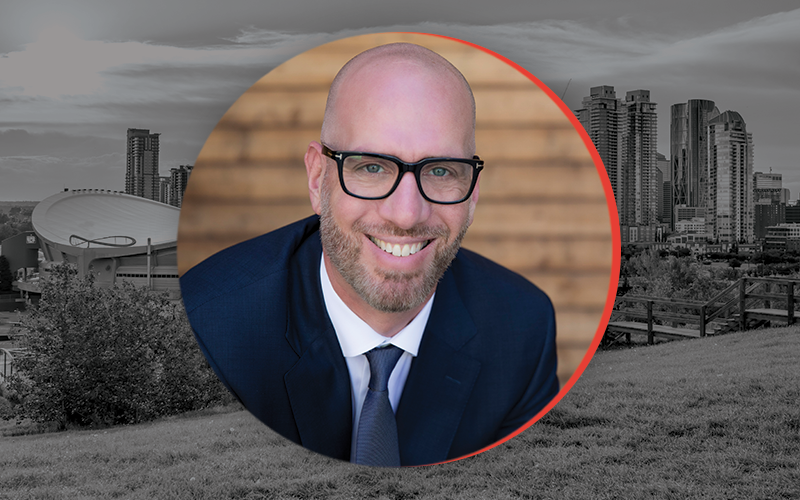
Dan Balaban is a Canadian ‘Powerhouse’ Leading Energy Transition Through an Aligned Mindset & Messaging, Entrepreneurial Initiatives and Global Impact Investing
Episode
Dan Balaban is the Co-Founder, President and CEO of Greengate Power, a leading Canadian renewable energy company. Based in Calgary, Dan...
Key takeaways
- Energy literacy is fundamental—understanding how energy is produced, consumed, and its associated pollution is essential for individuals and businesses to make informed decisions about the energy transition.
- The future of capitalism must be more compassionate, balancing profit with environmental, social and governance considerations while maintaining the innovation-driving benefits of the capitalist system.
- Canada is exceptionally well-positioned for renewable energy investment due to its stable political environment, business-friendly approach, phenomenal natural resources, and reputation as one of the world's most just societies.
- Electrification is the core of decarbonization—moving from burning molecules like coal, oil and gas to producing clean electrons directly from solar and wind, stored in batteries and transmitted to electric vehicles and other applications.
- Moving past polarization requires recognizing that the energy transition isn't binary—we need compassion for people whose lives are disrupted while collectively moving toward a sustainable future that includes both traditional energy expertise and renewable innovation.
Transcript
Full transcript page · Interactive episode
============================================================
TRANSCRIPTION WITH SPEAKERS
============================================================

[00:00] SPEAKER_01: Welcome to Canada's podcast, the number one podcast for entrepreneurs by
[00:06] SPEAKER_01: entrepreneurs. Hi, this is Angela Fay. I am super excited to welcome Dan
[00:12] SPEAKER_01: Balaban here with us today who is the founder, president and CEO of Greengate
[00:17] SPEAKER_01: Power. Now Greengate Power is a leading Canadian renewable energy company
[00:22] SPEAKER_01: based in Calgary, Alberta. And Dan leads Greengate Power team focus on the
[00:28] SPEAKER_01: development of high quality renewable energy projects. I just want to give you
[00:33] SPEAKER_01: some context of Greengate Day. So today, Greengate is successfully developed
[00:38] SPEAKER_01: 450 megawatts operating wind energy projects in Alberta. And they're
[00:45] SPEAKER_01: currently the largest operating wind-end energy project in Canada, the Black
[00:50] SPEAKER_01: Spring Bridge wind project. So they represent collectively approximately a
[00:56] SPEAKER_01: billion dollars of investment. And they're expected to reduce greenhouse gas
[01:01] SPEAKER_01: emissions by 20 million tons over 25 years and provide a clean source of
[01:06] SPEAKER_01: power to over 200,000 homes. So that's just the context for today's
[01:11] SPEAKER_01: discussion. Welcome, Dan. Good morning, Angela. Tell me a little bit about your
[01:16] SPEAKER_01: entrepreneurial journey. How did you land where you are today? Yes, so I you
[01:22] SPEAKER_00: know, I grew up in Canada's oil and gas capital, Canada's energy capital,
[01:28] SPEAKER_00: Calgary, Alberta. Growing up in Calgary, it's pretty difficult not to have some
[01:34] SPEAKER_00: type of exposure to the oil and gas industry. My father was my late father was
[01:38] SPEAKER_00: an oil and gas entrepreneur. So you know, grew up in you know, in and around the
[01:43] SPEAKER_00: oil and gas industry. But you know, one of the other things that we have here in
[01:47] SPEAKER_00: in Alberta is we've got we're right on the doorstep of the Rocky Mountains, you
[01:51] SPEAKER_00: know, beautiful natural landscape. And you know, spending time outdoors, I grew
[01:56] SPEAKER_00: our you know, real love of nature from a very young age. Started my career in
[02:00] SPEAKER_00: technology. I have a degree in computer science from the University of Toronto. I
[02:05] SPEAKER_00: started my career advising companies on how they could use a new technology called
[02:08] SPEAKER_00: the internet at that time to improve their businesses. And of course, a few years
[02:16] SPEAKER_00: later, the internet is fundamentally transformed the way we conduct and our
[02:21] SPEAKER_00: business in the world and exchange information. I start my first entrepreneurial
[02:27] SPEAKER_00: venture was a software company that I started up at the age of 24. And what we
[02:32] SPEAKER_00: did is we provided the internet-based solutions to help oil and gas companies
[02:38] SPEAKER_00: deal with some of their operational challenges, including reporting greenhouse
[02:42] SPEAKER_00: gas emissions. I had a successful exit out of that business at the age of 30
[02:48] SPEAKER_00: back in 2005. And I knew that the next thing that I wanted to do was something
[02:54] SPEAKER_00: that had a lasting positive benefit on society, lasting positive environmental
[03:00] SPEAKER_00: benefit. But also something that was an exciting business challenge. I did my
[03:04] SPEAKER_00: research and with no previous experience in renewable energy, but a passion for
[03:11] SPEAKER_00: energy started green gate power almost 15 years ago with my brother Jordan.
[03:18] SPEAKER_00: And our goal was to develop large-scale, renewable energy projects. I was at a time
[03:25] SPEAKER_00: where renewable energy was up and coming, but it was nowhere near as much of a mainstream
[03:30] SPEAKER_00: topic as it is today. But over the last 14 years, we've been successful, developed
[03:38] SPEAKER_00: close to a billion dollars of renewable energy projects that are operating today in Alberta,
[03:43] SPEAKER_00: in the heart of oil country. And next year, we're expecting to start construction on our next
[03:48] SPEAKER_00: billion, including a massive solar project called Traverse Solar, which will be by far
[03:55] SPEAKER_00: in a way the largest solar project in Canada, one of the largest in the world, again,
[03:59] SPEAKER_00: right here in the heart of oil country in Alberta. And I think it's creating an interesting
[04:05] SPEAKER_01: conversation. I confess and you know that's because I've told you this already, but I have a
[04:10] SPEAKER_01: personal connection because I'm from Volcan, Alberta, which is a small town in southern Alberta.
[04:16] SPEAKER_01: And you know what's always been curious about where we have a cottage, there's a, you know,
[04:21] SPEAKER_01: this landscape of wind, windmills. And of course, there's more than more than one of those in
[04:27] SPEAKER_01: Alberta. And then I was, you know, having thanks even Jared this year with friends who work
[04:33] SPEAKER_01: in on some of those projects, actually in landscape as quality control people. And then the third sort of,
[04:41] SPEAKER_01: you know, in my face notification was my brother went from being an oil and gas
[04:47] SPEAKER_01: electrician to working on a solar firm near Clears Home, basically. And just like, oh,
[04:54] SPEAKER_01: what? Something speaking to me, I, I need, and you know, as I looked at what was happening in
[04:58] SPEAKER_01: Renewal Energy, your name and green gate rose to the surface. So hence my, my desire to reach out to
[05:06] SPEAKER_01: you. And so having spent some of my childhood in Alberta, you know, we share that in common.
[05:13] SPEAKER_01: Can you tell me a little bit more on a energetic feeling? What makes Alberta, Alberta in comparison to,
[05:22] SPEAKER_01: you know, other Canadian provinces? You said we are the leading resource sector of province.
[05:27] SPEAKER_00: What, why, what makes that so distinctive? I mean, I think it's, you know, fairly well known that
[05:33] SPEAKER_00: Alberta has, you know, phenomenal fossil fuel resources. You know, we have, we're sitting on,
[05:38] SPEAKER_00: you know, some of the largest oil reserves in the world and some really, you know, large gas reserves.
[05:43] SPEAKER_00: And, you know, I've been producing them, you know, successfully for decades. And it's been,
[05:48] SPEAKER_00: you know, it's fueled a lot of economic prosperity here in Alberta. It's fueled a lot of
[05:54] SPEAKER_00: economic prosperity nationally, you know, across Canada. But, you know, with that, you know, we have
[06:00] SPEAKER_00: a real innovative entrepreneurial spirit here in Alberta. It's, you know, it's in our DNA.
[06:07] SPEAKER_00: You know, I think, you know, we've got to be among the most entrepreneurial places in the world.
[06:13] SPEAKER_00: And, you know, driven by, you know, the, you know, the innovation that was,
[06:17] SPEAKER_00: initially started with solving, you know, oil and gas problems and, you know, finding a way to be
[06:23] SPEAKER_00: efficient oil and gas producers. You know, it's also a really easy place to do business, very
[06:27] SPEAKER_00: business-friendly, friendly province from, you know, local municipalities to the provincial
[06:32] SPEAKER_00: government, you know, to the people itself, you know, people are looking for economic development
[06:37] SPEAKER_00: opportunities. You know, so Alberta, Alberta is a really unique place. But, you know, what we,
[06:43] SPEAKER_00: what we've got now is an energy transition underway. And, you know, that energy transition is,
[06:52] SPEAKER_00: you know, creating a national conversation that I think has become way too polarized.
[06:57] SPEAKER_00: You know, it's been framed as oil and gas versus renewables. And I actually think,
[07:03] SPEAKER_00: it's an end. We should be developing our oil and gas and our renewable energy resources.
[07:09] SPEAKER_00: You know, Alberta's also got phenomenal renewable energy resources, which is happy to talk more
[07:13] SPEAKER_01: about as well. In my experience, you know, my, and my cousin works for, um, is, is Encore Energy?
[07:23] SPEAKER_01: Quite often, the, the companies that produce non-renewable become the leaders in renewable energy.
[07:31] SPEAKER_01: You know, they, they understand that that transition that it in order to get from today's needs
[07:38] SPEAKER_01: to the future's needs. It's quite often those, some, those energy resource sector-based companies
[07:45] SPEAKER_01: that are investing in alternatives. Is that your experience as well?
[07:49] SPEAKER_00: Not necessarily. You know, I say that, you know, there are some oil and gas companies,
[07:55] SPEAKER_00: you know, domestic oil and gas companies, you know, in Canada that have, you know, been progressive
[08:01] SPEAKER_00: and have been making investments. But I'd say, you know, generally speaking, we've been a little
[08:07] SPEAKER_00: bit slow in terms of adapting to changing circumstances in the world. You know, in fairness,
[08:13] SPEAKER_00: the changes are happening very quickly and it's, you know, you can't turn an entire economy on
[08:18] SPEAKER_00: a dime. But I, you know, I do think it's, you know, it's really important for us now,
[08:24] SPEAKER_00: you know, to recognize that this transition is underway and, you know, put, you know, put focus and
[08:29] SPEAKER_00: attention on, you know, economic diversification opportunities for this province. And I think, you
[08:34] SPEAKER_00: know, renewable energy is, you know, one of the, you know, one of those opportunities that it's a
[08:39] SPEAKER_01: phenomenal opportunity for this province. So let's talk a little bit about green-gate power,
[08:44] SPEAKER_01: then specifically, those are big words, but paint me a picture mentally. What does green-gate
[08:51] SPEAKER_00: power do? Yeah, so, you know, so what we are is, you know, we're a developer of renewable energy
[08:57] SPEAKER_00: projects. And, you know, the simplest way I can describe it is we take an idea for a renewable
[09:03] SPEAKER_00: energy project and develop it on spec and get it ready for investment by large institutional
[09:10] SPEAKER_00: investors, large utilities. There's a lot of capital that is interested in investing in renewable
[09:18] SPEAKER_00: energy, you know, capital from all over the world. But there's relative scarcity of good,
[09:24] SPEAKER_00: big opportunities to invest in and we create those investment opportunities.
[09:29] SPEAKER_01: And I'm going to jump to my one of my questions about is, you know, one billion in investment. Can
[09:34] SPEAKER_01: you help me understand how you got there? And how do you turn that into ROI?
[09:40] SPEAKER_00: Yeah, so, you know, so what we do is we, you know, we invest years and millions of dollars
[09:45] SPEAKER_00: of effort to, you know, to take one of these ideas for renewable energy project and turn it
[09:51] SPEAKER_00: into an investable opportunity. You know, we have to go through, you know, state, you know,
[09:55] SPEAKER_00: local consultations, you know, extensive permitting, you know, engineering, you know, put it together,
[10:02] SPEAKER_00: key commercial contracts, you know, bringing in the financing. It's, you know, it's quite a,
[10:06] SPEAKER_00: you know, a complex process that takes years and like I said, millions of dollars in investment.
[10:12] SPEAKER_00: But throughout that process, what we end up doing is we end up de-risking the opportunity through
[10:18] SPEAKER_00: that de-risking, we end up creating development value. And that development value, you know,
[10:25] SPEAKER_00: the way we make money in our businesses by monetizing that development value in the form of,
[10:31] SPEAKER_00: you know, upfront payments and ongoing economic interests in the projects and ongoing,
[10:38] SPEAKER_01: you know, management contracts in the project. Okay, that makes sense to me. And can you give me a
[10:45] SPEAKER_01: snippet on you said there's, you know, really only a handful of good quality opportunities there.
[10:50] SPEAKER_00: Can you describe what those opportunities are? You know, institutional investors are looking to do
[10:54] SPEAKER_00: is deploy, you know, large amounts of capital in relatively low risk long-term yielding opportunities.
[11:03] SPEAKER_00: And that's really what, you know, what a renewable energy project is. You know, renewable energy,
[11:07] SPEAKER_00: you know, it's pretty obvious that there's lots of environmental benefits associated with renewable
[11:13] SPEAKER_00: energy. But what's really driving the investment is that there are phenomenal investment
[11:20] SPEAKER_00: opportunities. You deploy, you know, significant amounts of capital as an institutional investor.
[11:25] SPEAKER_00: They have an opportunity to deploy significant amounts of capital. But the project produced as
[11:31] SPEAKER_00: long as the sun shines and the wind blows, you know, the fuel is free. There's, you know, very
[11:37] SPEAKER_00: predictable operating costs and the result is it delivers, you know, a really stable long-term
[11:43] SPEAKER_01: yielding asset for investors. And so typically it's a long game, right? So there's a,
[11:47] SPEAKER_01: there's an upfront investment and there's an ROI over quite a lengthy period of time
[11:53] SPEAKER_01: because the wind's always going to blow and the sun's going to shine in comparison to say a tech
[11:57] SPEAKER_01: startup that may or may not last for five years. Correct, yeah. Okay, an institutional investors,
[12:04] SPEAKER_00: who are they? Who are your clients? You know, we've done deals with, you know, some of the largest
[12:11] SPEAKER_00: utilities and infrastructure funds, pension funds, you know, so our first project we developed and
[12:20] SPEAKER_00: sold at the start of construction to an Alberta-based IPP called Capital Power and Alberta-based
[12:26] SPEAKER_00: utility called Capital Power, our second project, Black Spring Ridge, which is the largest
[12:30] SPEAKER_00: operating wind farm in the country. We developed and sold the startup construction to a partnership
[12:36] SPEAKER_00: between Enbridge, you know, the pipeline company and EDF, which is Energy Defront. They're one of
[12:42] SPEAKER_00: the largest utilities in the world and you know, French utility and investing in renewable energy
[12:46] SPEAKER_00: in Alberta. But the way forward, what we've done is we've evolved our business model so that rather
[12:51] SPEAKER_00: developing and selling our development at the start of construction, we're developing and retaining
[12:58] SPEAKER_00: an ongoing economic interest in our projects. So, you know, for example, our latest solar project,
[13:03] SPEAKER_00: we've brought in a Danish-based infrastructure fund called Copenhagen Infrastructure Partners.
[13:09] SPEAKER_00: They're the largest renewable energy focused fund in the world. And what they do is they essentially
[13:14] SPEAKER_00: manage pension fund money and are there, you know, various pension funds vehicle to invest in
[13:20] SPEAKER_00: renewable energy and they're investing in renewable energy through one of our projects. And it'll
[13:26] SPEAKER_00: actually be their first investment in Canada. They've done, you know, billions of dollars of
[13:30] SPEAKER_00: projects all over the world, but this will be their first in Canada. So, we've got domestic,
[13:36] SPEAKER_01: we've got French, we've got Danish investments. Are there any other countries that are kind of in
[13:42] SPEAKER_00: the pipeline for seeing Canada's investment opportunity? Yeah, I mean, this is a story that, you know,
[13:49] SPEAKER_00: not well told enough, but you know, there's been billions of dollars invested by, you know,
[13:56] SPEAKER_00: some of the largest leading foreign investors in the world in Canadian renewable energy, you know,
[14:02] SPEAKER_00: so in Alberta, we have German companies that are active here, Italian companies, French companies,
[14:07] SPEAKER_00: Portuguese companies, Spanish companies. You know, this is an industry that is a multi-billion dollar
[14:14] SPEAKER_00: opportunity and is already, you know, there's already billions of dollars of renewable energy
[14:18] SPEAKER_00: projects under construction in Alberta today. And, you know, it's not a, you know, it's not, I think,
[14:23] SPEAKER_00: a story that's well told enough because I think it's a, you know, it's a really good news, you know,
[14:29] SPEAKER_00: coming from a place that, you know, is going through some difficult economic times, you know,
[14:34] SPEAKER_00: some reputational challenges. And I think this is a bright light in Alberta's economy right now.
[14:40] SPEAKER_01: One question I have, and I'm not sure if I'm quite using the right words, but I have this
[14:48] SPEAKER_01: feeling that, you know, you're, you're change of business model from selling to keeping an investment
[14:54] SPEAKER_01: is good for Canada, right? Like it's, we're not selling out. We are maintaining some, you know,
[15:01] SPEAKER_01: of our own direct investment. Is that, did I kind of capture that right as far as the change of
[15:08] SPEAKER_00: business model? You know, we're quite excited about the, you know, the prospect of owning renewable
[15:13] SPEAKER_00: energy assets long term, you know, we, you know, for all the same reason that our investors in our
[15:20] SPEAKER_00: projects are wanting to own these assets, you know, we're wanting to do the same thing.
[15:24] SPEAKER_00: You know, but I, but I do see, you know, a challenge for Canada in terms of, you know,
[15:28] SPEAKER_00: it's international position, you know, generally speaking, Canadian companies are not growing
[15:36] SPEAKER_00: aggressive globally, generally speaking at large global companies that are aggressively growing
[15:42] SPEAKER_00: growing into the Canadian market, which is, you know, just something that is the reality of the
[15:47] SPEAKER_00: way Canadian business seems to unfold. There are obviously exceptions to that, but I think for us to
[15:53] SPEAKER_00: be beneficiaries of, you know, foreign direct investment in clean energy at this time where, you
[16:00] SPEAKER_00: know, clean energy is one of the greatest, you know, economic opportunities. I think Mark Carney
[16:04] SPEAKER_00: recently said that, you know, the energy transition is the greatest commercial opportunity of our
[16:10] SPEAKER_00: generation. I would agree with him. And I think Canada is in a, you know, a attractive place for
[16:16] SPEAKER_00: foreign investors to invest, you know, we've got a stable political environment. We have a generally,
[16:22] SPEAKER_00: you know, open for business attitude. In the case of renewables, some phenomenal fossil fuel,
[16:29] SPEAKER_00: or sorry, some phenomenal renewable energy resources as well. Dan, if you could wave a magic wand
[16:35] SPEAKER_01: and say, I would love this country to invest in Canada next with you. Who would you love to
[16:44] SPEAKER_00: be working with? I mean, you know, I don't have, you know, any particular, particular
[16:50] SPEAKER_00: favorite, but you know, there is one company that I really, really admire, and that's Tesla.
[16:57] SPEAKER_00: You know, I think, you know, not only do they produce, you know, some of the best electric
[17:02] SPEAKER_00: vehicles in the world, but it's really the vision that they have. And you know, it's more than just
[17:09] SPEAKER_00: an electric automobile company. What it is, is it's a, but their building is an integrated,
[17:16] SPEAKER_00: clean energy company. And, you know, I think that's really exciting. You know, one of the components
[17:22] SPEAKER_00: of Tesla, I think I'm most excited about it, that relates to what we do in renewable energy is
[17:28] SPEAKER_00: batteries. The prospect of battery storage coupled with renewables to allow a solar project to produce
[17:36] SPEAKER_00: energy 24 hours a day, seven days a week, even when the sun's not shining, you know, by producing
[17:42] SPEAKER_00: the energy that's stored in batteries. That's really what's going to enable a, you know, wholesale
[17:48] SPEAKER_01: transition towards electrification. Well, and it's interesting because in my mind, I was as I'm
[17:55] SPEAKER_01: sleeping through and preparing for this interview in my mind, I think, well, really energy
[17:59] SPEAKER_01: companies are, I mean, the sun shines in the wind blows. I just personally, Angie, have no way of
[18:07] SPEAKER_01: harvesting that resource and making it relevant to, you know, plugging something into my, in my home.
[18:14] SPEAKER_01: And so really, in my mind, you guys are, you know, the keys to harvesting that energy, storing it
[18:22] SPEAKER_01: and distributing it into a way that consumers in the industry can benefit. That's
[18:28] SPEAKER_00: absolutely. But one of the things that a lot of people might may not realize is there's no way
[18:34] SPEAKER_00: to store electricity at a large scale today. The electricity system gets matched up in real time
[18:44] SPEAKER_00: with supply and demand. So when you turn on the lights in your living room, there's someone in,
[18:50] SPEAKER_00: you know, a team at a control center that needs to make sure that there's on the other side,
[18:55] SPEAKER_00: generators that are producing the amount of energy to match up with that demand in real time.
[19:00] SPEAKER_00: So what ends up happening is, you know, with battery storage, that allows energy to be produced
[19:07] SPEAKER_00: and renewables, you know, is where this applies the most is energy to be produced and stored for
[19:14] SPEAKER_00: later during peak times when that energy is, you know, when the entire energy demand. So that
[19:19] SPEAKER_00: doesn't exist at a large scale today. You know, there are some examples of that with hydro
[19:23] SPEAKER_00: that are operating. But in general, it's a technical challenge that exists today with, you know,
[19:29] SPEAKER_00: the wide scale adoption of renewables. But like I said, I'm very bullish batteries. And I think
[19:36] SPEAKER_00: it's a problem that's going to be solved here very shortly and going to enable again, wide
[19:41] SPEAKER_01: scale adoption of renewables. Interesting. So the Teslas of the world, welcome. We want you to come
[19:47] SPEAKER_01: to Canada. Absolutely. You know, filter batteries here. Yeah, absolutely. And that's the mission.
[19:54] SPEAKER_01: I, that's going to be our title, I think for our podcast here. I'm curious. I listen to the news.
[20:01] SPEAKER_01: I read periodicals, I read magazines. I listen to people and, you know, they'll say, oh,
[20:08] SPEAKER_01: you know, it's all about clean power, clean energy. What does it mean? What are the
[20:13] SPEAKER_01: measure goals? What are the checklist things? What are the detail around clean power?
[20:19] SPEAKER_00: Yes. So the energy transition is fundamentally about decarbonizing our energy system, reducing
[20:27] SPEAKER_00: the amount of CO2 pollution that's admitted into the atmosphere as a result of the energy that we
[20:35] SPEAKER_00: produce and consume. You know, there's many different ways to achieve that. You know,
[20:42] SPEAKER_00: many different new technologies that are going to be part of the mix. I'd say fundamentally,
[20:47] SPEAKER_00: though, it's really about electrification. So moving from what I would call molecules to clean
[20:53] SPEAKER_00: electron. If you think about the way we produce and consume most of our energy today, you know,
[21:00] SPEAKER_00: through burning molecules, you know, you know, started off with burning wood and then it
[21:04] SPEAKER_00: ended up burning coal and now we burn gas and not, you know, oil and natural gas, you know,
[21:09] SPEAKER_00: burning something to produce combustion, which creates energy. But what we're moving to is a
[21:16] SPEAKER_00: new paradigm, which is, you know, where we're producing clean electrons directly from solar panels
[21:22] SPEAKER_00: or from wind farms, taking those clean electrons, transmitting them directly into the vehicles that
[21:28] SPEAKER_00: we drive, electric vehicles, and, you know, storing that energy in batteries, again, so it could
[21:36] SPEAKER_00: be used for later. Moving from, you know, again, molecules to, you know, a system that's based on
[21:42] SPEAKER_00: clean electrons. You know, it's not like our entire energy system can be electrified, you know,
[21:48] SPEAKER_00: a good chunk of it likely can, but there's going to be pieces of energy system that can't, and that's
[21:52] SPEAKER_00: where, you know, there's talk of things like hydrogen, you know, that's out there. Hydrogen is a fuel
[22:00] SPEAKER_00: that can be burned, but it doesn't produce CO2 pollution. Right.
[22:05] SPEAKER_00: As long as you create the hydrogen in the first place with CO2-free electricity, you know,
[22:10] SPEAKER_00: so there's lots of different things. There's geothermal that's being talked about. You know,
[22:16] SPEAKER_00: there's all sorts of different, you know, pieces of this, but ultimately it's about, you know,
[22:20] SPEAKER_01: decarbonizing our energy system. For me, sometimes I meet a business decision-maker or an entrepreneur,
[22:27] SPEAKER_01: and you have that feeling that they're successful. It, you know, it doesn't come from their appearances,
[22:33] SPEAKER_01: luxuries, or lifestyle. It comes from their strength, their poise, their understanding, and then
[22:40] SPEAKER_01: the energetic all-knowing in relation to the impact that they're making. And for me, the
[22:44] SPEAKER_01: difference is, you know, who they are is what they're doing. And Dan, you are one of those people
[22:51] SPEAKER_01: for me. So you have like an energy about you that's, I just, I feel like you're my, my all-knowing
[22:57] SPEAKER_01: guy in relation to the transition of energy. So thank you for sharing. That's very kind of you
[23:04] SPEAKER_01: to say. Thank you. Thank you for saying that, Angela. And so, I have a couple of, these are more
[23:09] SPEAKER_01: personal questions. Now really is, you know, your clients are these in industrial investors,
[23:15] SPEAKER_01: but who are you really serving in your life's work? I really feel like I'm serving the world,
[23:23] SPEAKER_00: you know, humanity. I mean, it's, you know, it kind of sounds corny to say that, but it's the truth.
[23:31] SPEAKER_00: I mean, I ultimately believe that we're all here, every single one of us, to make the world better
[23:38] SPEAKER_00: in some way and, you know, grow from our journey on this rock floating in space. You know, I
[23:44] SPEAKER_00: don't, I actually don't believe this is the end. I believe this is part of the, you know, an infinite
[23:49] SPEAKER_00: journey that that we're all on. But while we're here, we're here to do, to do good in some way.
[23:57] SPEAKER_00: And we all have that ability. It's in, you know, different abilities for all of us.
[24:03] SPEAKER_00: But I actually, I just feel really fortunate that I've tapped into mine. Like this is,
[24:08] SPEAKER_00: or this is something that I'm truly passionate about, good at it, you know, our company's good at
[24:14] SPEAKER_00: it. And we are having an impact. And I feel very, you know, a positive impact. And I feel very
[24:18] SPEAKER_00: fortunate to be able to do that. And to be able to, you know, to integrate business and, you know,
[24:26] SPEAKER_00: doing good in the world, I think is just about the greatest thing that one can embark on.
[24:31] SPEAKER_01: You're a yes and guy, right? And at least that's what I picked up. And you have a TED talk,
[24:37] SPEAKER_01: moving past polarization. To me, the moving past polarization is probably one of the most important
[24:44] SPEAKER_01: essences in any conversation. In relation to the work that you're doing, what is the core message
[24:51] SPEAKER_01: for you that you want to share here in the moving past polarization? You know, that, that it's not a
[24:58] SPEAKER_00: black and white issue. It's not a binary, it's not a binary issue. There's no reasonable positions
[25:05] SPEAKER_00: on both sides. There's people's lives who are being impacted by, you know, what I believe is a
[25:13] SPEAKER_00: necessary energy transition. You know, we're living in a, I believe, we're living in a way that's
[25:18] SPEAKER_00: unsustainable for human civilization. And unless we change, you know, we're not going to continue.
[25:25] SPEAKER_00: I don't know, you know, what that time is going to be. I don't know how far that is in the past.
[25:30] SPEAKER_00: Some people say, you know, we're imminent danger. Others say it's long way away. But what I know
[25:36] SPEAKER_00: is that we can't continue with the status quo indefinitely. So we do need to change. But through
[25:41] SPEAKER_00: that transition, there's people that are impacted. We need to show compassion to people that
[25:47] SPEAKER_00: whose lives are being disrupted. And there needs to be compassion shown on both sides and understanding,
[25:54] SPEAKER_00: shown on both sides. But ultimately, we need to move together towards the future of prosperity.
[25:59] SPEAKER_01: I love that, which is a perfect segue into a question that I'm dying to ask. And I've, in order to do
[26:06] SPEAKER_01: this, we kind of need to jump into an imagination station. If you like, and we've all social pressures
[26:12] SPEAKER_01: and constructs at the door. So your work title, you get the need to earn money, you know, how the,
[26:19] SPEAKER_01: how things are currently done, reimagining systems that are in place, things like that. Dan,
[26:24] SPEAKER_01: if you were to jump into this imagination and imagine the future of high quality,
[26:32] SPEAKER_01: renewable energy, what does it look or feel like in 50, 100 years?
[26:39] SPEAKER_00: You know, I think that is a timeframe where, you know, we could see that there would be very,
[26:45] SPEAKER_00: very little to no fossil fuels being consumed in the world. You know, it's a long way out,
[26:50] SPEAKER_00: but you know, we're visioning, visioning out. So, you know, it's a, if they totally electric
[26:56] SPEAKER_00: system, you know, we're producing our energy, you know, that's clean from the sun, from the wind,
[27:02] SPEAKER_00: you know, traveling in electric vehicles, probably autonomously. And that's probably not 50 years out.
[27:08] SPEAKER_00: That's, that's probably closer, probably flying vehicles. I would assume as well. I think it's
[27:15] SPEAKER_00: going to be a, the air will smell fresher. It'll be quieter. You won't hear the rumbling
[27:22] SPEAKER_00: of engines and planes flying through the sky. It'll be much quieter and serene.
[27:31] SPEAKER_00: I'm an optimistic person. So, I guess I'm creating a bit of a utopian vision, but
[27:36] SPEAKER_00: if one's not optimistic, then what's the point of, you know, continuing to try to make things better?
[27:42] SPEAKER_00: I think, I think the world, and you know, I'm hoping it's also a world of much more economic
[27:47] SPEAKER_00: equality. You know, I think we can't continue with wealth being, you know, unevenly distributed
[27:56] SPEAKER_00: and increasingly concentrated in the hands of very few. I think we need a, you know, much more
[28:03] SPEAKER_00: equitable economic society. I think it can be done within the capitalist system. You know,
[28:08] SPEAKER_00: I think capitalism is something that drives innovation and drives motivation and, and as it
[28:13] SPEAKER_00: has enabled us to achieve amazing things. But I think we need much more compassionate capitalism
[28:19] SPEAKER_00: going forward. And that's, that's the future I'm excited for. Well, and related to
[28:25] SPEAKER_01: this conversation about the future of capitalism, I interviewed Leora from the
[28:31] SPEAKER_01: Canadian Sustainability Group. I think you probably know, I'm using CalGrid Leora Ross Child.
[28:37] SPEAKER_01: And they are tipping into the question, what is the future capitalism, you know, and it's
[28:42] SPEAKER_01: related to social capitalism, of course. But I just want to kind of tie in a couple of interesting
[28:49] SPEAKER_01: concepts is, you know, I think the hardest part is imagining the future. You know, but you've got
[28:56] SPEAKER_01: practical experience. You were, you were at the forefront of introducing the concept of the
[29:02] SPEAKER_01: internet to companies 20 years ago. And now look at where we are with the internet today.
[29:08] SPEAKER_01: So I'm going to kind of leave Dan as a, as a thought leader in regards to the transition of,
[29:13] SPEAKER_01: transition of energy in Canada and go, if you can think it, maybe it can happen in 15 years.
[29:20] SPEAKER_01: And if you can wave a magic one and give a practical list of consumer and industrial behavior
[29:26] SPEAKER_01: changes that we need to make today to get to that future, what would those, what would that list
[29:35] SPEAKER_00: of behavior changes be? That's a good question. You know, I would start off with energy literacy.
[29:45] SPEAKER_00: I think, I think we generally have, you know, very poor energy literacy and, you know, in the
[29:52] SPEAKER_00: mainstream, you know, I work in the industry. So if my energy literacy is high, but the other
[29:56] SPEAKER_00: areas where I probably, you know, don't have the level of expertise that I should. But, you know,
[30:01] SPEAKER_00: in the case of energy, I'd say, you know, we don't understand it very well. I don't think most
[30:06] SPEAKER_00: people understand how the energy is produced. Right. What's the pollution associated with it?
[30:12] SPEAKER_00: How much energy, you know, different things that I do end up consuming? You know, so I think,
[30:18] SPEAKER_00: you know, understanding where energy come from, how it's produced and consumed, how much we end
[30:25] SPEAKER_00: up consuming by doing different things. That basic energy literacy, I think, is where we need to
[30:30] SPEAKER_00: start. And then I think companies and industry need to heed, you know, what they're seeing from
[30:38] SPEAKER_00: global investors, which is, you know, an increased emphasis on what's called ESG investing,
[30:43] SPEAKER_00: environment, social and governance based investing. And, you know, investors are increasingly not
[30:50] SPEAKER_00: just investing in ways that are trying to maximize profit. They're trying to maximize profit
[30:57] SPEAKER_00: within the context of ESG, maximize profit while doing good at the same time. You know, I think
[31:04] SPEAKER_00: rather than, you know, denying that that's a trend, I think we need to embrace that trend. You know,
[31:11] SPEAKER_00: Canada is among the most just societies in the world. And, you know, so in this world of ESG
[31:20] SPEAKER_00: investing, you know, we should, we should bow very well. I mean, we're a great place, a great
[31:25] SPEAKER_00: destination for that. But we need to embrace that change and innovation. We need to, you know,
[31:33] SPEAKER_00: we need to focus our innovation and creativity on solving this challenge. I think, you know,
[31:40] SPEAKER_00: denying again, you know, the trends that are going on in the world doesn't serve us. We need to
[31:46] SPEAKER_00: embrace them and embrace the technology and contribute to the, you know, to the knowledge base of
[31:51] SPEAKER_00: a human civilization because I think Canada and Alberta are extremely well positioned to do so.
[31:57] SPEAKER_01: On a personal note, Dan, what are the three sources of energy and ideas that fuel you personally
[32:05] SPEAKER_01: and, you know, fueling your thinking, your business, your team? What are your sources?
[32:10] SPEAKER_00: Yeah, I mean, I think, you know, the idea, you know, like I was saying personally, the idea of
[32:16] SPEAKER_00: aligning, you know, business with, you know, some type of good, you know, I think is really important.
[32:23] SPEAKER_00: But, you know, I think what really, you know, what really fuels myself and our team is
[32:29] SPEAKER_00: proving out that, you know, difficult things can be achieved. You know, we, you know, when we started
[32:35] SPEAKER_00: in, you know, 15 years ago, you know, there were very few large-scale renewable energy projects,
[32:43] SPEAKER_00: you know, wind or solar projects in this country. You know, there were some, but we, you know, we
[32:48] SPEAKER_00: pursued it with an ambition that, you know, was unprecedented at that time. It was still unprecedented.
[32:54] SPEAKER_00: We're still, you know, developing the largest, you know, precedent-setting projects in this country.
[33:00] SPEAKER_00: And I think we're, you know, we kind of enjoy the role of disruptor a little bit.
[33:07] SPEAKER_00: But, you know, we also, you know, want to create, you know, good returns for our shareholders.
[33:13] SPEAKER_00: We're focused on that. You know, so it's trying to, you know, find an alignment of all those things.
[33:18] SPEAKER_00: But everybody on our team's extremely passionate about this industry, extremely passionate
[33:21] SPEAKER_00: about what we do. And I just feel extremely fortunate to work with every single person at the Green
[33:27] SPEAKER_01: Gate team. Awesome. Dan, how can people get a hold of you after today? Yeah, you can check out our
[33:34] SPEAKER_00: company at GreengatePower.com. I'm active on LinkedIn, Dan Ballaban, and on Twitter, Ballaban,
[33:42] SPEAKER_01: and underscored Dan. And is, are we going to see you anywhere in 2021? I know, you know,
[33:49] SPEAKER_01: there's not as many events and in-person meetings happening, but are you starting anywhere?
[33:55] SPEAKER_01: Is it speaker or anything soon that we can tap into your energy?
[33:59] SPEAKER_00: There, you know, I do regularly speak at various events. I'm speaking next week at the
[34:07] SPEAKER_00: School of Corporate Sustainability at the University of Calgary at a virtual event that they're
[34:12] SPEAKER_00: putting on. But, you know, keep an eye out for it. You'll see, you know, see announcements on my
[34:17] SPEAKER_00: LinkedIn or Twitter. And hopefully next year will be great for our company and great for renewables
[34:23] SPEAKER_00: in Canada as we start construction on our Traverse Solar Project. Hopefully start construction
[34:28] SPEAKER_01: on our Traverse Solar Project. Awesome. And is there anything that you need to get that project
[34:34] SPEAKER_01: off the ground? Any any any sources of energy that we can help you? No, we just, we need to get
[34:41] SPEAKER_00: through the, you know, the final, you know, commercial pieces of the project and, you know, get our,
[34:47] SPEAKER_00: our investor comfortable to make, you know, make the final investment decision.
[34:51] SPEAKER_01: Send us good vibes. Good vibes. Come on your way, Dan. Thanks so much. Thank you very much, Angela.