
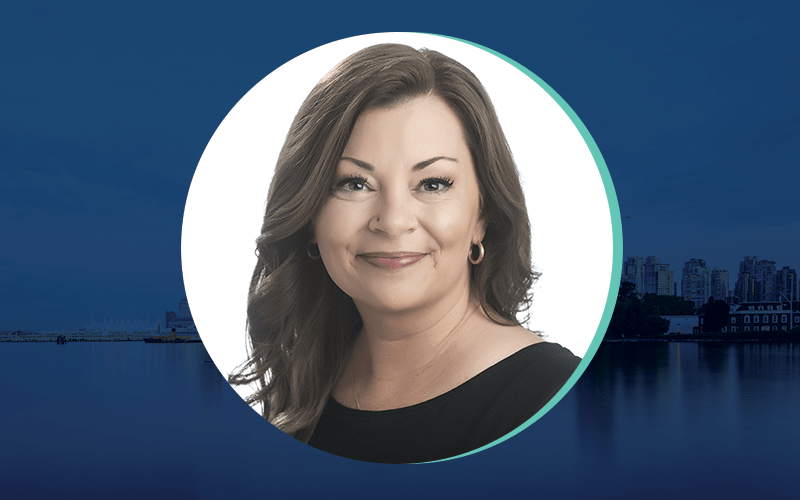
Christine Hall Discusses How Traumas of Childhood, COVID & Racial Tensions are Creating an Impact
Episode
Transitioning from in-person practitioner visits to online sessions has been presently surprising. As a specialist in trauma & couples...
Key takeaways
- When people respond with anger, recognize it as fear-based behavior rooted in unmet needs for safety and security, especially during uncertain times like COVID-19.
- Lean into the discomfort of being wrong and listen with compassion rather than calling people out publicly, as we all carry belief systems shaped by our backgrounds and systems we grew up in.
- Boundaries are flexible and fluid, changing based on context and daily circumstances, so give yourself grace when learning to assert healthy boundaries as it's a process of finding balance.
- Working with your hands through creative activities like art, gardening, or cooking helps recharge your brain during high-stress periods when you're constantly thinking and problem-solving.
- When seeking a counselor, always ask about their training background, years of schooling, and specializations during the free consultation, as the term "counselor" is unlicensed in BC and qualifications vary widely.
Transcript
Full transcript page · Interactive episode
============================================================
TRANSCRIPTION WITH SPEAKERS
============================================================

[00:00] SPEAKER_01: It's VanCouver's Podcast on the Canada's Podcast Network.
[00:05] SPEAKER_02: Hello everyone, I'm Angela Faye, Hub Builder and Co-host of British Columbia's Podcasts.
[00:12] SPEAKER_02: Part of the Canada's Podcast Network, you've source for great insights from entrepreneurs
[00:17] SPEAKER_02: from across Canada.
[00:18] SPEAKER_02: We talked entrepreneurs who are making it happen here so you can listen, discover and engage.
[00:24] SPEAKER_03: Super excited to welcome Christine Hall with us today.
[00:28] SPEAKER_03: Christine Hall is a registered clinical counselor and she has her masters of art and counseling
[00:33] SPEAKER_03: psychology.
[00:34] SPEAKER_03: She is a practicing psychologist and I have the privilege of working alongside Christine
[00:39] SPEAKER_03: and a co-wrote in space.
[00:40] SPEAKER_03: So I've gotten to know her pretty well.
[00:42] SPEAKER_03: We're both Leo's, have the same birthday.
[00:44] SPEAKER_03: I know that she's super colorful so I look forward to introducing you to her.
[00:50] SPEAKER_03: Christine, welcome.
[00:51] SPEAKER_03: Thank you.
[00:52] SPEAKER_03: Thanks for having me, Angie.
[00:54] SPEAKER_03: Let's talk a little bit about your entrepreneurial journey.
[00:57] SPEAKER_03: I always find it interesting when practitioners are managing their business independently as
[01:03] SPEAKER_03: an entrepreneur, as opposed to within a system.
[01:07] SPEAKER_03: So can you share a little bit about your journey?
[01:09] SPEAKER_01: That's a really good question.
[01:11] SPEAKER_01: Why do practitioners choose to work independently?
[01:15] SPEAKER_01: I have very strong beliefs around this.
[01:18] SPEAKER_01: A lot of systems are really slow to change.
[01:21] SPEAKER_01: That's something that I have always sort of struggled with.
[01:24] SPEAKER_01: I actually just recently wrote a blog on entitles.
[01:28] SPEAKER_01: We've always done it this way because that is a statement that drives me crazy.
[01:33] SPEAKER_01: And one we're dealing with things like mental health issues, you know, there's trends, right?
[01:39] SPEAKER_01: Right now we're dealing with the followed of COVID.
[01:42] SPEAKER_01: That's a trend.
[01:43] SPEAKER_01: So if we're going with protocols and procedures that were in place 20 years ago, they're
[01:48] SPEAKER_01: not really relevant now.
[01:50] SPEAKER_01: And so when we're working with systems like the health authorities and, you know, I
[01:55] SPEAKER_01: don't want to hack on the health authorities, but things are very slow to change.
[01:59] SPEAKER_01: So, you know, if there's a trend with stuff with social media, with young people nowadays,
[02:05] SPEAKER_01: right?
[02:05] SPEAKER_01: These kind of trends can happen so quickly that by the time we get approval for the higher
[02:10] SPEAKER_01: ups of implementing, say, you know, a relevant group therapy program or something like that,
[02:17] SPEAKER_01: you know, that could have heard.
[02:19] SPEAKER_01: Right.
[02:21] SPEAKER_01: And so it's those kind of things that drive me crazy.
[02:23] SPEAKER_01: I used to work for youth and family agency in Couchin and I had a phenomenal, I have
[02:29] SPEAKER_01: to give her a blood, I had a phenomenal executive director there, Michelle Bell.
[02:33] SPEAKER_01: And what I loved about her is whenever I would come to her and it'd say, look, I'm noticing
[02:37] SPEAKER_01: this with the families I'm working with.
[02:39] SPEAKER_01: And it just seems more effective if I can get them all in one room.
[02:43] SPEAKER_01: And I can implement the same curriculum to everybody at the same time.
[02:47] SPEAKER_01: And you know, she they sure do you want to take that on?
[02:50] SPEAKER_01: Absolutely.
[02:50] SPEAKER_01: I'll take it on.
[02:51] SPEAKER_01: I'll write all the curriculum and, you know, within two weeks, I'd be able to deliver the
[02:55] SPEAKER_01: content.
[02:56] SPEAKER_01: So that's the kind of stuff that I get really passionate about.
[03:00] SPEAKER_01: So I hate the roadblocks of working for systems within systems within systems that are
[03:06] SPEAKER_01: very slow to change.
[03:08] SPEAKER_03: And hence you've decided to work independently.
[03:11] SPEAKER_03: But let's talk a little bit about how you even decided to be a counselor.
[03:15] SPEAKER_03: I mean, this is a personal personal journey and story, is it not?
[03:19] SPEAKER_01: It is.
[03:20] SPEAKER_01: And there's a lot, there's sort of a lot of moving pieces as to what came together for
[03:25] SPEAKER_01: me.
[03:25] SPEAKER_01: My practice is called Black sheep counseling.
[03:28] SPEAKER_01: I've always felt like the outsider in my family, that Black sheep.
[03:31] SPEAKER_01: So I've always gravitated towards people in communities that have sort of been others
[03:36] SPEAKER_01: as well.
[03:37] SPEAKER_01: I became immersed in the queer culture at 15.
[03:40] SPEAKER_01: I used to hang out at gay bars at 15.
[03:43] SPEAKER_01: You know, which, you know, I don't promote that as young people to be hanging out in bars.
[03:49] SPEAKER_01: But really, the gift that that provided for me at that time was a sensible longing, right?
[03:56] SPEAKER_01: Because we were embraced.
[03:58] SPEAKER_01: It was me and a bunch of sort of alternative teenagers.
[04:01] SPEAKER_01: And we were really embraced and we felt safe.
[04:04] SPEAKER_01: You know, we were kind of the kids in the room and it felt good.
[04:08] SPEAKER_01: And it felt good.
[04:08] SPEAKER_01: So, you know, really we're all looking for that sensible longing.
[04:12] SPEAKER_01: And unfortunately, you know, some young people do sort of have a tattoo towards gangs
[04:16] SPEAKER_01: for this exact reason, right?
[04:19] SPEAKER_01: Or towards, you know, drug culture for that exact reason.
[04:23] SPEAKER_01: So there's that piece.
[04:25] SPEAKER_01: And I always worked in environments too that were sort of like a little sort of fringy.
[04:29] SPEAKER_01: I worked in the film industry and back then in the early 90s, I'm aging myself.
[04:34] SPEAKER_01: I was the only female that worked in the art department at that time.
[04:38] SPEAKER_01: So again, I was kind of like on the outside and having to prove myself.
[04:42] SPEAKER_01: Or I got a job because somebody wanted to sleep with me.
[04:44] SPEAKER_01: And you know, there was always that kind of that extra step to prove myself.
[04:49] SPEAKER_01: The same thing with working in the bar industry.
[04:52] SPEAKER_01: I worked in the bar industry for a really long time.
[04:54] SPEAKER_01: And back then, there were no female bartenders.
[04:58] SPEAKER_01: I was told that I couldn't bartend because chicks cry.
[05:02] SPEAKER_01: And it's so funny.
[05:03] SPEAKER_01: You go into a bar now and it's predominantly females that are behind the bar.
[05:07] SPEAKER_01: But back then, it wasn't like that.
[05:09] SPEAKER_01: And so again, it was always like, oh, damn it.
[05:12] SPEAKER_01: Like I'm a bit of a social justice warrior here.
[05:15] SPEAKER_01: So as soon as something leaks of like discrimination, I'm right there.
[05:22] SPEAKER_01: And you know, being in the bar industry too, you meet.
[05:25] SPEAKER_01: You know, bartending is kind of like junior counseling anyways.
[05:29] SPEAKER_03: I have worked in many a pub and hospitality myself.
[05:31] SPEAKER_03: So I can relate absolutely.
[05:34] SPEAKER_01: And I like that.
[05:35] SPEAKER_01: And you know, one of the things that that taught me was I love to hear people's stories, right?
[05:40] SPEAKER_01: I always kind of felt like we can learn something from every single person that we need,
[05:46] SPEAKER_01: whether we want to or not.
[05:47] SPEAKER_01: Sometimes it's something that we're seeking to learn.
[05:51] SPEAKER_01: But I think that just made me really interested in human beings and their story.
[05:58] SPEAKER_01: And the resiliency of the human spirit is really quite remarkable.
[06:03] SPEAKER_03: It is.
[06:04] SPEAKER_03: Well, and this is a good time to be talking about that.
[06:06] SPEAKER_03: I just want to ask a little bit about really your focused areas are trauma and couples counseling.
[06:13] SPEAKER_01: Traum and couples counseling, which there's a lot of crossover in that.
[06:18] SPEAKER_01: So, you know, a lot of couples sort of, they struggle with connection.
[06:22] SPEAKER_01: And it's because they lack the understanding of the other person's worldview, right?
[06:27] SPEAKER_01: So when we know better, I really feel like we can do better.
[06:30] SPEAKER_01: So if I understand that you, Angie, has a trigger around a certain thing or a certain behavior,
[06:37] SPEAKER_01: then I'm not going to take that personally when you get upset, right?
[06:41] SPEAKER_01: I'm not going to look at you and go, geez, what's your problem?
[06:43] SPEAKER_01: I'm going to go, oh, that's her thing.
[06:45] SPEAKER_01: Yes, she, you know, that she doesn't like dogs or whatever, right?
[06:49] SPEAKER_01: And so when I work with couples, oftentimes, I'll find out that, you know, maybe one of them
[06:55] SPEAKER_01: had a traumatic past or they had, you know, a childhood that was sort of, you know,
[07:01] SPEAKER_01: entrenched in chaos and stuff like that.
[07:03] SPEAKER_01: So those early life experiences really shape how we show up in later relationships.
[07:09] SPEAKER_01: And so, you know, when I can sort of work in both those worlds, I find that not just the relationship
[07:16] SPEAKER_01: between the couple is enhanced, but the relationship within oneself is enhanced because they start
[07:22] SPEAKER_01: to understand and they have more compassion for self and for others.
[07:26] SPEAKER_03: Well, one thing that you and I have sort of talked about over the coffee pot is maybe when there's
[07:33] SPEAKER_03: not quite such a self-awareness is always a challenge. So you might not know what your triggers are
[07:40] SPEAKER_03: or what you might need is when you get triggered, you need the other person to step up and actually not
[07:47] SPEAKER_03: be empathetic as opposed to confrontational or saying that's not what I need when you're being triggered.
[07:55] SPEAKER_03: How do you navigate that as a counselor?
[07:59] SPEAKER_01: Well, and that's something that I'm laughing a little bit because the concept of boundaries
[08:04] SPEAKER_01: always comes up, right? Whether it's personal work or it's in couples therapy. And what if somebody,
[08:11] SPEAKER_01: you know, hasn't learned how to assert healthy boundaries and that's the journey that we're on is
[08:16] SPEAKER_01: learning healthy boundaries. It's always funny because if you have loose boundaries or really
[08:21] SPEAKER_01: rigid boundaries and then we start to unpack this, oftentimes people will go to the opposite end
[08:27] SPEAKER_01: of this backdrop. It's like if you were saying yes to everybody, all of a sudden you're like, no,
[08:32] SPEAKER_01: hard no, hard no. I do think that we need to have a little bit of grace and humor with this because
[08:39] SPEAKER_01: it is a learning process. It's sort of like when people quit smoking, they're the hardcore,
[08:43] SPEAKER_01: don't smoke around these people, right? And to just recognize that it is a process, right?
[08:50] SPEAKER_01: So, you know, it's kind of like Goldilocks. We're trying to figure it out. We were a little too much
[08:54] SPEAKER_01: in this area. And maybe now, right now, we're sort of exploring the opposite side. And then we're
[09:00] SPEAKER_01: going to try to figure it out what feels right and connecting that. Am I doing a hard no because I've
[09:06] SPEAKER_01: decided I'm asserting healthy boundaries? Or is it am I? No, is it? You know what? Actually, I'm okay
[09:12] SPEAKER_01: with that. Yesterday I wasn't, but I've checked in with myself and my body sensation and I'm okay
[09:19] SPEAKER_01: with saying yes today. So just because we said no tomorrow doesn't mean that we, you know, boundaries
[09:24] SPEAKER_01: are so flexible and fluid that they change all the time. You know, what's what's fine one day might
[09:30] SPEAKER_01: not be the next day because, you know, your kid was sick all night and you're sleep deprived.
[09:35] SPEAKER_03: And I guess that's bringing in context and of what's happening around you and how you respond to
[09:41] SPEAKER_03: things, which I think is app timing to jump in. You and I were talking about I'm just going to read
[09:48] SPEAKER_03: sort of a little bit of dialogue between us about the importance of, you know, being in a tribe,
[09:55] SPEAKER_03: which we talked about the gangs, the group that where you can feel comfortable and be yourself.
[10:00] SPEAKER_03: But when we're looking at behaviors that are rooted in shame or attacking other people
[10:07] SPEAKER_03: to discharge pain and shame, I wanted to talk about that a little bit today because,
[10:12] SPEAKER_03: as you and I discussed earlier, is, you know, sometimes you're the one going through shame or pain or
[10:19] SPEAKER_03: guilt and you need your tribe to sort of step up and support you in those moments.
[10:25] SPEAKER_03: The challenge in this day and age today and I understand that this too shall pass, but today is
[10:31] SPEAKER_03: everybody is experiencing some level of pain and shame in this post-COVID era or in it,
[10:40] SPEAKER_03: sorry, not post-COVID, we're in this COVID era where there's massive disruption.
[10:46] SPEAKER_03: So whether it's, you know, parents now having to take on role of teachers and, you know, time,
[10:53] SPEAKER_03: I mean, there's just more being dealt with, you're working for home, you're having to deal with
[10:58] SPEAKER_03: the partner more hours than a day than you might be comfortable with, to first responders,
[11:04] SPEAKER_03: to healthcare practitioners like yourself who are, you know, really dealing with a different
[11:09] SPEAKER_03: level of intensity and but everybody's going through it. So how to cope and how to put some
[11:18] SPEAKER_03: context from your perspective around how to behave so that we're not sort of discharging shame and blame
[11:25] SPEAKER_03: and keeping some personal accountability in this role, I call it the COVID-Coster time.
[11:32] SPEAKER_01: Yeah, so I have lots to say about this. So I think one of the first things is to recognize that
[11:41] SPEAKER_01: this COVID thing is inducing fear because it's uncertainty. The reality is life is really
[11:48] SPEAKER_01: full of uncertainty but this is particularly, you know, it's right in our face uncertainty.
[11:55] SPEAKER_01: Well, we ever get to go on vacation again, will we ever get to be in the classroom again?
[12:01] SPEAKER_01: Can we hug our loved ones? Like, you know, there's a lot of pieces to that and when we,
[12:06] SPEAKER_01: you know, when we've gone through trauma and when we have scary things happen, there can be a real
[12:14] SPEAKER_01: desire for certainty like right wrong, black white, you know, I'm rejecting all of the advice from
[12:24] SPEAKER_01: the health professionals with COVID or oh my god, I'm calling out everybody in my building because
[12:30] SPEAKER_01: they're not following the rules, right? So I think it's good to recognize that this is fear
[12:37] SPEAKER_01: induced behavior, right? When somebody comes at us, you know, anger is generally a secondary
[12:43] SPEAKER_01: emotion. So anger is an intense reaction to an unmet need. But now we have a lot of a similar
[12:50] SPEAKER_01: unmet needs around we want safety and security. Those are basic needs, right? And we don't have that.
[12:58] SPEAKER_01: And so, you know, instead when somebody comes at us with anger, our response is anger, right?
[13:03] SPEAKER_01: So if you came at me with anger, I'd be like, where does she get off, right? It makes us defensive.
[13:09] SPEAKER_01: But if you came at me and said, you know, gosh, I am just so scared right now. Of course, I wouldn't
[13:15] SPEAKER_01: respond to you in anger. So it's sort of zooming out a little bit and recognizing that when we get
[13:22] SPEAKER_01: these sort of angry outbursts from people and there's so much of it right now, so much of it with
[13:27] SPEAKER_01: whether, you know, you're doing this for COVID and the other person isn't the Black Lives Matter.
[13:33] SPEAKER_01: You know, all of these biases and race wars that are kind of going on, right?
[13:38] SPEAKER_01: Is recognizing and, you know, we all get triggered. I get triggered too. I get triggered too.
[13:44] SPEAKER_01: I'm a fear social justice warrior. So I get, you know, I recognize that in myself. So recognizing
[13:50] SPEAKER_01: your own stuff is a big piece of it, right? I'm being first. I'm a therapist, but I'm a human being
[13:56] SPEAKER_01: first. You know, I have my own emotional reactions to stuff. So it's, it's, you know, being curious
[14:03] SPEAKER_01: about what's going on for you, right? Resisting the desire for certainty and just recognizing that,
[14:10] SPEAKER_01: you know, we're all in this place of uncertainty. And can we lean into the discomfort a little bit
[14:16] SPEAKER_01: with some grace and recognize that if we're scared, then our neighbors, you know, stand to reason
[14:24] SPEAKER_03: our neighbors scared too. Well, and that's something that, you know, and I just want to acknowledge that,
[14:31] SPEAKER_03: you know, for those families and people that are directly impacted by COVID from a health
[14:35] SPEAKER_03: perspective. And, you know, I'd like to acknowledge them. And my heart goes out to them as well.
[14:41] SPEAKER_03: You know, touch wood, I have not been directly impacted from a health perspective with COVID. So,
[14:47] SPEAKER_03: you know, the, the intense fear factor isn't there for me because I haven't visualized it other
[14:51] SPEAKER_03: than what's on TV in the media. But yeah, I am constantly shocked when I have a conversation on Zoom,
[14:59] SPEAKER_03: mostly with friends internationally in Australia and the UK and the US is everybody is impacted.
[15:06] SPEAKER_03: Either their jobs are part time or their job structure has completely changed. They're remote
[15:12] SPEAKER_03: working. They're feeling isolated. They're fighting with a partner or they're struggling with
[15:15] SPEAKER_03: parenting. Like I said, all those, all those things is everybody is directly impacted.
[15:20] SPEAKER_03: One thing that you mentioned earlier that I'd love you to touch on is the call-up culture.
[15:26] SPEAKER_03: What does that mean? And how can we try that? So, that might mean that I'm scrolling on social media
[15:32] SPEAKER_01: and I see that you post something like, all lives matter. You know, I might have a different
[15:38] SPEAKER_01: response to that. But instead of pulling you aside and saying, hey, you know, have you considered
[15:44] SPEAKER_01: XYZ? Instead, I, you know, go on a tie-rate on your social media wall and, you know, shame the
[15:52] SPEAKER_01: crap out of you and tell you that you know nothing and how dare you. And so, you know, when it comes
[15:58] SPEAKER_01: to these kind of things, we're all learning and growing. I, you know, even before the Black Lives
[16:03] SPEAKER_01: Matter movement really happened this year, I mean, it's been going on for a long time. But when it
[16:08] SPEAKER_01: really sort of with George Floyd's death, I belong to a network of therapists called
[16:15] SPEAKER_01: Accelerated Experential Dynamics Psychotherapist. And it's a worldwide listservent I belong to.
[16:21] SPEAKER_01: And starting in about September, October, last year, we've had this ongoing dialogue around
[16:27] SPEAKER_01: white fragility. It has gotten heated. It has been absolutely fascinating and heartbreaking and
[16:36] SPEAKER_01: so informative. You know, it's, it's uncomfortable. There's people of all different cultures and
[16:45] SPEAKER_01: races, nationalities that are part of this listserv. And there has, you know, even amongst therapists,
[16:51] SPEAKER_01: there's been some of this call out culture. And, you know, I think that we have to lean into the
[16:57] SPEAKER_01: discomfort of being wrong because it's not like I have this belief. I know that some of the
[17:03] SPEAKER_01: belief systems that I, I have that are embedded in me came from the system itself. It came from,
[17:11] SPEAKER_01: you know, I grew up in a British household. I was raised in Canada. I spent a lot of time
[17:17] SPEAKER_01: living in the queer community. There's all of these things that impact our value and belief
[17:23] SPEAKER_01: system. We think that they're uniquely our own, but they're not. They're really not. And so if we
[17:29] SPEAKER_01: just step back and not tell somebody else what their belief system is or what their experience has
[17:37] SPEAKER_01: been or how it should impact them, if we can just actually listen with some compassion and some
[17:46] SPEAKER_01: and choose to uphold their dignity, you know, this is how we're going to get over these little
[17:50] SPEAKER_01: barriers. I do a lot of work with First Nations people and I can, I can tell you with 100%
[17:58] SPEAKER_01: certainty that every session I do with the First Nations person, I learn something. And oftentimes
[18:03] SPEAKER_01: it's heartbreaking, but I choose to lean into that discomfort so I can show up and do better.
[18:11] SPEAKER_03: I don't get it perfect. Could you elaborate on the concept of white fragility?
[18:16] SPEAKER_01: So it's just recognizing that if somebody, you know, a gay pride parade or, you know, a Black
[18:24] SPEAKER_01: life matter protest or something like that, where, you know, a white person may say, well,
[18:29] SPEAKER_01: aren't you over it yet? And this is silly. And, you know, we don't have this. And, you know,
[18:34] SPEAKER_01: well, that was my ancestors. And so I never own slaves. Well, of course you didn't. But
[18:40] SPEAKER_01: doesn't mean that we don't have systemic racism that still impacts all of us today, right?
[18:47] SPEAKER_01: And intergenerational trauma that impacts all of us today. When I first started unpacking this,
[18:54] SPEAKER_01: this staff I lived in the Cowachian community about 10 years ago and was working in the Cowachian
[19:00] SPEAKER_01: community. And I went through like a lot of shame. I really had to unpack a lot of stuff as more
[19:09] SPEAKER_01: information became apparent to me that I didn't know enough about Canada's First Nations history.
[19:17] SPEAKER_01: And, you know, that was part of me getting to the place that I'm at. And unfortunately,
[19:24] SPEAKER_01: that's usually what happens is we have to go through sort of this very uncomfortable,
[19:30] SPEAKER_01: holy crap. You know, not like, yes, I, you know, my parents, I'm First Generation Canadian.
[19:35] SPEAKER_01: My parents were colonizers, but we, their ancestors and their, you know, they were colonizers.
[19:43] SPEAKER_01: And I've, I've benefited my entire family has benefited from being here on Canadian soil.
[19:50] SPEAKER_01: And, you know, we need to recognize what that means and the sacrifices that other people
[19:56] SPEAKER_03: have had to bear. Absolutely. Let's talk a little bit about Canadian culture. You,
[20:03] SPEAKER_03: one unique thing about the Canada's podcast is we interview entrepreneurs from across Canada.
[20:10] SPEAKER_03: And, you know, we do have a unique culture here. So, and you're here on Vancouver Island,
[20:15] SPEAKER_03: you know, and there's different micro cultures within a community. Can you talk a little bit about
[20:21] SPEAKER_03: the opportunities and maybe challenges that you have in doing business? Let's talk maybe
[20:28] SPEAKER_03: first of all, Indie Nimo, which is your, your current community. And maybe even touch on Vancouver
[20:34] SPEAKER_03: Islander or BC in particular. So opportunities and challenges.
[20:38] SPEAKER_01: Whew. Well, I'm a city girl. And I've always lived in the downtown core of Vancouver. Mostly,
[20:45] SPEAKER_01: I lived in New York for a while. But I, I have found Vancouver Island quite a challenge. I,
[20:53] SPEAKER_01: I love it. And I was willing to sort of fight to be here. But I have to say I didn't find it easy.
[21:00] SPEAKER_01: I think that it's a hard community to make friends in. I hear this from a lot of my clients that
[21:07] SPEAKER_01: have relocated from somewhere else. I think it's a hard place to find a job. And so those,
[21:13] SPEAKER_01: those are legitimate struggles. I, I personally encountered and I hear from my clients as well.
[21:20] SPEAKER_03: And I kind of share that with you. I'm not sure what it is. Why? There's, and maybe goes back
[21:28] SPEAKER_03: in. Maybe that's why there's so many entrepreneurs here.
[21:31] SPEAKER_03: Out of necessity, right? Create our own job. Damn it. Exactly. What about opportunities that you've
[21:39] SPEAKER_01: seen that you've experienced? I, you know, I'm struggling on that one because I feel like
[21:44] SPEAKER_01: the opportunities that I've had, I've kind of created myself. You know, I had, I've had a very
[21:50] SPEAKER_01: clear vision of what I wanted for my practice. And, you know, I haven't necessarily been able to
[21:55] SPEAKER_01: find it here in Nanaimo, but I do, as you know, I do a lot of professional training. I'm a bit
[22:02] SPEAKER_01: of a training junkie. And so I create community, professional community that is all over the world.
[22:09] SPEAKER_01: And so that enhances my practice. I personally, and this is a shout out to other therapists. I would
[22:14] SPEAKER_01: love to have a community of therapists where we could do care supervision or get together once
[22:20] SPEAKER_01: a month and, and debrief and talk about trends and stuff like that. But I, I, I have that online.
[22:27] SPEAKER_01: But I would love to have it in person. And then network hub can accommodate that.
[22:34] SPEAKER_03: Actually, in yesterday, we just had a, a podcast or a working webinar on creating a social impact
[22:41] SPEAKER_03: wellness hub. And, you know, that, that topic of, of coming together was really important. So,
[22:49] SPEAKER_03: the importance of in person, I think, is what we're all lacking right now, right?
[22:53] SPEAKER_03: In time. Yeah. And how do you see, I mean, how, how is this environment affected how you engage
[23:00] SPEAKER_01: with your clients? Well, I'm, here I am talking about leaning into the discomfort and not being so
[23:06] SPEAKER_01: rigid. When COVID first hit, I wasn't keen about doing online therapy. I fully admit it. I was like,
[23:13] SPEAKER_01: oh, God, this, you know, especially with the nature of the work I do, I do a lot of semantics,
[23:17] SPEAKER_01: psychotherapy, which working with the body. And, you know, I work with the social engagement
[23:22] SPEAKER_01: system. So I thought this isn't really going to translate very well. And I've actually been
[23:28] SPEAKER_01: pleasantly surprised. I've had some incredibly fruitful sessions online. I've been able to do some
[23:34] SPEAKER_01: deeper work online that I didn't really think was possible. So that's been a bit of a shame.
[23:39] SPEAKER_01: Yeah, it has, I still much prefer being in physical contact with my clients.
[23:46] SPEAKER_01: And I've heard the same thing from other therapists too that we were sort of like, oh, I don't
[23:50] SPEAKER_01: want to do this. And gone, hey, now that I've got the hang of it, I'm glad it's more comfortable.
[23:55] SPEAKER_01: There is some kind of cool things about it too. So clients can use their, you know, their pet
[24:00] SPEAKER_01: to help, you know, to help regulate themselves. And, and, you know, they can curl up in their
[24:06] SPEAKER_01: dammies if they want. And there's those kind of pieces that are neat. And maybe that, you know,
[24:11] SPEAKER_03: being a home environment or a comfortable environment allows them to be more relaxed than coming into a,
[24:18] SPEAKER_03: yeah, you're right. Having to go through the effort of, of coming in to see a therapist, even though
[24:24] SPEAKER_03: I've got to say, you have the most colorful office ever. I love it. I wish I could showcase it here.
[24:31] SPEAKER_03: Fantastic. You know, it's hard not to be comfortable with chocolate and beautiful,
[24:36] SPEAKER_03: beautiful things around you in your office. So I love that.
[24:39] SPEAKER_01: Yeah. Well, I try to make it very nonclinical. My office is, yes, is, and one of the things,
[24:45] SPEAKER_01: because I do specialize in trauma is people that have had traumatic childhoods. It wasn't safe to
[24:51] SPEAKER_01: develop sort of that childhood sense of joy and like heartedness. And so I try to create that
[24:56] SPEAKER_01: in my office. It's not a serious office at all. It's not clinical. I want people to, you know,
[25:02] SPEAKER_01: take some delight in some silliness and some, you know, color and joy. It's a big part of healing
[25:09] SPEAKER_01: from childhood trauma is to, is, is play, the concept of play. Now working remotely, I would like
[25:17] SPEAKER_03: to suggest if you haven't already realized this, that suddenly the world is your oyster.
[25:21] SPEAKER_03: Is, is if you're getting to be comfortable with the online counseling. And I can imagine having
[25:28] SPEAKER_03: your office as a virtual background and, and, you know, you are absolutely delightful every day,
[25:34] SPEAKER_03: but your environment is delightful. And I, you know, I would love to connect you with more people
[25:38] SPEAKER_03: globally that could, that could take advantage of your energy is amazing. And you know, and it's
[25:43] SPEAKER_01: really funny. You say that because I've been getting so many messages lately of people that are
[25:47] SPEAKER_01: all over the world that want to work with me. But I'm actually, I can't. I'm not, you know, I'm not
[25:53] SPEAKER_01: in shirt to work globally. I'm not. It's to work globally. So it's one of those things that's like,
[25:59] SPEAKER_01: God, I'd love to. I got a message just this week from professional athlete actually. And he
[26:05] SPEAKER_01: shared some of his story. And it was like, oh, he's like the perfect person for me to work with. But
[26:10] SPEAKER_03: I can't. So that's a red tape issue. How do we overcome that, Christine? What, what's the, I don't
[26:16] SPEAKER_01: know. And I mean, if I, if I called myself like a life coach and stuff like that, then there's all
[26:21] SPEAKER_01: sorts of ways around that. But I just, you know, I have to work with the my, the scope of my practice.
[26:28] SPEAKER_01: And I certainly don't want to, I don't want to do anything that's unethical. Right. And so just,
[26:34] SPEAKER_03: let's just talk about that. So it typically, as a, as a counselor, you're licensed within a geography,
[26:39] SPEAKER_01: is that how it works? Like a trade? Yeah. So it's, you know, and it's, it's brutal in Canada,
[26:45] SPEAKER_01: because each province has sort of different. So we're actually unlicensed and busy. Anybody
[26:51] SPEAKER_01: can call themselves a counselor, which is terrifying. So you could put up a shingle and say, I'm a counselor.
[26:58] SPEAKER_01: counselor. And so what happens is, you know, the general public assumes that we're all vetted in
[27:04] SPEAKER_01: the same way, right? That we've, you know, we've either gone, however many clinical hours before
[27:09] SPEAKER_01: certification and all of that. But the reality is that's not true. So there's somebody that could do,
[27:15] SPEAKER_01: you know, nine months, addictions, counseling course and say that I, they're a counselor.
[27:21] SPEAKER_01: And then there's somebody else that could do 10 years of university that's a counselor.
[27:25] SPEAKER_01: If you don't know what those letters behind the name mean, right? Then, so it's, it's one of those
[27:31] SPEAKER_01: tricky things. So Alberta and Ontario have much better governing bodies than we do here. We've
[27:39] SPEAKER_01: been bushing for like, I think 10 or 20 years in BC and they keep saying it close, it's close.
[27:45] SPEAKER_01: But that's something actually that the general public should be more aware of. Every counselor, myself,
[27:51] SPEAKER_01: included, we give, you know, a free 15, 20 minute phone call or or check in or whatever. And those
[27:58] SPEAKER_01: are great questions to bring to people. What is your training background? How many years did you go
[28:03] SPEAKER_01: to school? Is there something you specialize in? Because it, you know, if we don't, if we make
[28:08] SPEAKER_01: the assumptions, kind of like, if you go to your GP, you know that he's, you know, a general
[28:12] SPEAKER_01: practitioner, right? And you, you, you know that he's done, you know, X number of years of training.
[28:17] SPEAKER_01: But it's not the same for the term counselor, unfortunately. When you referred to your license
[28:23] SPEAKER_01: and it's not BC based, it is BC space. So I'm a registered clinical counselor in BC. So BC,
[28:31] SPEAKER_01: BC, BC Association of Registered Clinical Counselors is what my title is. And yes, we have to do,
[28:39] SPEAKER_01: yeah, I have a master's degree and they make sure that you've done specific courses like human
[28:45] SPEAKER_01: development and psychopathology and canning remembroral of the merchant counseling. And you have
[28:54] SPEAKER_01: to do so many hours. So before I became a counselor, I've actually done 2000 hours of free counseling.
[29:00] SPEAKER_01: Wow. Which is interesting too, right? When you look at somebody like, you know, in other fields,
[29:06] SPEAKER_01: they actually get paid for those, you know, those internships. Right. Not with what I do.
[29:13] SPEAKER_03: Right. Gotcha. Let's just kind of redirect back to on a personal note. What, how do you refresh
[29:20] SPEAKER_03: and recharge and stay energized in order to be able to serve others? I like to do a lot of artwork.
[29:30] SPEAKER_01: I like to work with my hands. And you know, it's an interesting thing because currently in the
[29:35] SPEAKER_01: midst of COVID, we're noticing, they're doing some research on it. It's obviously very preliminary.
[29:41] SPEAKER_01: But because there's these zoom meetings and this kind of stuff and we're constantly thinking about,
[29:46] SPEAKER_01: did I get my mask? I've got to go to the store. Oh, did they take bags there? Do I have to bring my
[29:50] SPEAKER_01: own? We're constant. We're thinking more than we normally were, which is all of the, the
[29:58] SPEAKER_01: brain, which is really, really draining. And so what we need to do is sort of work with and,
[30:05] SPEAKER_01: we want to tap into anything that's creative. So whether it's gardening or knitting or cooking or
[30:12] SPEAKER_01: baking or painting and these kind of things, you know, nature, I know you're a nature lover,
[30:17] SPEAKER_01: those are the ways that we can recharge. We need to really simplify things down. So we actually
[30:23] SPEAKER_03: can maximize the neocortex when we need to. And so you personally, I mean, I'll give you a
[30:31] SPEAKER_03: plug that your color endorses our walls or is, is on our walls right now at the co-working space. But
[30:38] SPEAKER_03: also, and we're going to probably be doing some painting. But is there anything from a motivational
[30:45] SPEAKER_03: inspirational point of view that you could suggest to people to read or a source of, of inspiration
[30:53] SPEAKER_03: that you take on that you'd love to share with others? Well, I have a Facebook page, Black
[31:00] SPEAKER_01: Sheep Council, I post a lot of stuff there and I tend to get inspired by the things that I'm
[31:05] SPEAKER_01: seeing in my office. So if I have a bunch of people in my office that are talking about something
[31:10] SPEAKER_01: specific, then I will, you know, sometimes I'll write a blog or I'll find content that
[31:16] SPEAKER_01: that speaks to what's showing up. But you know, you don't, you don't just have to follow me,
[31:20] SPEAKER_01: follow it. I'm not on Instagram, but follow therapists on Instagram and stuff like that.
[31:26] SPEAKER_01: Those are really, really helpful sources and it's free. Why not? And then it can spur you
[31:31] SPEAKER_01: on to something else, right? You might think, oh, I didn't even know that maybe these are some of
[31:36] SPEAKER_01: issues I'm contending with. And there's a book recommendation here. Is there anything that you're
[31:41] SPEAKER_01: reading right now? I'm actually reading ethical porn for Dix. Ah, okay, what is that one all about?
[31:53] SPEAKER_01: There's always a battle with porn in, I would say pretty much all of my couples counseling.
[32:01] SPEAKER_01: And it becomes this whole thing about how dare you and human trafficking and it's
[32:06] SPEAKER_01: demeaning to women and all of this kind of stuff. You know, the reality is a lot of porn is,
[32:12] SPEAKER_01: right? And so I think then it becomes this whole thing about values and beliefs and human rights
[32:17] SPEAKER_01: and dignity. But there, you know, there needs to be another conversation about rather like again,
[32:23] SPEAKER_01: stirring away from the black and white way of thinking and looking at it through the lens of
[32:28] SPEAKER_01: is there ethical porn? Actually, there is. There is. And so can we explore that and cannot be part
[32:34] SPEAKER_01: of the conversation rather than how dare you and I'm going to bloody well do it, right? Right. So
[32:40] SPEAKER_01: I think that that needs to be a conversation. That's one that I'm fostering and a lot of my
[32:45] SPEAKER_03: couples counseling right now. I'll just throw out there that I think a whole nother podcast and
[32:50] SPEAKER_03: conversation around sexuality and sensuality and the, you know, it's a basic human need and
[32:56] SPEAKER_03: our culture has, you know, suppressed it or, or, you know, it's become objectified in so many ways.
[33:03] SPEAKER_03: And yet it's something that we all need to tap into. Yeah, it's not going to go away. I mean,
[33:09] SPEAKER_01: when we look at Asian civilizations, you know, we look at the walls of Pompeii and stuff like that.
[33:14] SPEAKER_01: I mean, they had porn on their walls. So it's not that porn is a new thing. Okay, so that is
[33:21] SPEAKER_03: another conversation for us to have later. But so from today, how can people get a hold of
[33:26] SPEAKER_01: you? Christine, the best way is, well, they can email me at Christine at blacksheepcounseling.com.
[33:34] SPEAKER_01: They can check out my website, www.blacksheepcounseling.com. And counseling is spelled the Canadian way with
[33:41] SPEAKER_01: two Ls. All my American therapists friends always spell it wrong. You can check out my Facebook page.
[33:49] SPEAKER_01: You can call or text me at 250-667-228 or you can pop into the network hub and say hi to Angie and ask
[33:58] SPEAKER_03: if I'm in. Awesome. Christine, it has been an absolute pleasure. We talked about a lot of different
[34:03] SPEAKER_03: things today. But I think super relevant and and very apt for this day and age. It has been a
[34:09] SPEAKER_03: pleasure. I always get super energized talking to you. So yeah, thanks again for joining us on the
[34:14] SPEAKER_02: podcast. Okay, thanks Angie. Bye. Thanks for taking the time today to listen to British Columbia's
[34:21] SPEAKER_02: podcast on the Canada's podcast network. We hope you enjoyed the show today. Make sure you sign
[34:26] SPEAKER_02: up for our newsletters and write a review for us on iTunes. Connect with us on Twitter, Facebook,
[34:33] SPEAKER_02: Instagram, LinkedIn or at Canada'spodcast.com. You can check out what other entrepreneurs are doing
[34:39] SPEAKER_02: across the country. I'm Angela Faye. See you next time.