
Carl Fransen is Proof of Concept That Leveraging Cloud Technology is the Future & Encourages Other CEO’s to Embrace Working from Anywhere
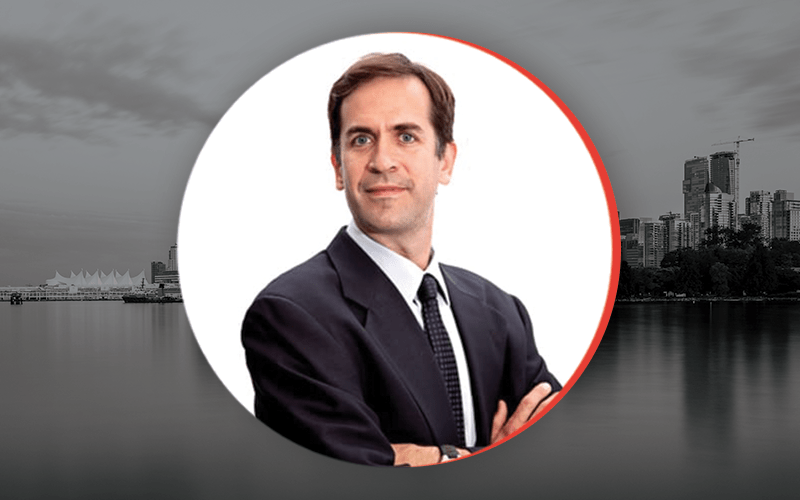
Episode
Carl Fransen is CEO, Entrepreneur, System Architect, Public Speaker, Author and World Traveler with over 22 years of progressive...
Key takeaways
- Technology enables anyone to access any information, anywhere, at any time, on any device, to collaborate with anyone in the world, fundamentally changing how and where we work.
- Successful technology adoption requires proving the concept works for your own business first before selling it to clients, and guiding them through the change management process rather than just implementing systems.
- The future of work involves re-ruralization, where people can work for companies anywhere in the world while living in smaller communities that offer better quality of life, closer access to nature, and stronger human connections.
- Businesses must continuously listen to their clients' pain points and adapt their operations to stay competitive, as those who embrace new technology will have significant advantages over those maintaining traditional mindsets.
- While technology enables remote work and global collaboration, the human need for face-to-face interaction, social connection, and time in nature remains essential and cannot be replaced by digital tools.
Transcript
Full transcript page · Interactive episode
============================================================
TRANSCRIPTION WITH SPEAKERS
============================================================

[00:00] SPEAKER_01: Welcome to Canada's Podcast, the number one podcast for entrepreneurs by entrepreneurs.
[00:08] SPEAKER_01: Hi, this is Angela Fae from Canada's podcast. Joining me today is Carl Franson from CTECH,
[00:16] SPEAKER_01: who ironically is actually not just around the corner for me here in the NIMO British Columbia,
[00:23] SPEAKER_01: but that's a recent move. So that's part of what we're talking today about is remote work
[00:30] SPEAKER_01: and kind of working from anywhere. What is happening now in the world as we know it? But let's
[00:37] SPEAKER_01: start off with Carl, can you give me a little bit of insight on your entrepreneurial journey to date?
[00:42] SPEAKER_00: Angela, thank you for having on your podcast. It's always a treat talking with you and hanging
[00:45] SPEAKER_00: over with you and to answer your question, my entrepreneurial journey is started back after
[00:52] SPEAKER_00: two and a half years of backpacking around the world. I visited over 40 countries, 250 cities,
[01:00] SPEAKER_00: and when I go back to home to Calgary, I realized I had no fear of the unknown and it was quite
[01:05] SPEAKER_00: extraverted at the time. So back in the year 2000, I started up the CTECH group and in the first three
[01:13] SPEAKER_00: months, I made $800 in three months and how can you turn your back on that kind of money?
[01:19] SPEAKER_01: And but there was a lot of time we received a check. It's for it entrepreneurs like, you know,
[01:24] SPEAKER_00: and you're giving up on my wall right now. But unfortunately, I went for food and for rent at the time.
[01:30] SPEAKER_00: But I did have a goal of mind. I wanted to create a new type of experience for my clients by giving
[01:37] SPEAKER_00: my texts or my people who work for me the best tools to do their job effectively and efficiently.
[01:46] SPEAKER_00: And that's one thing that we kept going through the past 20 years that CTECH has been around
[01:50] SPEAKER_00: is that mindset of always being on the current edge and in diving, headfirst actually into that
[01:56] SPEAKER_00: of that area. And it has been around three to four evolutions of CTECH as I progressed through
[02:05] SPEAKER_00: those 20 years, always trying to look for the bigger, better, faster, stronger, but always keep in
[02:10] SPEAKER_00: mind what the clients are really asking you for. They're telling you the answer to the test and
[02:15] SPEAKER_00: you have to basically adapt your business continuously to what they actually need.
[02:20] SPEAKER_01: Absolutely. Can you give us a quick, what are the three iterations of CTECH today? I mean,
[02:25] SPEAKER_01: we're talking 20 years ago with start, right? I know what. Back when I was your age,
[02:31] SPEAKER_00: computer for all the rage. And there was one computer at a desk and you had to walk into the office
[02:40] SPEAKER_00: and actually do work that way. And that was supposed to be good. That's four to a couple years.
[02:45] SPEAKER_00: So suddenly we have some kind of like this VPN, RDP remote, remote access kind of stuff.
[02:51] SPEAKER_00: So now that people are actually able to work a little bit remotely. And there's a lot of limitations,
[02:56] SPEAKER_00: a lot of problems with that, but it evolved over that time frame.
[03:01] SPEAKER_00: And slowly we say, you what? It's not something you want to server. It's like 10 servers,
[03:06] SPEAKER_00: I can say you want to server but everything onto that one server. Do not have,
[03:09] SPEAKER_00: now I have the reduced amount of hardware. Okay. That's something I learned.
[03:13] SPEAKER_00: But I think the last iteration I'm going to talk about right now is kind of the most important
[03:19] SPEAKER_00: because it's here today. And COVID gave it an artificial push around two to three years.
[03:27] SPEAKER_00: It's normal take but into the future. It's the cloud right now. Everyone knows the cloud or has a month here
[03:33] SPEAKER_00: right now. It's called the modern workplace. And now that we're seeing businesses actually be able to
[03:38] SPEAKER_00: take advantage of this new cloud technology. And what reform it may be to enhance their business.
[03:45] SPEAKER_00: So I had to continuously evolve change and adapt my staff to learn what I've got 25 years
[03:52] SPEAKER_00: experience that are going obsolete right now because they have not learned the new stuff as
[03:58] SPEAKER_01: right yet. Right. Yeah. Well, can you and I realize it's very difficult to predict the future,
[04:05] SPEAKER_01: but I had a visual analogy the other day as I'm listening at the sacred how you're driving down
[04:12] SPEAKER_01: the road in the dark and your lights are ahead of you. And you know, you just have to trust that
[04:16] SPEAKER_01: the road is going to keep, you know, keep going beyond what you can see in the headlights. But if you
[04:22] SPEAKER_01: could just describe the, you know, what you see in the headlights from 2021 ahead, how will that
[04:31] SPEAKER_00: shape how Ctech operates? You know what, the technology was start further in a way as the
[04:37] SPEAKER_00: company actually knows how to build the roads. We're able to know where the roads actually go.
[04:43] SPEAKER_00: And we're able to predict with more general accuracy where the roads going to be going down next
[04:50] SPEAKER_00: five to minutes down the road. And now so what we are able to do right now is saying we are experts
[04:56] SPEAKER_00: on the old technology, but the current technology has these functions. And the biggest, biggest
[05:01] SPEAKER_00: challenge that that techs have is putting the geekiness into English. They're not bilingual.
[05:08] SPEAKER_00: They speak either geek or English, not the both. So I've learned to be bilingual. And so what my
[05:12] SPEAKER_00: prediction is right now is to sum it up in one sentence, anybody at any time can access any
[05:22] SPEAKER_00: information, any where in the world to collaborate with anybody and have it's an on any device.
[05:30] SPEAKER_00: There's a lot of enemies in there. There's a lot to unpack, right? And so one thing that I think
[05:35] SPEAKER_01: that brings to the surface, I think that all of us are dealing with right now is when
[05:42] SPEAKER_01: the world is your oyster, literally, right? When everything is possible or anything is possible,
[05:50] SPEAKER_01: how to filter out or filter in maybe is a better analogy, right? Filter, you know, get through and
[05:59] SPEAKER_01: stay focused on what it is that you are going to excel at in the next era. And what value you can
[06:07] SPEAKER_00: give back to the community. I think I alluded to the answer just a little while ago by listening to
[06:13] SPEAKER_00: the clients. The clients have what I call pain points. Ways of doing business and the ways of
[06:20] SPEAKER_00: actually saying, you know what, I come to the office every single day or I open up that Excel
[06:23] SPEAKER_00: at Excel spreadsheet and look at numbers all the time. And once you understand that there's a
[06:30] SPEAKER_00: new way of doing something, you're able to introduce that new technology into their new environment
[06:34] SPEAKER_00: and saying, you know what, as of right now, do you really want to do that commute anymore?
[06:40] SPEAKER_00: Do you want to have, do you actually want to share files? How about what, what, what, what, what right now?
[06:44] SPEAKER_00: I'll show you how to collaborate in real time with other people, mostly with Zoom right now.
[06:49] SPEAKER_00: We're now having this wonderful Zoom call back and forth. But we're being expand upon that by
[06:53] SPEAKER_00: actually fixing a real busy pain point, whereas I would have everyone drive in for a meeting.
[06:58] SPEAKER_00: That's a very easy one. But how about this? Well, we have people outside inside your organization,
[07:04] SPEAKER_00: collaborate on a document together and actually work on it in real time while looking at each other,
[07:10] SPEAKER_00: talking and editing a file. So, if you'll stop and listen to your clients and say, you know what,
[07:20] SPEAKER_00: you're doing it this way for now. I always like the horse and cart and car analogy.
[07:24] SPEAKER_00: They have a horse and cart. They have a beautiful barn. They have a wonderful horse. They have
[07:34] SPEAKER_00: a car right over here. It's something different. It may not work for you because your rules might
[07:41] SPEAKER_00: not be perfect for the car. But what if I basically showed you what the car looked like?
[07:47] SPEAKER_00: And it's just showing you what this actually fixed your problems.
[07:51] SPEAKER_00: And you know what? It's opening that door, getting that realization saying that you could be doing
[07:56] SPEAKER_00: something that you do normally today. It'd be more efficient on it, more effective. And at the end
[08:01] SPEAKER_00: of the day, be more competitive and have better value for your IT spent.
[08:06] SPEAKER_01: I'm curious, Carl, we've gone from horse and cart to cars to, you know, the future. It's if you
[08:12] SPEAKER_01: reading people like or listening to people like Peter Diamondus and that the roads might not
[08:17] SPEAKER_01: exist, right? Or certainly cars might, ownership of cars might not exist. But you know, and then
[08:23] SPEAKER_01: the Jetsons, heaven forbid, you know, was a show when I was a kid and you know, people were in
[08:30] SPEAKER_01: hovercraft. So I'm curious what your role is at CTECH or what influencers you are, do you listen
[08:42] SPEAKER_01: to not just build the car, build the road beyond the headlights, but actually start to create the
[08:51] SPEAKER_01: vision, see the vision so that the how kind of unfold. You have amazing questions in perfect timing.
[08:58] SPEAKER_00: I also just have to do in that this morning, I blocked off three hours this morning to attend
[09:04] SPEAKER_00: specialized sessions webinar, put them by our vendors. This one is the Ingram Micro,
[09:09] SPEAKER_00: a 10-Ingram Micro One. Normally they fly me down to somebody's those dates and I've taken all
[09:13] SPEAKER_00: these sessions. While they have top industry experts, imagine the future. But put it in ways of
[09:21] SPEAKER_00: actually, here's how we use it today. And give ideas for me to take to my clients.
[09:27] SPEAKER_00: Not only that, it's about me actually applying that current technology to CTECH, my business,
[09:34] SPEAKER_00: is saying, hold a second. I realize right now that I don't spend time like for documents.
[09:39] SPEAKER_00: I have this program that doesn't for me. I say, hey, Angela, you know that dog was working on
[09:43] SPEAKER_00: last week about that, that being in it about about the proposal about new West Corp. And you have
[09:50] SPEAKER_00: no idea. It's like, yeah, sure. Open it up for me. And you know, I have the ability to do that.
[09:55] SPEAKER_00: I go find, and if it works for us internally here at CTECH, I can now then basically prove it
[10:01] SPEAKER_00: and actually sell it to the client as, you know, we ate our old dog food. And it was tasty.
[10:07] SPEAKER_01: And check it out. How important is the proof of concept in a sort of transactional relationship?
[10:18] SPEAKER_01: And what I mean by that is, you know, we hear great ideas or you hear about space travel or you're
[10:24] SPEAKER_01: hear about, you know, it's possible to for or no car ownership and, you know, us all to just
[10:32] SPEAKER_01: have an app and call it a vehicle and at our disposal. So it eliminates a lot of efficiencies.
[10:38] SPEAKER_01: Those are ideas at the moment that are being tested somewhere. How important is proof of concept
[10:42] SPEAKER_01: at a local level or a regional level from your experience in the adoption of technology?
[10:48] SPEAKER_00: The proof of concept is, in my opinion, the difference between success or failure of the entire project.
[10:56] SPEAKER_00: We're offering some people only move when they're uncomfortable. And when they have,
[11:01] SPEAKER_00: when you're seeing a certain way, they don't want to move. But if you offer them a different way,
[11:06] SPEAKER_00: they will potentially adopt onto that if the value proposition is good enough. However,
[11:12] SPEAKER_00: this will come down to the crunch part. This is a new way for them and also for you.
[11:17] SPEAKER_00: You better have the ability to properly deliver that in a way that the clients are asking for and
[11:23] SPEAKER_00: take them on that journey head in hand. So change them from point A to point B and everything
[11:28] SPEAKER_00: in between those two letters and a let them adopt onto it. I've installed massive systems that
[11:34] SPEAKER_00: failed miserably because they worked perfectly yet no one used them. Right. You need to find that
[11:41] SPEAKER_00: that client pain point prove it to yourself that yes, it does work. And then
[11:47] SPEAKER_00: the guide them teach them on how to use it and change the way they really do business.
[11:53] SPEAKER_00: Which is so hard to find right now. We have these CEOs from these multi-million dollar corporations
[11:58] SPEAKER_00: that think driving to an office in their own car is a good idea. Or having an office space is
[12:05] SPEAKER_00: actually mandatory. Or physically seeing their staff is something that needs to be done or
[12:11] SPEAKER_00: or as they're being lazy and non-productive. It's that mindset that you need to get around and change.
[12:17] SPEAKER_00: And we're at the precipice of that the door is there, the door is open. It is trying to get
[12:23] SPEAKER_00: them to walk through and actually see that that is greener on the other side. Well, and that's
[12:28] SPEAKER_01: that's an interesting concept of you know, been listening and reading to different viewpoints as
[12:35] SPEAKER_01: far as the shift in mindset from from you know, COVID being a you know, yes, it's a health
[12:43] SPEAKER_01: pandemic and I would like to acknowledge and express that there's no doubt about the impact in the
[12:50] SPEAKER_01: and the health concerns you know across the world. But some of the legacy pieces that are
[12:55] SPEAKER_01: happening in our day to day and how we interact with our business and our staff and our community
[13:01] SPEAKER_01: and some of the legacy pieces that are that are actually you know brilliant, much more efficient,
[13:10] SPEAKER_01: much more productive, much more efficient. They're not based on resource extraction, you know,
[13:17] SPEAKER_01: they're based on leveraging high efficiency and you've touched on a couple of those things
[13:25] SPEAKER_01: as far as the new way to work in the future. And I think my one of my questions to you earlier and
[13:31] SPEAKER_01: I'd love you to address it as coming from a technology background. What do you know to be the legacy
[13:39] SPEAKER_01: pieces that are no longer disruption? They are they are realities they are and that are that you
[13:46] SPEAKER_01: would love to see happen you know more in the ripple effect more prolifically across the board.
[13:53] SPEAKER_00: Oh good question. Well I think it's time to think about that one for a little bit. But I think
[13:57] SPEAKER_00: not my best answer where should be be this technology and all the legacy. There's some things
[14:04] SPEAKER_00: that technology cannot can't replace is that human interaction that they did the face-based
[14:09] SPEAKER_00: contact. And we need to have basically and sitting at home all the time is not healthy for a body.
[14:17] SPEAKER_00: It requires stimulus. It requires you go aside. It requires that social interaction that a lot of
[14:24] SPEAKER_00: times being mobile doesn't give to you and having the opportunity to seclude yourself in your
[14:32] SPEAKER_00: basement or in your office at home eight hours a day and not get out is something that we need to
[14:40] SPEAKER_00: overcome. So that legacy aspect of being human and having that the human interaction is so very much
[14:48] SPEAKER_00: has gone even more important. We have come these days like Microsoft who have brought back the
[14:53] SPEAKER_00: virtual commute again. They're they're trying to say give your time to rest and reflect and interact
[15:00] SPEAKER_00: with people in a much more constructive way. And we still need to have. Well and I like that you know the
[15:09] SPEAKER_01: virtual commute I tend to go with the you know post work beers have to walk in my life.
[15:16] SPEAKER_01: So yeah right. Yeah no virtual water cooler anymore. Water cooler exactly the water cooler which is
[15:22] SPEAKER_01: you know that's what. Some of the guests some of the best moments and not hot moments happen in
[15:28] SPEAKER_01: the workplace when you're by the water cooler you're relaxed and you've applied things but now you're
[15:34] SPEAKER_01: you're thinking about them and from a new perspective. Building relationships with people as well right.
[15:40] SPEAKER_00: Walk over to someone's desk and say hey let's go from lunch together or hey I need to help with this.
[15:45] SPEAKER_00: And you sit down and you see the body language and they come where they help you and it brings you
[15:51] SPEAKER_00: as a social species it brings you so much closer together that that legacy that legacy piece right
[15:56] SPEAKER_00: there is something that we will be lacking. At least for my generation millennials not too sure were my.
[16:02] SPEAKER_00: So we have like 6000 Facebook friends and never met any of them face. Right.
[16:07] SPEAKER_01: So who knows. Right. Well and speaking of you know the impact of who you're walking outside with and
[16:15] SPEAKER_01: and saying let's meet up for a recreational activity or coffee or lunch. You know the the community
[16:22] SPEAKER_01: in which you live now and work is becoming so much more important. So I would like to touch on the fact
[16:29] SPEAKER_01: that you've just made a move a physical move with your family. Do you want to just describe a little bit
[16:34] SPEAKER_00: about how and why. This goes back to my core tentative being family first and having basically the family
[16:42] SPEAKER_00: not be driven by the technology. And as the president of Ctech also sent example for my staff and also
[16:50] SPEAKER_00: for my clients and clients to be. I used to live in Calgary around two months ago. I moved myself
[16:58] SPEAKER_00: or to the NIMO in a matter of two weeks and I'm not running my company. Yeah I'm not running
[17:04] SPEAKER_00: company my company effectively and efficiently here in the NIMO. When talking with my staff they
[17:12] SPEAKER_00: don't even know I'm actually even here. The only drawback is I work an hour earlier and I see
[17:20] SPEAKER_00: beyond that my company is basically pure modern workplace. Instead of is set up like this. And I
[17:28] SPEAKER_00: reach out to my staff via teams or chat or whatever we collaborate on documents. And in fact
[17:37] SPEAKER_00: my latest round of employees have quit their jobs to come work for Ctech because they didn't want to
[17:42] SPEAKER_00: go to office anymore. So it made me move into NIMO. It was a peer shift of a better lifestyle.
[17:51] SPEAKER_00: I can now basically walk out of my house. I have a view of departure bay. I see the ferry. I see
[17:56] SPEAKER_00: Gabriel Island right across the Bay as gorgeous. Instead of basically driving an half an hour to
[18:05] SPEAKER_00: 45 minutes to Costco I drive eight minutes to a force lane to Costco. Exactly. I like to think that
[18:16] SPEAKER_01: I mean the NIMO it's not in our brand promise here but it almost could be where it's a 15 minute
[18:22] SPEAKER_01: commute to anywhere whether it's Costco or a trailhead or a transport hub. You know it's
[18:28] SPEAKER_00: the end of the last hike that my family did was basically on the edge of NIMO National City
[18:33] SPEAKER_00: itself we went to the Abyss and Creeper Road sort of thing. It was phenomenal. And normally Calgary
[18:40] SPEAKER_00: I would have drive like an hour to get to Cannescus or maybe to trailhead and wherever I am.
[18:48] SPEAKER_00: But everything is so close. The NSP is here. It's phenomenal. Everything is stable. All the
[18:53] SPEAKER_00: amenities are around us right here. But one thing I did for my staff. I had three hours of
[19:02] SPEAKER_00: staff meetings one time. And I don't know the name of the lake. We drive along the island highway
[19:09] SPEAKER_00: number 19 going north on right hand side is a big lake right before the cost going away. I found
[19:16] SPEAKER_00: nice ocean trail and there's probably 200 year olds like like Bertry. I sat down next to it
[19:23] SPEAKER_00: through all my laptop, hotspot in my phone and I did my meetings in a forest next to a lake
[19:31] SPEAKER_00: five minutes from my house. Wow. And I was just a productive I was working in office.
[19:38] SPEAKER_01: Well, and it's adding so you've said some of the things that won't change is the need for the
[19:44] SPEAKER_01: human interaction. I think the second thing that won't change and is probably even more
[19:50] SPEAKER_01: reinforced now is our need to interact in nature. And so you know less paved paradise and more
[19:58] SPEAKER_01: trees and access to natural spaces I think is imperative.
[20:02] SPEAKER_00: You know, one of the big things that I like bring to a table right here is a movement that heard
[20:08] SPEAKER_00: called re-realization. Yes. Remember everyone decided to say you know what, you know what,
[20:14] SPEAKER_00: mom, dad, I'm about to leave the house and go go to the big city and find my career out there.
[20:19] SPEAKER_00: That doesn't really seem to be the case. I'm going forward. This thing. Because right now is everyone
[20:27] SPEAKER_00: is building skyscrapers that have no need to be there anymore. Wow. I'm running a very
[20:32] SPEAKER_00: successful multi-million dollar IT firm from beautiful Nino and just as effective. And my staff,
[20:39] SPEAKER_00: all of them are working from home, being even more effective because they're no time for commute.
[20:45] SPEAKER_00: And also what that is, I can now hire on people anywhere in the world to come here to work for my
[20:54] SPEAKER_00: company just like they're actually working on my side. So I'm seeing I'm predicting this
[20:59] SPEAKER_00: drain of people leaving the need for the brick and mortar skyscrapers or buildings
[21:07] SPEAKER_00: as saying, putting their hand up on the internet saying, I have all these skill sets, I can do all
[21:12] SPEAKER_00: this work, realize graphic artists, designers, customers, people, exactly.
[21:20] SPEAKER_01: Well, in this cave, things like doctors are now so much digital, right? The things that
[21:26] SPEAKER_01: relied on a massive infrastructure, bricks and mortar, and I'll say even campuses, universities,
[21:34] SPEAKER_01: where there was a need to go to a campus. And now suddenly, we have thousands of institutions
[21:42] SPEAKER_01: across the globe that have delivered digitally for the last six months. So I think we're going to
[21:47] SPEAKER_01: see massive move away from bricks and mortar conglomerates. Yeah, let me put your picture for you.
[21:53] SPEAKER_00: Let's say this thing example of a dentist's office or medical center. Say a GP or dentist or
[22:00] SPEAKER_00: wetter's or thing is actually interacting with the patient and they need a consultant specialist.
[22:06] SPEAKER_00: Much like we're doing right now with her two or three pushes of button, being a launch of a webcam,
[22:11] SPEAKER_00: they are cheap. They may seem pointed at themselves, pointed at the actual client and say,
[22:17] SPEAKER_00: all right, and especially on the other side, you know, lift up the person's arm, do this to him,
[22:22] SPEAKER_00: ask him a few questions and then you have a real time on time consult, right then and there,
[22:28] SPEAKER_00: without waiting for an hour or an hour or just to drive there, then wait in line and then
[22:36] SPEAKER_00: get an appointment and do that. Real time consultations happen all the time, especially during COVID.
[22:43] SPEAKER_00: I heard even vets saying point the picture, point the camera at your dog or at your cat.
[22:49] SPEAKER_00: Let me see her pause, hold them up up to the screen and they hold up to screen and they said,
[22:52] SPEAKER_00: do this, do this, do that to them, look at that. And the the special veterinarian is actually
[22:57] SPEAKER_00: diagnosing and actually looking at the health of this animal via webcam and look at his comes,
[23:02] SPEAKER_00: show his comes, okay, excellent. And that's happening today. I want to go back to what were your
[23:08] SPEAKER_01: clauses any time, anywhere? Oh, yeah. I didn't write that down. There's so many 80s in there.
[23:16] SPEAKER_01: It's kind of brilliant, really, is it kind of a, a synopsis, I guess, are an aggregate of
[23:26] SPEAKER_01: yes, of remote work and the gig economy kind of mashing together and, you know, becoming
[23:40] SPEAKER_01: the next wave, I think, and I'm going to say the new reality. Yeah, the new normal, but what
[23:49] SPEAKER_00: are we going to do with the way it being? Absolutely. It's the great reset. And suddenly, as anything
[23:54] SPEAKER_01: is possible, and I think I was listening, I was at the Vincuveraulin economic summit last week and
[23:59] SPEAKER_01: and one of the urban planners said, you know, we've been trying for five years to get
[24:05] SPEAKER_01: paperless and suddenly, boom, we were, we were, paperless in two weeks, thanks to COVID.
[24:11] SPEAKER_01: And, you know, it's a little bit of going back to your comment, right? People only move when
[24:15] SPEAKER_01: they're uncomfortable is, you know, the movement, I think, is going to be dramatic. I think there
[24:21] SPEAKER_01: will be systems, reinvention, which I'm kind of excited about and coming back to being able to
[24:30] SPEAKER_01: work from anywhere. Now you can literally maybe where you live and work is more defined by
[24:39] SPEAKER_01: the natural element and the culture of the people that you're going to bump into, right?
[24:44] SPEAKER_00: That's exactly why I came to Ninoimo. I came here because of the people. I met some great people,
[24:51] SPEAKER_00: authentic, full people right here that really cared. And they were like, I went to ISEBC and
[25:00] SPEAKER_00: went to my car, air care tested. And the guys at the shop were saying, oh, hey, Carl, come down here,
[25:07] SPEAKER_00: take a ride as a real good coffee place for you sit down right there. And the person
[25:10] SPEAKER_00: named is this like, wow, in Calgary, you never get that. And when I got my insurance, they say
[25:15] SPEAKER_00: that you know what? I have never done somebody out of profits as insurance transfers before,
[25:20] SPEAKER_00: I've worked for 15 years. Like, wow, that's great. But the thing is, it's not working from anywhere,
[25:29] SPEAKER_00: is being able to collaborate, communicate, but also be secure. And also bringing people ad hoc
[25:36] SPEAKER_00: that are not in your office, but outside your office. And in real time to work with, it creates a
[25:43] SPEAKER_00: whole community of new of Nulls workers, a share ideas, share concepts to interact together
[25:52] SPEAKER_01: in new and innovative ways. Well, and I'm, I'm curious, that's kind of the where we live and work
[25:58] SPEAKER_01: from. One of the messages that you and I wanted to try and, you know, uncover here is bestowing
[26:04] SPEAKER_01: the idea of that you can live and work anywhere. So we've talked about maybe where you're physically
[26:10] SPEAKER_01: living. How about who you're working with and how that will affect maybe hiring or growth
[26:18] SPEAKER_01: for C-Tech? I mean, using C-Tech as a example and then maybe your clients as far as, you know,
[26:26] SPEAKER_01: like you said, people complete their jobs now and actually go work for C-Tech because you're
[26:29] SPEAKER_01: completely, almost completely digital. Exactly. I know. I could live in, you know, white horse or
[26:36] SPEAKER_01: Ukraine or other than the time zones, you know, different and choose to work for C-Tech, right? So
[26:44] SPEAKER_01: exactly. Choosing C-Tech over all of the other companies really is about you. Yes, and the biggest
[26:53] SPEAKER_01: you and your company and your company values. If everyone's so, yeah, because with, with
[26:59] SPEAKER_00: switch technology, I'd basically put a people first approach actually to living this lifestyle.
[27:05] SPEAKER_00: I had to listen much like my employees, they gave my clients, so to speak. I had listened to
[27:10] SPEAKER_00: them saying, you know what, Carl, I have, I used to do it this way right now. Can you make that
[27:15] SPEAKER_00: better? Carl, I interact with clients this way. Give me an example. My sales guys right now are
[27:22] SPEAKER_00: before and we go to a word document, write for proposal, print it out, attach onto an email,
[27:28] SPEAKER_00: and then send to a bunch of people for corrections and then we sell out to the client.
[27:35] SPEAKER_00: But right now, my sales guys, they can go up to a program, they push a button, all the templates
[27:40] SPEAKER_00: are loaded in there, they fill in a few files, they push the button, and it creates a website
[27:44] SPEAKER_00: for the for the client, and the client goes to the website and view the entire proposal.
[27:49] SPEAKER_00: I cut down my sales team in mid-time by around 70% by creating that one tool for them.
[27:58] SPEAKER_00: And now who you work for is pretty important because I realize that not everyone is like Carl
[28:04] SPEAKER_00: at Ctech. I have completely embraced the new technology based on my current business
[28:10] SPEAKER_00: pain points to make it look better for my clients. Other CEOs, other business owners or decision
[28:16] SPEAKER_00: makers kind of have a term mindset, they're my set. I've done it this way for the past 20 years.
[28:21] SPEAKER_00: It works. I know it. I like it. Don't change it because it changes scary. I call those guys
[28:28] SPEAKER_00: the dinosaurs and there's a big asteroid coming down. They may survive, perhaps not in their
[28:33] SPEAKER_00: existing shape or form, but I'll rather be the mammals that realize that with this COVID
[28:38] SPEAKER_00: asteroid that that's going to be heading us, that I can take that as an opportunity. I can
[28:43] SPEAKER_00: take the opportunity to say, you know what, with the changing landscape, I'm going to adapt my company
[28:47] SPEAKER_00: so that my staff can be successful here in the new normal. So adaptation, I've written that down
[28:54] SPEAKER_01: because I think that's one of the, you know, as technology and progress, if you like, advances so
[29:03] SPEAKER_01: quickly, something that, you know, historically, and we can all think of those examples of,
[29:10] SPEAKER_01: you know, blockbuster and codec and things like that, we know those business stories, but
[29:15] SPEAKER_01: in going forward, you've already reiterated CTECH three times. What sort of pace do you think
[29:24] SPEAKER_01: companies need to adopt going forward? And then what are those core
[29:29] SPEAKER_01: gillset that will be required going forward as we ourselves have to embrace them, but also, you
[29:37] SPEAKER_00: know, in our teaching of our kids? Exactly. This speed is dictated by how fast their customers
[29:43] SPEAKER_00: are able to adapt on to what the clients are actually providing for them. So I'm going to go to
[29:49] SPEAKER_00: to go to a client's side and say, you know, I can give you all this cool technology, but are you
[29:53] SPEAKER_00: able to use it? And not only are you able to use it, but are you, but are your clients able to
[29:58] SPEAKER_00: adapt on to this and actually say, that's a real good idea. Is there a business value to that?
[30:02] SPEAKER_00: And the problem is every single business business is unique. There is a core infrastructure that
[30:09] SPEAKER_00: needs collaboration communication, but the deeper dive into things that is what is their unique
[30:15] SPEAKER_00: selling feature? How are they going to get to market? And how can they be more competitive?
[30:21] SPEAKER_00: If one business today needs to compete, another business right here needs to compete. Who's
[30:29] SPEAKER_00: going to win out? The clients going to make the decision. I want those clients that are able to
[30:36] SPEAKER_00: better, I want to give those clients, my clients, the tools for them to compete better,
[30:43] SPEAKER_00: be more efficient, better spend for their IT dollar than someone else who does it the
[30:48] SPEAKER_00: traditional way. And that takes an investment. That takes a little bit of leap of faith as well.
[30:52] SPEAKER_00: Will it work? Can I, is this a good way about going about doing things? I'll be going to first,
[30:59] SPEAKER_00: but right now 68% of most businesses in Calgary, I'm across across Canada, are not at full
[31:05] SPEAKER_00: capacity as right yet. And that is a daunting figure. But that means that they need to compete to
[31:14] SPEAKER_00: survive. And the guess what? The board game, the economy has changed radically. And now is a
[31:21] SPEAKER_00: time to figure out, all right, since the game has changed, I need to figure out what best way for
[31:27] SPEAKER_00: me to put my players, my like my pieces, like be able to adapt and also survive while everyone
[31:33] SPEAKER_01: else wants to eat my lunch. So I, I'm just bringing another, I spoke to Leor who is the CEO of the
[31:45] SPEAKER_01: Sustainability Group in Canada that promotes sustainability and he's based in Calgary. So sustainability
[31:52] SPEAKER_01: in business and one of the questions that I'm not allowed to really say it because we don't have
[31:56] SPEAKER_01: an answer yet and it's not a perfect articulated campaign yet, but it's coming is the future of
[32:02] SPEAKER_01: capitalism, right? And addressing that. So it's a big one. Wow. Is what does that look like
[32:11] SPEAKER_01: from a Canadian perspective, how we uniquely do business in Canada? And I don't know if you want
[32:17] SPEAKER_00: to touch on that idea. Oh wow. My way from I talked about this actually yesterday about,
[32:24] SPEAKER_00: choose, about perhaps the death of capitalism or the evolution of a new form of capitalism.
[32:30] SPEAKER_00: Right now, our economy basically is a buy sell economy. Those who may start able to sell
[32:36] SPEAKER_00: their products, you can go buy those sort of thing. They are naturally selected to evolve and to grow
[32:42] SPEAKER_00: and tell someone else can buy a sell in a different way. Now the COVID here, accessibility,
[32:50] SPEAKER_00: and even in Calgary, the crash of the oil and gas market, there is a massive economic
[32:59] SPEAKER_00: upheaval that traditional businesses will have a lot of challenges to even survive.
[33:08] SPEAKER_00: But now I'll talk about with COVID, the government is giving us money to survive in a lot of cases,
[33:15] SPEAKER_00: just a bailout. And when the money or the blood of the economy start flowing, the body dies.
[33:23] SPEAKER_00: And right now, whereas DASIS right here, capitalism requires that continuous exchange of
[33:31] SPEAKER_00: goods and services for us to grow. For us to make that 10% growth year over year,
[33:37] SPEAKER_00: or else we're falling behind. And now that we have basically, right now, the lost decade,
[33:43] SPEAKER_00: the lost, not the last, but the lost decade, we're going to have the governments or the
[33:52] SPEAKER_00: countries that are able to survive. We'll be the ones that are able to better adapt to this,
[33:59] SPEAKER_00: I got influx of money. No one can spend it because they're allowed to leave their homes.
[34:05] SPEAKER_00: And they do leave their homes, they get groceries and come back. That's killing a lot of the
[34:10] SPEAKER_00: businesses out there that could be growing with their market and their new ideas,
[34:15] SPEAKER_00: which is going to cause massive problem in the future because it wasn't too much money in the system.
[34:22] SPEAKER_00: So we think we have inflation, the dollar devaluation, and then all the higher taxes to pay for all
[34:29] SPEAKER_00: the loans. And go with more money, but that's also bad thing, a long run. I wish I had the crystal ball
[34:34] SPEAKER_01: for you, but... Well, I think that's the point, right? We're kind of building that destination and
[34:41] SPEAKER_01: trying to make that road as fast as we have the lights turned on. Right back to our analogy,
[34:48] SPEAKER_01: but the... Yeah, so maybe revisit this conversation again,
[34:55] SPEAKER_01: at least over Red Wine or Craft Beer here. You're on. Absolutely. Or on the climbing mall, right?
[35:04] SPEAKER_00: Yes, yes, local. It'd be great.
[35:05] SPEAKER_01: Carl, it's been awesome. One question that I feel is yet an answer right now for me
[35:13] SPEAKER_01: in getting to know you is what influences, what mediums, what conferences, what...
[35:21] SPEAKER_01: Who is influencing how you think?
[35:26] SPEAKER_00: May have this come from a lot of different sources, but mainly I'm on the board of a lot of
[35:33] SPEAKER_00: corporations. Okay. And these corporations fly me out around North America and I talk with other
[35:39] SPEAKER_00: business leaders, other like... Other like-minded people, but with different ideas, different concepts.
[35:46] SPEAKER_00: And being on those boards helps out quite a bit, but not only that, is now that with COVID here,
[35:52] SPEAKER_00: there's a plethora of these specialized webinars that target people like myself,
[35:58] SPEAKER_00: say, here is what... How you can be easily draw the future.
[36:04] SPEAKER_00: The fact I'm watching Netflix right now, Decoding Bill Gates' mind, is one of them right now.
[36:11] SPEAKER_00: What motivates him? How does he think? How does he actually live his life in a way as
[36:15] SPEAKER_00: a world's man and also founder of Microsoft? And really, it feels with you, my family.
[36:24] SPEAKER_00: Absolutely. My family tells me what they like, what they don't like. Hey, you're working too much,
[36:29] SPEAKER_00: or hey, you know what? This right here needs to... I don't like this part of a power list,
[36:35] SPEAKER_00: all these needs to be changed. And then from there, I can go back and say, you know what,
[36:39] SPEAKER_00: I can read your mind list all this way. And if I can do that, maybe I can push this out to my staff
[36:44] SPEAKER_00: and say, hey guys, every Wednesday, on CTAC, we have games, we have virtual games tonight.
[36:50] SPEAKER_00: We hop on, hop on, we play a game together, and we're now more social as a team.
[36:56] SPEAKER_01: Absolutely. When I'm curious, you've made the move. I know it's only recent, but have you noticed
[37:02] SPEAKER_01: any other staff that have put in requests for, you know, a two-week leave while they relocate to
[37:08] SPEAKER_00: another community? Everyone's jealous of me. Absolutely. And in fact, some of my peers,
[37:15] SPEAKER_00: very educated, high-level, very high-paid individuals are a thing, are... I'm a constant
[37:22] SPEAKER_00: communication with them. And they're saying, maybe I can live in the NIMO. And we're actually
[37:29] SPEAKER_00: hosting a family actually next week coming here and doing exactly what I'm doing. And a lot of
[37:35] SPEAKER_00: our friends and Calgary are saying, you know what, Calgary may not be the place to be right now.
[37:39] SPEAKER_00: I can work from anywhere. Now that you guys have done it, we can do exactly the same thing.
[37:45] SPEAKER_00: So I think that we're kind of the first in a long series of people that are actually making this
[37:51] SPEAKER_00: an actualization of this reality that this right here is doable. You will have to go to the big city,
[37:57] SPEAKER_00: pay a massive mortgage for a small house, a downtown core. You can come to a place like this,
[38:02] SPEAKER_00: pay the same amount, have a much larger house in a forested area with neighbors who you know.
[38:08] SPEAKER_01: And that forest drive to Costco. Well, and I think that even in the tourism sense that there's a,
[38:15] SPEAKER_01: you know, the whole high-level conversations are about the hyper-local, right? And the return to
[38:22] SPEAKER_01: hyper-local where you know your neighbors, you spend time because you... you're not commuting two
[38:27] SPEAKER_01: hours a day, you're actually out doing your yard work and you're, you know, walking to the
[38:31] SPEAKER_01: corner store and things like that because you've got a little bit more time. So I think... My local
[38:35] SPEAKER_00: living worker and by working and living local. Yes. And having that community feel yet again,
[38:41] SPEAKER_00: like back in Calgary, I really didn't know my neighbors that much because even though I worked from
[38:47] SPEAKER_00: home, they didn't. They... Right. At 6.30 in the morning, they're in their cars driving to downtown.
[38:54] SPEAKER_00: Right. Yeah. Or whatever they drive. I don't know if I was at home working, whatever they left.
[39:00] SPEAKER_00: I just see them all day. I took a walk around in empty suburbia.
[39:05] SPEAKER_01: The highest and best use would be a little bit more densification, right? And actually,
[39:10] SPEAKER_01: yeah. And going back to, I think, you know, the... be sewing the idea and the final... or final
[39:15] SPEAKER_01: wrap-up being you can work from anywhere and wouldn't it be great if you can nurture those
[39:21] SPEAKER_01: human connections and natural connections in wherever you work that doesn't at all detract from
[39:28] SPEAKER_00: being able to work globally. Engineer, you're lifestyle for a positive experience.
[39:32] SPEAKER_00: A positive life. Good. I'm meeting you there. It has been an absolute pleasure having you on Canada's
[39:38] SPEAKER_01: podcast and looking forward to liaising you with you again. I know we'll meet again.
[39:43] SPEAKER_00: Tell it on it. Have a good day, Bachelor. Bye.