
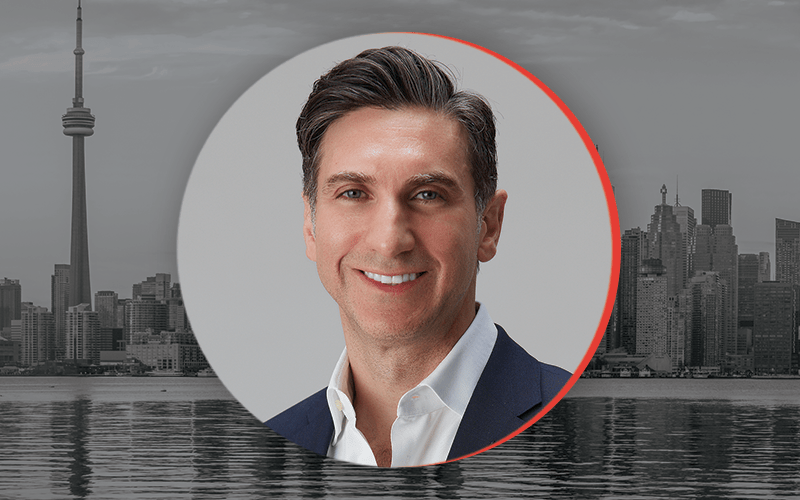
Andrew Kiguel is Co-Founder & CEO of tokens.com and previous CEO of one of the largest publicly listed bitcoin miners in the world
Episode
Andrew Kiguel is Co-Founder and Chief Executive Officer of tokens.com. Andrew was also founder and CEO of Hut 8 Mining, one...
Key takeaways
- The enemy of the great plan is the search for the perfect plan, so take action even when things aren't perfect rather than suffering from paralysis.
- Critical thinking, delayed gratification, and work ethic are three fundamental skills that can help you tackle and approach anything successfully.
- Design your company to be leveraged for the upside but resilient enough to withstand significant downturns, especially in volatile industries.
- Control what you can control and don't let things you can't control bother you, focusing on managing your emotional responses to challenges.
- Remote work is fundamentally changing where people choose to live and work, with profound implications for office space, taxation, and urban centers.
Transcript
Full transcript page · Interactive episode
============================================================
TRANSCRIPTION WITH SPEAKERS
============================================================

[00:00] SPEAKER_01: Welcome to Canada's Podcast, the number one podcast for entrepreneurs by
[00:06] SPEAKER_01: entrepreneurs. Hi everyone and welcome to Canada's Podcast, Canada's number one
[00:12] SPEAKER_01: podcast for entrepreneurs across Canada. I'm Phil Bliss coming to you from Toronto
[00:17] SPEAKER_01: and today we're going to meet Andrew Kugel, his co-founder and chief executive
[00:22] SPEAKER_01: of tokens.com which as you can imagine is in the cryptocurrency business and
[00:28] SPEAKER_01: Andrew has a pretty impressive record in that business and an investment. So
[00:33] SPEAKER_01: Andrew, let me tell you a little bit more about yourself. Yeah so probably a
[00:39] SPEAKER_02: weird start but my story starts in Santiago Chile where I was born about 50
[00:44] SPEAKER_02: years ago and you know if I was to you know when I described my first 10 years
[00:50] SPEAKER_02: to my children who were seven and eight I say you know by the time I was your
[00:54] SPEAKER_02: age I had gone through two major earthquakes in military coup and relocated to
[00:59] SPEAKER_02: Canada and so I think that's kind of something that ends up forming a little
[01:03] SPEAKER_02: bit about what you're about and you know coming to Canada with nothing as an
[01:07] SPEAKER_02: immigrant with you know immigrant parents as a child right really forms a lot of
[01:12] SPEAKER_02: your character and what you have the kind of things that interest you to get
[01:16] SPEAKER_01: older that that really is being being an immigrant that came in and sort of
[01:25] SPEAKER_01: not the best circumstances but a change a change of direction I kind of get
[01:30] SPEAKER_01: that people don't look at a whitehead gray guys and immigrant but we all have to
[01:36] SPEAKER_01: start you know that we all have to train and you know I think it's actually you know
[01:40] SPEAKER_02: Philip it's those failures and you read about this all the time but it's it's
[01:44] SPEAKER_02: really true it is is those failures and those struggles that really you know
[01:50] SPEAKER_02: the way you react to those things and your attitude is what shapes who you
[01:55] SPEAKER_02: become and even as an adult now these are things that never stop I can look and
[01:59] SPEAKER_02: see the challenges they've had over the last month you know and those are still
[02:04] SPEAKER_02: things that you were reacting to and figure out how they're gonna shape your
[02:07] SPEAKER_01: future so you know we just just a brief chat we had at the beginning you know
[02:12] SPEAKER_01: you say you've been out as an entrepreneur for about three years and I'm always
[02:18] SPEAKER_01: interested in in that you know you were in investment banking you know with
[02:25] SPEAKER_01: some pretty solid you know I would say institutional style companies what made
[02:34] SPEAKER_01: you step out and step out into into crypto basically basically what made you
[02:42] SPEAKER_02: do that yeah so I started looking at crypto back in and Bitcoin back in 2016
[02:49] SPEAKER_02: yeah and I was pretty skeptical I thought it was like this is a Ponzi scheme
[02:55] SPEAKER_02: this is you know there's something here not to be trusted but it was one of
[03:00] SPEAKER_02: those things that the more I studied the more I became fascinated with it in the
[03:04] SPEAKER_02: same way today that you're seeing people like Elon Musk and Ray Dalloy who are
[03:07] SPEAKER_02: starting to talk about Bitcoin this was sort of like the critical thinking that
[03:11] SPEAKER_02: was going on in my mind four or five years ago we started raising money for a
[03:16] SPEAKER_02: company and it was me with some clients and coworkers a coworker and two clients
[03:21] SPEAKER_02: and we said you know this would be a great idea if we created a company that was a
[03:26] SPEAKER_02: Bitcoin mining company and gave investors a chance to get exposure to this
[03:30] SPEAKER_02: area so we all put in a little bit of money and said well let's give it a shot
[03:34] SPEAKER_02: and I think at the time I sort of said well I'll just go along with the
[03:39] SPEAKER_02: group here it wasn't my idea to be very honest a month later we had a billion
[03:45] SPEAKER_02: dollars of demand for this idea from investors all over the world and we were
[03:50] SPEAKER_02: off of the races but we didn't have any leadership at that point I had been
[03:55] SPEAKER_02: in banking about 20 years as an investment banker we had a group recruited some
[03:59] SPEAKER_02: of top-notch board members since real you know superstars in the crypto world
[04:04] SPEAKER_02: to be part of the company and they came to me and said you know what Andrew like
[04:08] SPEAKER_02: you've guided us through this you've done the financial engineering you've
[04:11] SPEAKER_02: helped put the business plan together why don't you come and be the CEO and
[04:14] SPEAKER_02: and that was really you know I sort of thought to myself do I want to retire as
[04:18] SPEAKER_02: an investment banker really we're constantly working for other people or I
[04:24] SPEAKER_02: can move into this company and really shape and build something and grow my
[04:27] SPEAKER_02: skill set at this point in my life
[04:30] SPEAKER_01: it's interesting you know that that's still you make it look kind of fairly
[04:39] SPEAKER_01: seamless in the sense from from one side to another but you know what made you
[04:49] SPEAKER_01: give up I mean whatever you do he was stepping into something that was
[04:57] SPEAKER_01: insecure to a degree compared to the last 20 years then you go family and kids
[05:05] SPEAKER_02: and things like that you know yeah so I think there's probably a couple of
[05:13] SPEAKER_02: parts to this story so number one and you have to go back and this goes back to
[05:17] SPEAKER_02: to when you're younger and when I was a child I was fascinated with running a
[05:23] SPEAKER_02: business I think some people wait to him a little bit of a control freak and so
[05:27] SPEAKER_02: I like talking you know when when I was a kid I liked playing Dungeons and Dragons
[05:31] SPEAKER_02: and being the dungeon master the guy who designs the stuff I didn't want to be
[05:37] SPEAKER_02: a player I wanted to be the coach the guy who was in control and designing things
[05:42] SPEAKER_02: and when I was in university I started I used jeans clothing company these are
[05:47] SPEAKER_02: not things you'll ever find on a resume and then I spent you know the last 18
[05:51] SPEAKER_02: years of my banking career where at GMP securities where yes I was a banker but
[05:56] SPEAKER_02: if anything ever needed to be done I was always the first guy to put up my hand
[05:59] SPEAKER_02: and say let me build that let me create that and even in my most successful part
[06:05] SPEAKER_02: of my career at GMP was real estate but what again doesn't come through on the
[06:10] SPEAKER_02: resume was I originally thought about creating a real estate group at that firm
[06:13] SPEAKER_02: what would have been 15 years ago and the senior partners at the time said
[06:18] SPEAKER_02: why do you want to do that you're gonna fail that's not gonna work now I had
[06:26] SPEAKER_02: a strong conviction that it would work I had my viewpoints and everything
[06:29] SPEAKER_02: around that and I got them to support me on it and then you know two years
[06:33] SPEAKER_02: later I was you know one of the largest revenue generators at the firm through
[06:36] SPEAKER_02: this real estate practice that I built but that sense of I would say wanting to
[06:43] SPEAKER_02: control things and build things and be accountable for what I'm doing has always
[06:48] SPEAKER_02: been there and so taking that leap to being a CEO yeah it was big and at the
[06:55] SPEAKER_02: time I was actually going through a divorce and I had just written you know
[07:00] SPEAKER_02: there's a bit personal I had just written a very large check to my ex-wife and
[07:04] SPEAKER_02: and considered myself to be you know a lot of many years of hard work that had
[07:10] SPEAKER_02: been transferred over and what I sort of thought about it was from one day to
[07:15] SPEAKER_02: the next from from having you know writing that check I thought I was going to
[07:18] SPEAKER_02: be devastated and to the next day I realized hmm it didn't make a difference I
[07:24] SPEAKER_02: had lost sort of what I thought was sort of years of work expressed as a dollar
[07:29] SPEAKER_02: symbol and I said you know this is the time for me to make a change because it
[07:34] SPEAKER_02: didn't occur as much as I thought it would that physicality of money didn't
[07:39] SPEAKER_02: mean as much to me as the gratitude and the fulfillment I got in the
[07:44] SPEAKER_01: early it if that makes sense yeah it does make sense to me you're going back to
[07:49] SPEAKER_01: your business I mean I think a lot of people but I mean you know obviously
[07:53] SPEAKER_01: Bitcoin's getting a lot of attention you know what do you see you know you're
[07:59] SPEAKER_01: in it up to your armpits kind of thing what do you see as the future of the
[08:05] SPEAKER_01: industry you know saying the next five years so I think it's going to be huge
[08:12] SPEAKER_02: and I think the you know it is big right now people are talking about it I
[08:18] SPEAKER_02: don't quite think people understand it and I think to understand Bitcoin you
[08:22] SPEAKER_02: have to understand the failures of the current fiat system and you know I I
[08:27] SPEAKER_02: asked this question sometimes I say you know a Wayne Gratsky rookie card is
[08:32] SPEAKER_02: worth a million dollars and a Michael Jordan rookie card is worth about a hundred
[08:39] SPEAKER_01: thousand dollars take a guess as to the reason why
[08:46] SPEAKER_01: well about you being gratitude well there's a lot more Michael
[08:51] SPEAKER_02: takes volume is the key well this scarcity there's a lot of Michael
[08:56] SPEAKER_02: Jordan rookie cards around too much you want to do views yeah right and the
[09:00] SPEAKER_02: reason you know today that gold is gold and gold it has been used as a form of
[09:06] SPEAKER_02: currency or value for you know centuries as opposed to seashells or rocks is
[09:12] SPEAKER_02: because there's a scarcity factor it costs money to to mine it and get it in
[09:17] SPEAKER_02: that form fiat currency in what you're seeing all around the world is a
[09:22] SPEAKER_02: response to covid like it's not a coincidence that the rise of Bitcoin here
[09:28] SPEAKER_02: coincides with covid now it may seem like a bit of a stretch but as governments
[09:33] SPEAKER_02: continue to print money what they're really doing with the same concept is the
[09:39] SPEAKER_02: more money that's printed the less valuable it becomes it's you know I think
[09:44] SPEAKER_02: the word is you know they're devaluing the currency through these stimulus
[09:47] SPEAKER_02: packages and I think Joe Biden is is trying to get a 1.9 trillion dollar package
[09:53] SPEAKER_02: through and another interesting fact you know 30% of all US dollars in
[09:58] SPEAKER_02: circulation 30% of all US dollars in circulation were printed in 2020 so I go
[10:05] SPEAKER_02: back to this principle of what makes things valuable or not valuable and it
[10:09] SPEAKER_02: to me it is scarcity plus what somebody is willing to pay for it and if you
[10:15] SPEAKER_02: look at current you know you look at what's happened in Venezuela and other
[10:17] SPEAKER_02: countries the more you print the currency eventually are going to create
[10:20] SPEAKER_02: inflation the thing about Bitcoin that I think is interesting and I don't
[10:26] SPEAKER_02: want to make this whole thing about Bitcoin but what I think is interesting about
[10:28] SPEAKER_02: Bitcoin is that the the concept of what is sound money or what I would say
[10:35] SPEAKER_02: almost a computerized rate of inflation that keeps Bitcoin scarce is is
[10:42] SPEAKER_02: embedded in code it's a digital representation of sound money and so as the
[10:47] SPEAKER_02: demand increases because people say I don't want to keep my money in US
[10:51] SPEAKER_02: dollars or Canadian dollars because they keep deflating as inflation goes up I
[10:56] SPEAKER_02: want to put this in something that has some scarcity value and and I think
[10:59] SPEAKER_02: that's going to attract people to things like gold silver and Bitcoin and
[11:05] SPEAKER_02: Bitcoin is really just a digital representation of sound money that's only
[11:10] SPEAKER_02: going to be exacerbated in the next few years as the impact of all this
[11:15] SPEAKER_02: COVID stimulus works his way through the economic system. What do you see as the
[11:19] SPEAKER_01: biggest challenge in your particular features?
[11:27] SPEAKER_02: My biggest I mean look as I described to somebody the day being an entrepreneur
[11:32] SPEAKER_02: is you know it's some days of duplation and euphoria followed by several days
[11:39] SPEAKER_02: of heart heartbreak. When I look at the challenges a you know being an entrepreneur
[11:45] SPEAKER_02: requires a lot of emotional thick skin there are some good days there's a lot of
[11:50] SPEAKER_02: bad days and some of that you know just rates the how you react to that and
[11:54] SPEAKER_02: having that work ethic to keep going I think the ability to raise capital and
[11:59] SPEAKER_02: access capital and in my specific field I think just the while I have a very
[12:05] SPEAKER_02: the prognosis I have for Bitcoin and cryptocurrency over the next five to ten years
[12:11] SPEAKER_02: is very high however the pathway to getting there is volatile and so it is about the you know
[12:19] SPEAKER_02: the volatility in my last company had eight which is now a you know a six hundred
[12:23] SPEAKER_02: million dollar public company. Well I was running it was at a time when Bitcoin dropped by 90 percent
[12:30] SPEAKER_02: you know at the time everybody declared Bitcoin debt because it went from you know 1819000
[12:34] SPEAKER_02: down to 3000 today it's sitting at 35000 and everyone's forgotten about that but
[12:40] SPEAKER_02: you know many companies during my tenure of running at eight didn't make it and so you're always
[12:48] SPEAKER_02: trying to design a company that is able to be leveraged for the upside but can withstand you know
[12:54] SPEAKER_01: the punches when things are not great. I mean that sort of comes on to the question I like to ask
[13:01] SPEAKER_01: everybody is you know and I think the business that you've grown up in you hit challenges
[13:09] SPEAKER_01: on a regular basis basically. Hey you actually. Yeah that's a bad way.
[13:16] SPEAKER_01: You know have you kind of evolved a process of handling that? How do you manage that
[13:25] SPEAKER_02: those kind of slaps? Yeah so you learn different modes of reacting along the way. I used to be a
[13:37] SPEAKER_02: very emotional guy I've learned to at least when it comes to work to sort of park that away and I do
[13:43] SPEAKER_02: that through several methods you know I meditate I try to you know spend I have a you know young kids I
[13:52] SPEAKER_02: try and make sure I spend time with them away from my phone or a computer. I try and read.
[14:00] SPEAKER_02: I try and you know a new thing that I've picked up is taking ice baths as crazy as that sounds
[14:07] SPEAKER_02: why it is a highly traumatic thing to do to your body and really focus as you where like when you're
[14:14] SPEAKER_02: in a nice bath you're not thinking about you know whatever it is it's going to work and so it's a
[14:20] SPEAKER_02: function of trying to put things into perspective and I think really that comes with with experience
[14:26] SPEAKER_02: and you get better at it like I said there's some days that are still heartbreaking and you know you go
[14:31] SPEAKER_02: to your room and curl up and cry but those moments of euphoria are great and that sense of accomplishment
[14:38] SPEAKER_02: is really what the things keep keep me motivated. And you know we've all sort of experience
[14:46] SPEAKER_01: mentor going along. What's the best piece of advice that you've received that you just keep on
[14:55] SPEAKER_01: going back to amusing you know time and time again. Yeah so a few sort of lessons that I've learned
[15:04] SPEAKER_02: this is a great quote from one of my mentors you know the the enemy of the great plan is the search
[15:11] SPEAKER_02: for the perfect plan and what that is is that there's a lot of I think entrepreneurs and business people
[15:18] SPEAKER_02: who suffer paralysis because they have this vision of needing something to be perfect and that delay
[15:26] SPEAKER_02: can cost a lot of issues you know the enemy of the great plan is a search for the perfect plan it's
[15:33] SPEAKER_02: about really sometimes you have to get out there and do things even though you're not quite ready.
[15:38] SPEAKER_02: I think you know for me having a lot of critical thinking so you can get back a lot of things
[15:45] SPEAKER_02: because I've sort of matured as it is an entrepreneur I've become a lot more comfortable questioning
[15:51] SPEAKER_02: people and things you know different figures of might be authority or regulation to say why is
[15:58] SPEAKER_02: that why how did you come to those completely. So I think some of that is helpful as well. Those are
[16:05] SPEAKER_02: three lessons I teach my kids I say if you guys can learn this stuff now they're pretty I mean
[16:10] SPEAKER_02: they're seven and eight I might be pushing them too early but I say you know critical thinking
[16:15] SPEAKER_02: delayed gratification and work ethic I think those are three things and if you can package those
[16:21] SPEAKER_02: things up and somehow and in your ability to tackle or approach anything generally can lead to a
[16:27] SPEAKER_01: good outcome. This is an interesting month so if you want to do what you're doing now
[16:33] SPEAKER_01: still you know working in the financial side of the world what would you be doing instead.
[16:42] SPEAKER_02: You know as a child I always want to be a writer that you know I used to I love biographies on
[16:49] SPEAKER_02: writers you know I was a guy that you know we're studying finance but I would go home and I was
[16:54] SPEAKER_02: you know you know the classic stuff which is you know the critical readers might find it not
[17:01] SPEAKER_02: that interesting but you know I loved Hemingway and Henry Miller Jack Kerrowak you know those
[17:08] SPEAKER_02: were things that I liked reading and it was a little bit of that escape and to sort of see some
[17:13] SPEAKER_02: of these exciting things especially from that era the time call it you know depending on which writer
[17:18] SPEAKER_02: you know 1940s to 1960s. You know what will you read just now. Right now I'm reading Ray Galeo's
[17:25] SPEAKER_02: principles but I wouldn't you know that's not a book I would say that you know I think there's
[17:33] SPEAKER_02: some good lessons in there but that's not a book that in two years I will remember it and is having
[17:37] SPEAKER_02: move me you know one book I always told you recommend me. Well as someone who's an entrepreneur you know
[17:45] SPEAKER_02: I like I like Marcus Arrelius meditations that's one that I keep in my side drawer and I always
[17:50] SPEAKER_02: you know that's a book I can pick up and just open up to any page and there is you know a great
[17:56] SPEAKER_02: life lesson in there and you asked before about being entrepreneurial stoicism which comes from
[18:02] SPEAKER_02: you know Marcus Arrelius' meditations which is really it's his personal notes he never intended
[18:08] SPEAKER_02: that to be published but in reading that it's a lot of things about you know if you can't control
[18:15] SPEAKER_02: something don't let it bother you if you can control it then control it but it's all about sort of
[18:20] SPEAKER_02: just keeping control of your emotions and you know lessons in life I would say that book to me
[18:26] SPEAKER_02: is a lot more valuable I you know I'd listen to sometimes these these podcasts and some of the
[18:30] SPEAKER_02: books recommend and then they're all sort of these very straightforward like life lessons books like
[18:34] SPEAKER_02: you know the art of war or fifty-bought power I didn't I read those books I didn't find them
[18:40] SPEAKER_02: that helpful and sometimes a little bit aggressive in sort of having an adversarial view I really
[18:45] SPEAKER_02: like the Marcus really a stuff because it's about not just business lessons but I think life lessons
[18:51] SPEAKER_01: in being a good person so if you had to pick one word to describe who you are what would it be
[19:02] SPEAKER_01: I'd say father my father yeah I think that's the thing I'm proud of stood
[19:07] SPEAKER_01: okay that's good that's good that that might be the first time someone's actually said that
[19:13] SPEAKER_01: that I can that's great I like that yeah that's my most important job yeah absolutely I totally agree with
[19:23] SPEAKER_01: you know you know in terms of you know even morning or night person these are silly ones but
[19:32] SPEAKER_01: it's funny I just like these ones because you get perspective yeah um I think that varies from time to time
[19:43] SPEAKER_02: at what I am finding me well look I nobody I don't lie at the working wait like I wake up early
[19:51] SPEAKER_02: in the morning I'm usually up by 7 a.m. but I also frequent me up at 4 a.m. and what happens is I will
[19:58] SPEAKER_02: have some thing at 4 o'clock in the morning that I think is brilliant I'll run downstairs into the
[20:03] SPEAKER_02: office here and start typing away for an hour then I revisit it back when I wake up and I'm like
[20:10] SPEAKER_02: I didn't I'm down right that down that wasn't so good you know but at the time it felt quite urgent
[20:20] SPEAKER_02: sorry I I I'll run downstairs and do that but um you know right now you know and I'm sure you've
[20:27] SPEAKER_02: heard this before as an entrepreneur I don't feel like I there's a time clock like I'll be in the
[20:32] SPEAKER_02: middle of dinner and I'll think of something I try and you know I always carry on like a little
[20:35] SPEAKER_02: tie with me that I I'm always writing notes uh what I need to do reminders and it's things come to
[20:42] SPEAKER_02: what any point of the day or night and I keep these notes and when I wake up in the morning I have my
[20:48] SPEAKER_02: list ready to go for the day first first thing I did before I go to bed is I kept my schedule for the next day
[20:54] SPEAKER_02: also a bit of a news how you know I will check you know the global mail the you know the the
[20:59] SPEAKER_02: the Wall Street Journal I want to know what's going on before I start my day and then I tackle my list
[21:06] SPEAKER_02: once the list is tackled I will sort of then start going through emails and responding to people
[21:12] SPEAKER_02: you know and then you know all of a sudden it's 11 o'clock at night
[21:15] SPEAKER_01: hmm this is this is a silly one I mean but how do you disconnect it as almost as possible maybe we
[21:25] SPEAKER_01: just talk about a bit bit of a better one with the last year that we've all experienced with this
[21:32] SPEAKER_01: pandemic what's your perspective on you know what will stay and what will you know in terms of
[21:42] SPEAKER_01: the way we're working now what remains what will sort of everyone go back yeah I think this
[21:52] SPEAKER_02: is going to have profound impact in how people work I know a lot of people that have relocated
[21:59] SPEAKER_02: and the reason is if I can work remotely I don't want to work remotely from Canada I'll go do it from
[22:08] SPEAKER_02: somewhere in the Caribbean or somewhere that's warmer or has a better tax regime so I think this idea
[22:15] SPEAKER_02: that you can do your job from anywhere he's going to stick so that's going to have a lot of
[22:20] SPEAKER_02: implications to like downtown office space does it doesn't matter anymore to live in a city like
[22:25] SPEAKER_02: Toronto and be close to Bay Street or New York I you know I've talked to a lot of people in the last
[22:30] SPEAKER_01: few weeks that have left New York yeah friend of mine says you know prime office space downtown Toronto's
[22:37] SPEAKER_02: 30 bucks square foot yeah I was talking to a guy from New York this morning and he left and he said
[22:46] SPEAKER_02: well why do you leave he said well I live in a 300 square foot place in New York nothing's open
[22:52] SPEAKER_02: and it's cold if I can go and get a better tax rate in you know Miami or somewhere in Texas
[23:00] SPEAKER_02: or Puerto Rico you can be in the sun why wouldn't they do that well like I think with the mental
[23:05] SPEAKER_02: health aspect of people being crammed in these little spaces yeah and these government restrictions
[23:11] SPEAKER_02: think people are people are moving to places they're have tax advantage everyone's real scared about
[23:16] SPEAKER_02: taxes because all of this COVID stimulus you know Canada and I don't want to get too controversial
[23:22] SPEAKER_02: but when I look at the response from the federal government and I'm not going to pine on right or
[23:27] SPEAKER_02: wrong but I'd say if you look at the numbers there's been about a trillion dollar spent in Canada
[23:33] SPEAKER_02: and let's compare that to tax collection so tax collection which is not all the government revenue
[23:39] SPEAKER_02: but you know income tax collection is about 150 billion a year so we have just spent several years of
[23:46] SPEAKER_02: tax collection money in the last ten months to battle COVID and most of that a lot of that has been
[23:55] SPEAKER_02: paying people to say home that what could we have done with that money we could have built hospitals
[23:58] SPEAKER_02: we could have built infrastructure we could have built new long term health care facilities with
[24:03] SPEAKER_02: better you know air filtration and all those things new roads new schools new hospitals and by the
[24:09] SPEAKER_02: end of this we would have been employing people and how to one of those progressive modern you know
[24:14] SPEAKER_02: infrastructures in the world and instead through all of this we are short vaccinations we're
[24:20] SPEAKER_02: failing poorly at getting people vaccinated people have been paid to stay at home and there's been
[24:26] SPEAKER_02: nothing tangible built and then that to me is disappointing and I wonder how we're going to pay for
[24:32] SPEAKER_02: it does this mean we're going to see increased taxes I've always been a believer that you know if
[24:35] SPEAKER_02: taxes were cut people might go out and spend and let the market dictate where the money should flow
[24:41] SPEAKER_02: so if people felt like they had more money they'll decide which industries will survive because
[24:46] SPEAKER_02: they'll be spending the money in those areas as opposed to the government saying we're going to
[24:50] SPEAKER_02: subsidize everything and tell people how to live how to travel we're to visit you know places
[24:56] SPEAKER_02: like come back where you have a curfew that that's me is it's quite trickony like can you
[25:02] SPEAKER_02: imagine I mean you're in handled in me the thought of having a curfew and this is not a wartime
[25:07] SPEAKER_02: and terrorist type situation but the government trying to control this I understand
[25:12] SPEAKER_02: but why are we not having referendum on this to see what people want why is money not being
[25:17] SPEAKER_02: invested into long term health care facilities to fix and tackling that problem instead of taking
[25:22] SPEAKER_01: away people civil liberties it's a problem it's a very completely and I and I I realize my
[25:31] SPEAKER_02: opinion is not shared by everyone no no except that's okay um
[25:40] SPEAKER_01: you're in Toronto yeah you're you're still an immigrant you came from Chile you know you know
[25:49] SPEAKER_01: why Toronto why why are you still there so that's a great question so as I told you before I'm
[25:58] SPEAKER_02: divorced and remarried I have two children seven and eight and in order for me to relocate I would
[26:08] SPEAKER_02: have to either convince my ex-wife and her partner to relocate with me so I can keep seeing my
[26:18] SPEAKER_02: children I see my children five days a week and or I'd have to make the choice to not see them and so
[26:24] SPEAKER_02: the the lesser of all evils is to remain in Toronto which is still a great city yeah yeah
[26:32] SPEAKER_02: it's just you know the cold with the lockdown right now because I because I I need to see my
[26:37] SPEAKER_02: children that's that's my most important role if my children lived with me full time I would
[26:43] SPEAKER_02: probably have relocated to something you know somewhere else for for 12 months just to have that
[26:49] SPEAKER_02: life experience you know Toronto for me I came to Canada I went out seven years old so it was quite
[26:56] SPEAKER_02: young so my parents are still here they're both alive and this feels a lot like home to me even though
[27:03] SPEAKER_02: you know technically you know like you I don't look like I'm an immigrant but I'm you know I'm
[27:07] SPEAKER_02: Hispanic and so this feels very unlike to me but if it wasn't for my children keeping me grounded
[27:18] SPEAKER_02: here I I would have relocated for for 12 months and it's really interesting you know how I would
[27:26] SPEAKER_01: ask this you know how can people get a hold of you online you know what's the best route to do
[27:32] SPEAKER_01: that because people listen and I know they get a hold of people to ask them some questions yeah so
[27:39] SPEAKER_02: maybe the best way is a new venture that I started and I'm locking my my fundraise today but it's
[27:45] SPEAKER_02: called tokens.com and you can go right to the URL tokns.com and there's a contact section there and
[27:55] SPEAKER_02: people can certainly I think it's contact at tokens.com and they can certainly send stuff that out
[28:00] SPEAKER_02: and I'll take a look at I don't want to necessarily give up my personal
[28:03] SPEAKER_01: email. I'm also on LinkedIn in this way so I find LinkedIn's the best way for people to go.
[28:13] SPEAKER_02: Yeah although do you get served a lot of I get served a lot of you know inbound messages every day
[28:17] SPEAKER_02: of it. It's got it's got it's got your website down do you have web design needs. Yeah yeah I know
[28:22] SPEAKER_01: exactly what you say but thanks for coming on I really appreciate it's been fun and you know
[28:28] SPEAKER_02: I thanks for taking the time. Yeah with pleasure and you know thank you very much it is certainly
[28:34] SPEAKER_02: you know it have enjoyed our chat.