
Alex Putici
Episode
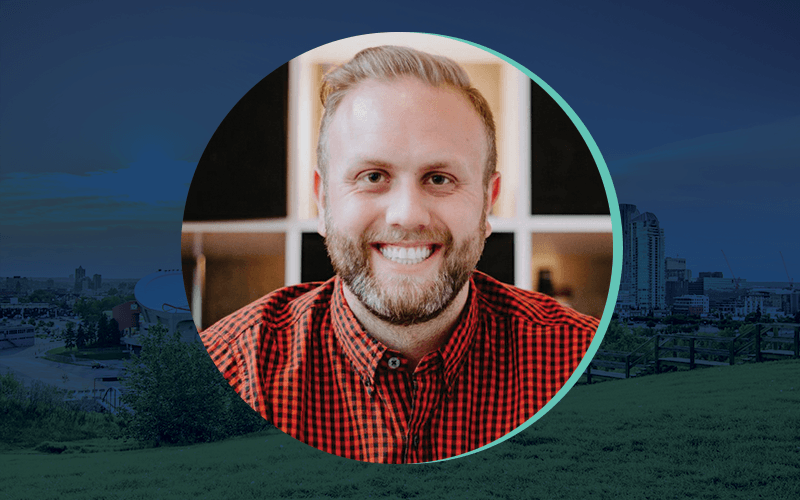
Alex Putici (putici.com) is an entrepreneur and community builder. He is the founder of Alberta’s largest coworking community called Work...
Key takeaways
- Validate your business idea by making your first sale before seeking investors or financing, as generating revenue first proves market demand and enables organic growth.
- Build genuine relationships by giving first without expecting anything in return, as serving others and adding value creates opportunities that networking for personal gain cannot.
- Embrace problems as an inherent part of entrepreneurship rather than trying to avoid them, understanding that happiness comes from solving challenges and they will only grow as your business scales.
- Make business decisions based on what serves your existing customers best rather than solely focusing on acquiring new ones, as growth through retention creates sustainable success.
- Take regular breaks and mini-retirements throughout your career to gain perspective through travel and rest, rather than waiting for traditional retirement to enjoy life experiences.
Transcript
Full transcript page · Interactive episode
============================================================
TRANSCRIPTION WITH SPEAKERS
============================================================

[00:00] SPEAKER_00: It's Calgary's Podcast on the Canada's Podcast Network.
[00:19] SPEAKER_00: Hello, this is Bonnie LG coming to you today with Calgary's Podcast, a member of the Canada's
[00:25] SPEAKER_00: Podcast Network where we talk to the entrepreneurs who are making it happen.
[00:29] SPEAKER_00: Here in the city of Calgary, Alberta, Alex Pudicey is an entrepreneur and community builder.
[00:35] SPEAKER_00: He is the founder of Alberta's largest co-working community called WorkNycer with offices in
[00:41] SPEAKER_00: both Calgary and Edmonton.
[00:43] SPEAKER_00: He has an impressive track record of starting a number of different companies and also spends
[00:48] SPEAKER_00: his time making the Calgary community a better place.
[00:51] SPEAKER_00: Alex is the founder of 100 men who give a damn in Calgary, GenYYC and the Calgary co-working
[00:57] SPEAKER_00: alliance.
[00:58] SPEAKER_00: He is also a proud mentor with ATBX and startup Calgary.
[01:04] SPEAKER_00: So Alex, welcome to the show and thanks for taking the time to be here today for all of
[01:08] SPEAKER_00: our listeners.
[01:10] SPEAKER_01: Hey, Bonnie, thanks for having me.
[01:11] SPEAKER_01: I'm looking forward to our chat and a good time.
[01:14] SPEAKER_00: One of the reasons Alex, I'm really excited to talk to you today is because you have a company
[01:18] SPEAKER_00: with operations in both Calgary and Edmonton.
[01:21] SPEAKER_00: So why don't we jump right in and can you tell us a little bit more about yourself and
[01:26] SPEAKER_00: about your current business, WorkNycer?
[01:29] SPEAKER_01: Yeah, so, well, WorkNycer, like you said, it's the largest co-working space in Alberta.
[01:33] SPEAKER_01: We have a work kind of closing in or right around 500 members between Calgary and Edmonton.
[01:40] SPEAKER_01: And what's cool about WorkNycer is it doesn't mean renting a desk or just sharing coffee
[01:44] SPEAKER_01: mods.
[01:45] SPEAKER_01: This is a community of people that rally together to work through the struggles of
[01:50] SPEAKER_01: much partnership or being a remote worker, celebrate the wins and the victories.
[01:56] SPEAKER_01: And we believe deeply that no one succeeds alone.
[01:59] SPEAKER_01: And so it really is about having a place in a community to work through whatever it is
[02:06] SPEAKER_01: that you're going through, chances are whatever you've been through, another member at Work
[02:10] SPEAKER_01: Nycer has went through it.
[02:11] SPEAKER_01: And that's really what this is about.
[02:13] SPEAKER_01: And we kind of use WorkSpace as a catalyst in order to do that.
[02:17] SPEAKER_00: And Alex, how did you get things started with WorkNycer?
[02:21] SPEAKER_00: Like how were you able to set up your financing and launch the company?
[02:26] SPEAKER_01: Yeah, that's a great question.
[02:28] SPEAKER_01: Truth be told, so WorkNycer has been basically almost until recently, it's been basically
[02:35] SPEAKER_01: a totally bootstrapped company.
[02:37] SPEAKER_01: So I actually really enjoyed telling the story because at the very beginning, so we opened
[02:42] SPEAKER_01: in December of 2015, and it was in a different physical space than any of the current WorkNycer
[02:49] SPEAKER_01: outposts are at this moment.
[02:52] SPEAKER_01: We were in that one for about six months before we closed it.
[02:55] SPEAKER_01: We kind of outgrew it, so we closed it and moved into a new one as kind of a number one.
[03:00] SPEAKER_01: But WorkNycer started by bringing together 10 of my friends that I got to know through
[03:07] SPEAKER_01: a business group here in Calgary.
[03:09] SPEAKER_01: And so we had known each other for years.
[03:10] SPEAKER_01: I was working on my previous security business and up into that point, we had just been building
[03:17] SPEAKER_01: these relationships in this business group.
[03:20] SPEAKER_01: And we spent a lot of time together and got to know each other.
[03:22] SPEAKER_01: And so I kind of came to them and they are the ones that actually helped get this thing
[03:29] SPEAKER_01: started.
[03:30] SPEAKER_01: That wasn't the reason.
[03:30] SPEAKER_01: I mean, I can dive into the whole like, reason of WorkNycer came from.
[03:34] SPEAKER_01: It was actually tied back to 1009 of GIVADAM, which you mentioned a little bit about.
[03:39] SPEAKER_01: But from a financing perspective, truth be told, before I even had a bank account set
[03:44] SPEAKER_01: up for the company, I went to these 10 people and they committed, said they'd be in.
[03:49] SPEAKER_01: And so they emailed in their deposits and their first month's membership and basically
[03:54] SPEAKER_01: took that, used that money to pay our lease deposit.
[03:58] SPEAKER_01: And from then, it was just this mentality of, okay, now we've just got to stay one month
[04:03] SPEAKER_01: ahead while we grow.
[04:04] SPEAKER_01: And so it wasn't this big thing where we went out and got a whole bunch of investors.
[04:08] SPEAKER_01: My mentality has always been, make a sale first.
[04:12] SPEAKER_01: If you can just make a sale, make a dollar that validates the idea and that allows you
[04:17] SPEAKER_01: to grow going forward.
[04:18] SPEAKER_01: And so yeah, it's never been this big thing where we had to go and put together this
[04:22] SPEAKER_01: and seeing business plan and go trying to bank financing.
[04:25] SPEAKER_01: We've never gotten grants and all that kind of stuff that's kind of where it came from.
[04:29] SPEAKER_00: And I am intrigued.
[04:30] SPEAKER_00: So what is the connection to a hundred men who give a dam and Calgary?
[04:34] SPEAKER_01: Yeah, so like I said, prior to this, I had, I'd been in the security industry for years.
[04:40] SPEAKER_01: Straight to high school, I went down to the US and I sold alarm systems door to door.
[04:45] SPEAKER_01: I was 19 years old, never lived away from home.
[04:48] SPEAKER_01: And I was just like dumped out on the street in Virginia and said, hey, go sell alarm systems.
[04:53] SPEAKER_01: So I started doing that and I was okay at it.
[04:55] SPEAKER_01: And, you know, to make a long story short, I wound up managing sales teams
[04:59] SPEAKER_01: across Canada and the US for a few different companies prior to being hired on to a company's
[05:07] SPEAKER_01: executive team out of Toronto.
[05:09] SPEAKER_01: And I was tasked with creating a whole new division for them, which is a door to door sales program.
[05:15] SPEAKER_01: And we took them and built them into the largest ADT viewership in Canada.
[05:20] SPEAKER_01: And eventually wound up coming back home to Alberta and started our own security company,
[05:27] SPEAKER_01: myself and a child and friend.
[05:29] SPEAKER_01: And we kind of built that company into a semi-nation wide business.
[05:34] SPEAKER_01: And by all accounts, I had kind of like found my niche, right?
[05:41] SPEAKER_01: I found my, you know, what it is I mean, supposed to be doing.
[05:44] SPEAKER_01: I totally believe in the product.
[05:46] SPEAKER_01: I watched it change people's lives.
[05:49] SPEAKER_01: I watched people come back to us and say, hey, my house would have burnt down without this system.
[05:54] SPEAKER_01: All these amazing things created some jobs and really checked a lot of boxes.
[06:00] SPEAKER_01: And then I kind of really took a step back and said, okay, is this something I want to be
[06:05] SPEAKER_01: doing for the next 10, 15, 20 years?
[06:08] SPEAKER_01: Is this really checking all of my personal boxes?
[06:11] SPEAKER_01: And the problem was, was that, truthfully, I just, you know, let me look at this way,
[06:17] SPEAKER_01: let me put it this way.
[06:18] SPEAKER_01: It's like nobody has a relationship with their security guy, right?
[06:21] SPEAKER_01: If we are doing our job properly as a company, we would come in, put in the system,
[06:27] SPEAKER_01: and we would never see you again, which is fine, but I'm kind of a people person.
[06:31] SPEAKER_01: And so I was really lucky a lot of this human, human connection.
[06:35] SPEAKER_01: I wound up with another guy starting this charity group called 100 Man You Given Thump.
[06:40] SPEAKER_01: And the idea behind it is that we're raising $10,000 once a quarter for local charities,
[06:46] SPEAKER_01: $100 in a time.
[06:47] SPEAKER_01: So what that means is we have a hundred guys that get together once a quarter.
[06:51] SPEAKER_01: We meet a friend of mine, he owns a brewery in town, we meet at the brewery,
[06:55] SPEAKER_01: and we all pick one out of three charities that's important to a member and donate $100 directly
[07:03] SPEAKER_01: to it.
[07:04] SPEAKER_01: So really simple concepts, but the real power, 100 people together that under no other circumstance
[07:11] SPEAKER_01: would otherwise connect.
[07:12] SPEAKER_01: You've got a hundred guys that are coming together not for the purpose of networking,
[07:17] SPEAKER_01: not for the purpose of an industry conference, right?
[07:20] SPEAKER_01: They're coming together for something that is greater than themselves.
[07:24] SPEAKER_01: And that was something I absolutely loved doing.
[07:27] SPEAKER_01: And it turned out I was okay at it.
[07:29] SPEAKER_01: And I wanted to figure out how I could do that all the time.
[07:32] SPEAKER_01: Not just four days a year, I wanted to do this every single day of the year.
[07:35] SPEAKER_01: And that's what we're doing with WorkMacer.
[07:37] SPEAKER_01: We're just using WorkSpace as the conduit or the catalyst to do that.
[07:41] SPEAKER_01: Versus the charity component, but that's really the connection between a hundred men
[07:47] SPEAKER_01: and a WorkMacer.
[07:48] SPEAKER_01: Does that kind of make sense?
[07:50] SPEAKER_00: Yeah, I think that's a really interesting alignment that you've created.
[07:55] SPEAKER_00: And yeah, bringing people together to do their best work and to collaborate and share ideas
[08:00] SPEAKER_00: in great space, right?
[08:03] Speaker UNKNOWN:
[08:03] SPEAKER_00: Let's shift gears a bit.
[08:05] SPEAKER_00: I would love to get your perspective because you are working both in Calgary and Edmonton.
[08:11] SPEAKER_00: Can you tell our listeners what are some of the biggest benefits
[08:14] SPEAKER_00: of being an entrepreneur in Calgary?
[08:17] SPEAKER_00: And also in Edmonton, what have you seen between the two markets?
[08:22] SPEAKER_01: Well, it's interesting because a lot of people asked us how we chose to go to Edmonton
[08:27] SPEAKER_01: versus going to a larger market like Toronto or Vancouver or something on those lines.
[08:33] SPEAKER_01: And WorkMacer, it's always been about how do we keep our members, right?
[08:38] SPEAKER_01: How do we add so much value that members never want to leave?
[08:43] SPEAKER_01: And so we always make decisions based on what's best for members, not based on what's best for
[08:48] SPEAKER_01: trying to get new members in the door.
[08:50] SPEAKER_01: And so the concept is always being growth through retention.
[08:56] SPEAKER_01: And so really, we have built this great network and a bunch of relationships in the City of Calgary.
[09:02] SPEAKER_01: And I started asking the question like, why do I not know a lot of people on Edmonton?
[09:07] SPEAKER_01: Why are we not interacting with people on Edmonton?
[09:10] SPEAKER_01: We're three hours literally up the road, right?
[09:13] SPEAKER_01: So I ended up just going to Edmonton and said, hey, I'm going to make some friends,
[09:17] SPEAKER_01: right? I want to start getting to know people there.
[09:19] SPEAKER_01: And I started with the co-working spaces that were in Edmonton and the other managers
[09:25] SPEAKER_01: of different co-working businesses and that kind of thing.
[09:29] SPEAKER_01: And so kind of really over the course of the six to 12 months of just getting to know people,
[09:34] SPEAKER_01: people started asking about, hey, when's the workday is going to come to Edmonton,
[09:40] SPEAKER_01: we can use workday in Edmonton.
[09:42] SPEAKER_01: And that is actually kind of the reason why we started getting it.
[09:45] SPEAKER_01: It is way more likely that a member in Calgary, an entrepreneur in Calgary or in Edmonton
[09:51] SPEAKER_01: would expand their business to either Calgary or Edmonton versus Vancouver or Toronto or even
[09:59] SPEAKER_01: Saskatoon or what have you.
[10:00] SPEAKER_01: And so it just made way more sense to that because that is a huge value ad where we can help
[10:06] SPEAKER_01: build this bridge between Calgary and Edmonton and build a better entrepreneurial Alberta.
[10:11] SPEAKER_01: And you know, we can again provide this platform or be this catalyst to start doing business
[10:16] SPEAKER_01: in a city that maybe somebody wouldn't start doing business in.
[10:19] SPEAKER_01: And so I think the benefit isn't necessarily being an entrepreneur in Calgary or an entrepreneur
[10:23] SPEAKER_01: in Edmonton. I think it is an amazing opportunity to be an entrepreneur or a business owner in
[10:28] SPEAKER_01: Alberta, even though I grew up in Southern Alberta. Like I said, I lived in a whole bunch of
[10:33] SPEAKER_01: different cities and I mean, I'm in Alberta by choice, right? This is the best place in North America
[10:39] SPEAKER_01: to run and own a business.
[10:42] SPEAKER_00: And so thinking of yourself personally, what are some of the benefits of being an entrepreneur
[10:48] SPEAKER_00: in Calgary or in Edmonton? Like what have you found having keys to your success in creating
[10:54] SPEAKER_00: successful businesses?
[10:56] SPEAKER_01: Well, I think the opportunity is limitless.
[10:59] SPEAKER_01: You know, at the end of the day, you know, aside from some of the basics, like, you know,
[11:04] SPEAKER_01: we have, you know, there's significant tax advantage just to being a business, a small business
[11:09] SPEAKER_01: in Alberta and all that kind of stuff. But at the end of the day, Alberta is a pioneering province,
[11:14] SPEAKER_01: right? This is a place that, you know, was started by with an attitude of, hey, you can just go and
[11:21] SPEAKER_01: get things done. You can do whatever you want to do, whatever you want to do it, however you want
[11:25] SPEAKER_01: to do it. And that hasn't changed. There's, this is still a province of pioneers, right? And so
[11:31] SPEAKER_01: this is a place where different thinking and entrepreneurial attitudes are welcomed. And it's,
[11:38] SPEAKER_01: it's not like you necessarily need to be in oil and gas in order to make a go of something in
[11:45] SPEAKER_01: this province, even though oil and gas often dominates the conversation. You know, there's just
[11:50] SPEAKER_01: so much opportunity. And I mean, this exists globally, right? With, in terms of, you know, with the
[11:55] SPEAKER_01: the internet and just the way that the world operates now, you know, there's so much opportunity
[12:02] SPEAKER_01: now versus any other time of history. But I think Alberta is one of those places that is truly
[12:07] SPEAKER_00: this great place to do it. What do you see as some of the challenges? I mean, we know that it's,
[12:12] SPEAKER_00: there's lots of opportunity here. But as you've grown your business and developed this very successful
[12:19] SPEAKER_00: footprint, what have been some of the challenges that you would, you know, advise perhaps aspiring
[12:25] SPEAKER_01: entrepreneurs to watch out for? You know, I think rather than saying, Hey, this is a specific
[12:32] SPEAKER_01: challenge or this is a specific challenge because it could be different for every industry.
[12:36] SPEAKER_01: I think the bigger thing is the approach to challenges, right? I think a lot of people try and go
[12:41] SPEAKER_01: into something and avoid problems. But that is just a total fallacy. It's not something which
[12:48] SPEAKER_01: is realistic. You're going to have problems. It doesn't matter what you're going to do. I think
[12:54] SPEAKER_01: it's important to just embrace that. That's part of the journey. It's part of the game, right? If you
[13:00] SPEAKER_01: want to play the game of entrepreneurship, then you need to know and be ready that there's going to
[13:05] SPEAKER_01: be problems. And if you can change your mindset in that way, then when they come up, it's not a
[13:12] SPEAKER_01: woe is me thing. It becomes a, Hey, this is the time for me to deal with the problem. So I can
[13:18] SPEAKER_01: continue playing the game because that kind of makes sense. Absolutely. Absolutely. So do you plan to
[13:24] SPEAKER_00: expand beyond Alberta? What does the future look like for work, Nacer? Yeah, that's a good question.
[13:31] SPEAKER_01: I'll never say no to a conversation or looking at an opportunity. We've looked at some stuff.
[13:37] SPEAKER_01: But right now, there's so much exciting work to be done in Alberta. This is where our focus is.
[13:44] SPEAKER_01: Never say never, you know, who knows what's going to happen. At the end of the day,
[13:48] SPEAKER_01: we're going to lean into the membership at work nicer and ask them, what do you guys need? What
[13:52] SPEAKER_01: would be a benefit? And if they, a bunch of people say, Hey, we want to go into this city that's
[13:57] SPEAKER_01: outside of Alberta, then we'll start looking at that. But at the end of the day, we need to
[14:01] SPEAKER_01: to honor the members because at the end of the day, without members, work nicer is nothing, right?
[14:06] SPEAKER_01: This is a, this is the community is what work nicer really is. It's not a physical space. It's not
[14:12] SPEAKER_01: guests. It's not boardrooms. It's kind of that. It is the people. And we just need to make sure that
[14:17] SPEAKER_01: we're constantly serving them. And that's what we're going to work on.
[14:21] SPEAKER_00: Okay. Well, Alex, I'd love to ask you a few more personal questions here now. And one of them is,
[14:27] SPEAKER_00: do you have a favorite spot in Calgary? Where you go to get inspired or just to think about your
[14:33] SPEAKER_00: business? Is there a go-to place that you like to go when you're doing some big picture thinking?
[14:41] SPEAKER_01: Yeah. Great question. I just got back from a two week trip out of the country. And it was
[14:47] SPEAKER_01: actually really nice to kind of take some time away. There was a two or three day period there
[14:54] SPEAKER_01: where I was able to, I was just totally by myself. And I was at a totally different time zone. And so
[14:59] SPEAKER_01: I realized I need to take more time to actually do that. I'm not great at taking time away
[15:07] SPEAKER_01: just to sit and think. I'd like to do that more. But to answer your question, I'll be inspired.
[15:13] SPEAKER_01: I am truly inspired every single day at Workmaster. Every day I walk in and I see all these different
[15:20] SPEAKER_01: people that I, many of them, I don't, well, I know lots of them. But I didn't know before. And that's
[15:28] SPEAKER_01: what's amazing is that something that we've done at Workmaster has attracted them here. And that
[15:36] SPEAKER_01: there's all these people that have come here and called this home. And that's incredible. And to
[15:42] SPEAKER_01: that end, it's just like, we can't stop. I can't stop working. I can't stop making this,
[15:47] SPEAKER_01: trying to make this thing better and growing and improving because these people have chosen
[15:51] SPEAKER_01: this as their home. They could stay at home and work. They could work in their basement. They
[15:54] SPEAKER_01: could work at a coffee shop. But they're here because they're around, they want to be around people
[15:59] SPEAKER_01: that continue to inspire them. And so just like they're here to be inspired, they inspire me on a
[16:04] SPEAKER_00: regular basis. So Alex, what does the first hour of the day look like for you? Do you have some
[16:10] SPEAKER_00: specific routines or rituals that you incorporate to help set your day in the right direction?
[16:18] SPEAKER_01: Yeah, I'm, I am tough from a routine perspective. I, you know, generally speaking, I'm up between
[16:25] SPEAKER_01: five and five thirty in the morning. And basically, I just take that time in the morning to not
[16:30] SPEAKER_01: check my phone, get ready for the day. I make coffee for my wife and myself. And we spend a few
[16:36] SPEAKER_01: minutes in the morning, chit chatting and having a coffee. And then I'm usually in by between seven
[16:43] SPEAKER_01: and seven thirty. So I don't have this very specific minute by minute routine. I'm going to try that
[16:50] SPEAKER_01: in a past and it's really hard for me to do that. I don't know why I probably should try and do
[16:55] SPEAKER_01: some more. Yeah, so that's kind of my first hour hour and a half of the day.
[16:59] SPEAKER_00: What about books or podcasts? Do you have some favorites you can recommend to our listeners or
[17:05] SPEAKER_01: aspiring entrepreneurs? Yeah, another great question. So I start a lot of books and I very rarely
[17:15] SPEAKER_01: finish them. I don't know why. And podcasts is another one of those things where I have a tough time.
[17:22] SPEAKER_01: I'll put them on and then I'll end up being distracted because I don't ever just sit and listen
[17:27] SPEAKER_01: to podcasts. But there's a few books that I do often recommend, especially to people that are
[17:33] SPEAKER_01: looking to start their own thing and maybe haven't yet or just are. And maybe they're working a
[17:39] SPEAKER_01: full-time gig and they're trying to figure out how can I make my side hustle or my side gig
[17:46] SPEAKER_01: my full-time thing. There's a book by an author called, named John Acuff, called Quitter.
[17:52] SPEAKER_01: It's the whole conversation of how to embrace your day job while having this side gig
[18:01] SPEAKER_01: where your real passions are and then how to manage the relationship between the two.
[18:07] SPEAKER_01: Right? And so a lot of people will start to become or have animosity towards their day job
[18:12] SPEAKER_01: because they want to work on their side gig. But at the end of the day, this helps go through the
[18:17] SPEAKER_01: process of looking at your day job as the very thing that funds your ability to do your side gig.
[18:23] SPEAKER_01: So it really helps from a perception perspective. So Quitter by John Acuff. And then another book
[18:30] SPEAKER_01: that I really love and a lot of people are talking about it right now, but it's called the subtle
[18:35] SPEAKER_01: art of not giving a fuck. What's so great about it? And this is where that whole concept comes from
[18:42] SPEAKER_01: of problem solving. Right? In the book, he says happiness comes from solving problems.
[18:48] SPEAKER_01: And again, it totally just changes your mindset around your approach to problems.
[18:55] SPEAKER_01: Because a lot of people think once I just get over this problem, this problem, this problem,
[18:59] SPEAKER_01: then I'll be good. But at the end of the day is as you grow, either as a business or as an individual,
[19:05] SPEAKER_01: problems don't go away. They just become bigger, harder to overcome, and more expensive. And again,
[19:10] SPEAKER_01: it really helps with framing that mindset. So those two or two that I love to recommend.
[19:15] SPEAKER_00: If you were doing what you do right now, Alex, what kind of profession do you think you'd be in?
[19:21] SPEAKER_01: Yeah, I think they've all done a lot. And I don't know. Well, there's a few different answers to
[19:26] SPEAKER_01: that question I guess I have. One, it's easy for me to get distracted. And so I've all, I knew,
[19:32] SPEAKER_01: I do have this like idea of what I would do next. If I couldn't be doing work nicer,
[19:39] SPEAKER_01: mostly just to protect work nicer from myself, right? Because I want to be able to say,
[19:45] SPEAKER_01: hey, I can always do this. Or if I get bored here or frustrated here one day, then my mind
[19:51] SPEAKER_01: can I go there to think about it? And my approach would be that I want to like try and address or
[19:58] SPEAKER_01: disrupt or get into industries that most people find terrible. Like kind of like these shitty industries,
[20:06] SPEAKER_01: like I don't know, pay the loans or that kind of thing where it's like people, you know, people won't
[20:13] SPEAKER_01: like people like very predatory businesses. And I'd love to go in and try and flip it upside down
[20:17] SPEAKER_01: to say, hey, how can this become a positive thing versus a negative thing? So I would probably
[20:22] SPEAKER_01: and look at doing that. But I also always say that it's like at the end of the day, you know,
[20:28] SPEAKER_01: we're not selling desks here, right? We're building community. And I think that that can be
[20:33] SPEAKER_01: accomplished in any industry. As an example, I always say it's I hate accounting, but I feel like
[20:40] SPEAKER_01: we could go and somehow build community using like as a like by building an accounting business.
[20:48] SPEAKER_01: Not that I want to do that, but to me, like that's kind of what I would want to do. So I'd continue
[20:53] SPEAKER_01: to want to make sure that we're building community and building relationships and friendships,
[20:57] SPEAKER_01: because that builds the foundation for everything else that we do. You know, no, no amount of
[21:03] SPEAKER_01: technology can replace human, human connection. And that's something that I'm deeply passionate
[21:08] SPEAKER_01: about. And so if it wasn't worth answering, I'd be doing something that still fulfilled that
[21:13] SPEAKER_00: passion for me. And so if you were to flip that around and I'm smiling because many of our guests
[21:20] SPEAKER_00: say, if there's one profession, they wouldn't want to do with accounting and you just reference that,
[21:25] SPEAKER_00: is there something that you can just see would never be in your wheelhouse and you'd never want to
[21:30] SPEAKER_01: take it on as a profession or job? If I had to answer, I'd say accounting, to be honest, but I think
[21:37] SPEAKER_01: honestly, I would love the challenge of going and say like, if I could go and like you're flipping
[21:44] SPEAKER_01: on its head, how could I go and learn how to accounting business, not being an accountant and do it
[21:50] SPEAKER_01: in a way that makes people love it. And there's some accounting firms that are doing that right now
[21:56] SPEAKER_01: that are doing some really cool stuff. So I'm not saying it hasn't been done, but for me personally,
[21:59] SPEAKER_01: I like the challenge of that. I'm saying, you know, I don't think there's anything that I would
[22:04] SPEAKER_01: ever say that I would absolutely never do because that's just closing a door to opportunity. And I
[22:08] SPEAKER_01: think that, you know, how can you just, you know, add a really close a door to opportunity?
[22:13] SPEAKER_00: So Alex, in business, do you have like a favorite quote or word or saying that you like to use
[22:21] SPEAKER_00: or something that's maybe your touch point and keeps you focused on your goals?
[22:26] SPEAKER_01: Yeah, I'd see that there's actually two. I love quotes. So the one quote is from Zig Ziglar. He says,
[22:35] SPEAKER_01: if you help enough other people get what they want, you will get what you want. So it's this whole
[22:40] SPEAKER_01: concept of we give first. And that's what what makes me feel fine. We always give, give, give, give,
[22:45] SPEAKER_01: you want to give more than we receive. And by doing that, then we should, it's call it whatever you
[22:51] SPEAKER_01: want. Call it karma, call it the golden rule. You can call it whatever you want, but that
[22:55] SPEAKER_01: principle is something that I try and loop by. And then the second thing, I actually have a tattoo
[23:01] SPEAKER_01: that says this and it says the process and that comes back to the whole problem solving and the
[23:08] SPEAKER_01: whole ups and downs side of it is like, you can't, you can't have ups without downs, right? Let's
[23:13] SPEAKER_01: just how it works. And so I think it's important just to remember when you're going through the
[23:18] SPEAKER_01: shit or you're going through a tougher time or you're trying to solve these problems, that it's
[23:22] SPEAKER_01: remember the good times or remember the ups because you can't have one without the other.
[23:27] SPEAKER_00: Well, and you're providing the perfect segue into my next question, which is what keeps you up at night
[23:33] SPEAKER_00: if anything? Are there things that you worry about as an entrepreneur that sometimes get that hamster
[23:38] SPEAKER_01: wheel going in the middle of the night? You know, I've always said actually that if I had a super power,
[23:46] SPEAKER_01: my like an entrepreneurial superpower, it's my ability to turn my brain off and go to sleep.
[23:53] SPEAKER_01: I honestly, I'm so fortunate to be able to do that where it's like, I know that at 11 p.m. 12 p.m.
[24:02] SPEAKER_01: 1 a.m. There's probably not much that I can do to solve any problems that's happening.
[24:07] SPEAKER_01: And if I don't get rest, then it's just going to be worse the next day. And so I am able to turn
[24:13] SPEAKER_01: my brain off and say, I got a rest so I can tackle this, it'd be at my best in the morning.
[24:18] SPEAKER_01: So, truthfully, very, very rarely am I unable to sleep or turn off my brain. And I know that that's
[24:25] SPEAKER_01: not normal. And so I'm really, really thankful to be able to do that. Can you share with us the top
[24:32] SPEAKER_00: three things on your inspired list? So we don't want to call it a bucket list, but what are some of
[24:37] SPEAKER_00: those goals that you have for yourself, either personally or professionally over the next few years?
[24:43] SPEAKER_01: That's a great question. I don't really have that list, but there's a few, I know thinking about
[24:49] SPEAKER_01: the term bucket list and usually when people bring that up, they also think about retirement and
[24:55] SPEAKER_01: that kind of thing. And I guess this doesn't directly answer your question, but I tend to,
[25:02] SPEAKER_01: I tend to think in terms of like many retirements and travel. To me, travel, I think is something that,
[25:12] SPEAKER_01: you know, I work and I live to travel. I think that it provides perspective like absolutely nothing
[25:18] SPEAKER_01: else on earth can. And it gives you the breaks that you need. And I think that, you know, I never want to
[25:25] SPEAKER_01: stop working. I think I want to take these many retirements or breaks as we go, but I just can
[25:32] SPEAKER_01: imagine not having some other project or thing to have not work on. So, from a bucket list,
[25:39] SPEAKER_01: inspired perspective, I think it's just creating something that is lasting. Something that allows me
[25:45] SPEAKER_01: to create opportunity for myself and others to go forward and do what they want, but it is this whole
[25:52] SPEAKER_01: work life harmony or work life integration where work feeds into life and life is into work and
[26:00] SPEAKER_01: that's just how it goes. So, again, not a really solid answer to your question, but I hope that
[26:05] SPEAKER_00: helps a little bit. I'd love Alex for you to share a bit of advice before we wrap things up
[26:12] SPEAKER_00: today with our listeners. So, we do have a lot of listeners who are either living in the US or
[26:18] SPEAKER_00: overseas as well as across Canada. And I'd like to, you to answer this next question with them in
[26:24] SPEAKER_00: mind. If you were to start all over again and you just moved to Calgary or to Edmonton, but this
[26:30] SPEAKER_00: time you didn't know anyone, what would you do and how would you start all over again knowing what
[26:36] SPEAKER_01: you know now? I think it's a simply I mentioned before, you have to go in with the attitude of serving,
[26:43] SPEAKER_01: of giving first. And that's it. I think you go and you build relationships and figure out what you
[26:50] SPEAKER_01: can do for people and how can you help people. And that will give rise to opportunities.
[26:57] SPEAKER_01: I think it's a very vague question because it's just like starting over to know what your goals
[27:03] SPEAKER_01: are and that kind of thing, but the best way to go out there and get to know people is to go out there
[27:09] SPEAKER_01: and try and help people. Truly, I know what sounds maybe kind of cliche, but it's like if you
[27:12] SPEAKER_01: actually do that and want to do that, not for the intent of, okay, I'm going to give you something
[27:18] SPEAKER_01: that will give me something. Like if you're able to go out there and serve people with no expectation
[27:23] SPEAKER_01: to receive something back, like that's when opportunities will truly start to come out.
[27:29] SPEAKER_00: Well, that's great advice and and applicable across any market. So thank you for sharing that.
[27:35] SPEAKER_00: Our final question is when we ask every person we interview. It's a bit of a hypothetical one.
[27:42] SPEAKER_00: So I'd like you to imagine that there's a small tropical island just off of Fiji and it only has
[27:49] SPEAKER_00: one phone booth. There's no internet. You're not going to have access to a computer or smartphone
[27:55] SPEAKER_00: or tablet. So we'll drop you off there and you can use the phone at any time to call us and we will
[28:01] SPEAKER_00: send a boat and come pick you up. How long do you think you would last and what would you do while
[28:06] SPEAKER_01: you're there? I would not last very long at all. Again, I think I just want to be around people.
[28:17] SPEAKER_01: I'm not good at being alone. I think we talked about that at the very beginning where, you know,
[28:20] SPEAKER_01: I don't take a lot of time to sit back and just think. So honestly, I probably would embrace it for
[28:26] SPEAKER_01: about a day, but being totally alone and disconnected is not something that I'm great at. So
[28:32] SPEAKER_01: I would probably call you within, you know, two to three days and all it, and I would sit and think,
[28:40] SPEAKER_01: you know, I would explore, but then I'd be ready to go home.
[28:44] SPEAKER_00: Well, Alex, how can our listeners connect with you both on social media and in the real world?
[28:49] SPEAKER_00: Can you share your contact info if people want to find out more about work nicer or connect with
[28:54] SPEAKER_01: you personally? Yeah, absolutely. Onlineworknacer.com and we're at WorkNacer on all the social media
[29:02] SPEAKER_01: channels. And then for me, my personal website is puttasy.com. So PUT ici.com and I am on social
[29:11] SPEAKER_01: at Alex puttasy on all the social media channels as well. Well, thank you so much for being a
[29:17] SPEAKER_00: guest today, Alex. I enjoyed talking to you and learned a lot and I'm sure listeners have as well.
[29:23] SPEAKER_01: So we really appreciate your time. Yeah, that's just fun, Bonnie. Thank you very much. I appreciate
[29:27] SPEAKER_00: your time as well. Hey there, it's Bonnie Elgi. Thanks for taking the time today to listen to Calgary's
[29:34] SPEAKER_00: podcast on the Canada's podcast network. We hope you enjoyed the show. Make sure you sign up for
[29:41] SPEAKER_00: new letters and if you have a minute, please follow the survey view on iTunes. You can connect
[29:46] SPEAKER_00: with us on Twitter, Facebook, Instagram and LinkedIn at Canada's podcast. You can also check out
[29:52] SPEAKER_00: what everyone can hear us doing across the country. See you next time.