
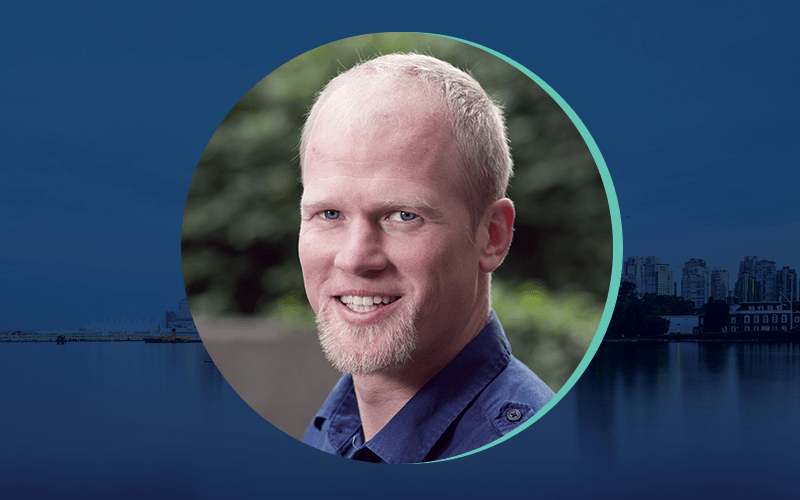
Adam Kreek
Episode
Adam Kreek is one of North America’s top Management Consultants and Executive Coaches with degrees and certifications from Stanford University,...
Key takeaways
- Entrepreneurship requires aligning your personal values with the value you deliver to society, as this alignment provides the courage to endure inevitable failures and setbacks.
- The most dangerous moments in any venture occur during transitions and shift changes, so extra vigilance and preparation are essential when moving between phases of work or life.
- Building a sustainable business typically takes four to five years with a critical dip around year two, where many entrepreneurs question their path and need perseverance to continue.
- Success in entrepreneurship depends heavily on strong communication skills, particularly writing, as the ability to articulate your message and create content is essential for growth.
- True freedom comes not from avoiding responsibility but from having the ability to choose which responsibilities you take on in alignment with your goals and values.
Transcript
Full transcript page · Interactive episode
============================================================
TRANSCRIPTION WITH SPEAKERS
============================================================

[00:00] SPEAKER_00: It's VanCouver's podcast on the Canada's podcast network.
[00:12] SPEAKER_00: Hello everyone, I'm Angela Faye, Hub Builder and co-host of British Columbia's Podcasts.
[00:19] SPEAKER_00: Part of the Canada's podcast network, your source for great insights from entrepreneurs
[00:23] SPEAKER_00: from across Canada.
[00:25] SPEAKER_00: We talked entrepreneurs who are making it happen here so you can listen, discover, and engage.
[00:31] SPEAKER_00: I'm super excited to have Adam Creek with me today and wait until you hear his bio.
[00:37] SPEAKER_00: He is one of North American's top management consultants and executive coaches with
[00:41] SPEAKER_00: degrees and certifications from Stanford University, UBC, Saunders School of Business,
[00:48] SPEAKER_00: and Queen Smith School of Business.
[00:50] SPEAKER_00: He's a guest lecturer at the University of British Columbia or University of Victoria
[00:54] SPEAKER_00: in British Columbia and teaches strategies and skills of leadership, high performance,
[00:59] SPEAKER_00: and perseverance to corporate and government teams globally through keynotes, workshops,
[01:04] SPEAKER_00: and online seminars.
[01:06] SPEAKER_00: Adam's coach trained and taught hundreds of thousands of people including teens at Microsoft,
[01:11] SPEAKER_00: General Electric, Mercedes-Benz, L'Oreal, Shell, TEDx, and more.
[01:18] SPEAKER_00: He runs two small corporations who self his own business, Creek Speak, and which I'm
[01:24] SPEAKER_00: excited to talk about in a few minutes, Ergo Eco Solutions, which is a low carbon initiative
[01:29] SPEAKER_00: that connects small business with small governments.
[01:32] SPEAKER_00: He is launching a new book called The Responsibility Ethic and I confess that I read the first
[01:36] SPEAKER_00: chapter last night and I'm going to ask you a couple of questions about it.
[01:40] SPEAKER_00: Adam coming up, we can't underestimate the impact of him being a two-time Olympian.
[01:46] SPEAKER_00: Adam holds 60 international medals including Olympic gold for Canada and multiple Hall of Fame
[01:53] SPEAKER_00: injections.
[01:54] SPEAKER_00: He did in 2013 make the first ever attempt to row unsupported across the Atlantic Ocean
[02:02] SPEAKER_00: from Africa to America, which is the subject of an NBC Dateline documentary hapsized.
[02:08] SPEAKER_00: So welcome, Adam.
[02:10] SPEAKER_01: Thank you, Ashie.
[02:12] SPEAKER_00: So we're pretty much neighbors.
[02:13] SPEAKER_00: We both live here on Vancouver Island, so I got my intro to get to know Adam was in person
[02:19] SPEAKER_00: at a fabulous little cafe downtown in Imo the other last week.
[02:23] SPEAKER_00: And you live in Sanage.
[02:25] SPEAKER_01: Yeah, Sanage, just Columbia.
[02:28] SPEAKER_00: Can you share a little bit of your entrepreneurial story with us?
[02:33] SPEAKER_01: Well, my entrepreneurial story started as an Olympic athlete.
[02:38] SPEAKER_01: To be an Olympic athlete, you have to find ways to get money from different sources.
[02:44] SPEAKER_01: The money that you get from the government isn't quite enough to survive, so you're constantly
[02:49] SPEAKER_01: looking for grants or other jobs to make ends meet.
[02:53] SPEAKER_01: And for me, one of those jobs was speaking and training in middle school.
[02:59] SPEAKER_01: So I'd go in with a program called the esteem team and teach them smart goals.
[03:04] SPEAKER_01: And I'd partner with an organization called Clean Air Champions.
[03:09] SPEAKER_01: An organization where I eventually sat on the board where we encouraged kids to take active
[03:13] SPEAKER_01: transportation to school and we tracked it and had two visits.
[03:17] SPEAKER_01: And on the second visit, the kids who did really great got a gold medal and the kids who didn't do so great
[03:23] SPEAKER_01: got a bronze medal and everyone was celebrated for reducing their carbon footprint for making the air a little bit cleaner.
[03:30] SPEAKER_01: That sort of thing.
[03:32] SPEAKER_01: So I started out looking for different funding sources to achieve my end goal.
[03:39] SPEAKER_01: Then after the Olympics in 2008, I leaned into two different entrepreneurial ventures.
[03:47] SPEAKER_01: One was a biodiesel company.
[03:49] SPEAKER_01: I partnered with a man with a Chris Kirch and we collected waste cooking oil and turned it into a biodiesel
[03:55] SPEAKER_01: and enterprise that eventually flopped and failed.
[04:00] SPEAKER_01: And then I kept getting requests and opportunities to speak at organizations.
[04:06] SPEAKER_01: So I go to annual conferences or off sites and I'd be your friendly neighborhood Olympian.
[04:14] SPEAKER_01: And tell the story of success and failure and hard work.
[04:19] SPEAKER_01: And certainly the same story that I'm sure most successful entrepreneurs need to know and know all too well.
[04:26] SPEAKER_01: Especially the failure side of things, especially perseverance endurance, having courage, all these sorts of things.
[04:34] SPEAKER_01: So again, a lot of the soft skills or what I call professional skills I learned as an Olympic level athlete were very transferable to what I needed to be an entrepreneur.
[04:45] SPEAKER_01: So then traveling down my entrepreneurial journey, my biodiesel company flopped.
[04:50] SPEAKER_01: The speaking business was working but it wasn't it takes a while for business to actually get its legs.
[04:56] SPEAKER_01: My general rule of thumb is about four years, five years.
[05:00] SPEAKER_01: And the dip is around two years in.
[05:03] SPEAKER_01: And for me, it was no different.
[05:04] SPEAKER_01: So two years in I had this the the the crisis of meaning.
[05:08] SPEAKER_01: Am I doing the right thing?
[05:10] SPEAKER_01: Right.
[05:11] SPEAKER_01: Much that I'd be doing a friend called me up said, hey, do you want to come to the Yukon?
[05:14] SPEAKER_01: And so I went up to the Yukon.
[05:15] SPEAKER_01: We did some gold exploration.
[05:16] SPEAKER_01: I did that.
[05:17] SPEAKER_01: I made some quick money, but then realized, hey, you know what?
[05:20] SPEAKER_01: I should stay on this path of speaking of training.
[05:25] SPEAKER_01: And at the same point in time, I got hooked into an adventure to roll across the Atlantic Ocean.
[05:31] SPEAKER_01: And that actually spawned my entrepreneurial journey even more so because I was in charge of the business side of things.
[05:38] SPEAKER_01: And in fact, you know, we're going across the ocean.
[05:40] SPEAKER_01: Some people might look at it and say, wow, that's amazing.
[05:42] SPEAKER_01: Like, how do you roll across the ocean?
[05:44] SPEAKER_01: But for me, having been someone who went to the Olympics and knows, knows and knew how to push their body, the challenge wasn't actually getting from point A to point B.
[05:54] SPEAKER_01: The challenge was, how do I put together half a million dollars to go from point A to point B?
[05:59] SPEAKER_01: So building the business case, getting organizations on board and individuals on board who be willing to give us the money and exchange for value.
[06:08] SPEAKER_01: You know, at the end of the day, being an entrepreneur is generating, generating value for society.
[06:15] SPEAKER_01: And I might add a layer to that, generating value for society using your own personal values.
[06:20] SPEAKER_01: Every individual has a hierarchy of values of ways they like to exist, of things they like to do, things they like to give.
[06:27] SPEAKER_01: So if you can deliver value to society using your personal values, then you will have a satisfying entrepreneurial journey.
[06:34] SPEAKER_01: And it will give you the courage to continue, courage to endure failure, the courage to endure the inevitable dips that occur on the entrepreneurial journey.
[06:43] SPEAKER_01: We went and we built this, built this program and eventually partnered with probably a hundred different sponsors.
[06:50] SPEAKER_01: Flauncers who just gave us product sponsors who gave us money.
[06:53] SPEAKER_01: And we made this happen.
[06:54] SPEAKER_01: We made this adventure happen where we launched from the car center, going all heading to Miami, Florida.
[06:59] SPEAKER_01: The the boat capsized in the Bermuda Triangle after 73 days at sea.
[07:05] SPEAKER_01: That's another story altogether.
[07:08] SPEAKER_01: But the ironic part of this was that afterwards I was sitting down.
[07:14] SPEAKER_01: I was still in the world of corporate training and speaking.
[07:17] SPEAKER_01: I was sitting with my agent and Perry Goldsmith in his office and I was sitting there and I just had a two and a half year old son.
[07:27] SPEAKER_01: And we just had my just had my daughter, my second child, that I'm thinking how am I going to make money for these little people and provide for them.
[07:36] SPEAKER_01: And I was shaking ahead and like I didn't make it across the ocean, Perry.
[07:39] SPEAKER_01: Like what kind of story is this?
[07:40] SPEAKER_01: I mean, look at me.
[07:41] SPEAKER_01: They laughed.
[07:41] SPEAKER_01: They said, Adam, you have a horse you up your butt.
[07:45] Speaker UNKNOWN:
[07:46] SPEAKER_01: Well, you've already won the Olympic medal.
[07:48] SPEAKER_01: You can show people that you know how to get things done.
[07:50] SPEAKER_01: Now you have a story where you almost died and a story of perseverance.
[07:54] SPEAKER_01: So this is actually something that's really good for your business and what you're doing from a storytelling standpoint.
[08:01] SPEAKER_01: So I doubled down on the speaking training and eventually after sitting at round tables with medium size to large size corporations,
[08:12] SPEAKER_01: because those tend to be the organizations that would hire me.
[08:15] SPEAKER_01: So organizations with at least 200 people up to 100,000 people are the big, big organizations that are
[08:24] SPEAKER_01: out there.
[08:25] SPEAKER_01: But I'd be sitting around the table with the CEO, the VP's, the COO, the head of HR, and I'd be having conversations with them.
[08:34] SPEAKER_01: And eventually I just found that I really enjoyed.
[08:38] SPEAKER_01: It seems kind of funny.
[08:39] SPEAKER_01: I enjoyed these annual meetings where I'd see them put up their strategy, they put up their spreadsheets.
[08:43] SPEAKER_01: They're talking about how they're making business happen.
[08:47] SPEAKER_01: And at the same time, I had I'd reignited my involvement in the world of biodiesel.
[08:52] SPEAKER_01: So I partnered with a man by the name of Brian Roberts.
[08:56] SPEAKER_01: And we ended up creating a not-for-profit for-profit entity that collects waste cooking oil,
[09:03] SPEAKER_01: turns it into petroleum replacement, low-carbon products, and links with small governments to lower the carbon footprint.
[09:10] SPEAKER_01: And so I was I was learning from these larger organizations and shifting the knowledge,
[09:14] SPEAKER_01: bringing it back to this smaller organization, you know, acting as a bit of an executive coach and a trainer
[09:20] SPEAKER_01: at this at the smaller organization.
[09:22] SPEAKER_01: I found that I really enjoyed this role and it fit me naturally.
[09:26] SPEAKER_01: It fit my talents, naturally my inclination, naturally as well as my value set.
[09:31] SPEAKER_01: When I talked about personal values, if you want to deliver value to the world in a way that's sustainable,
[09:35] SPEAKER_01: it has to serve the values that you have and how you want to exist in the world.
[09:41] SPEAKER_01: So that transitioned into me becoming an executive coach, you know, a specialist on self-leadership,
[09:48] SPEAKER_01: these sorts of things.
[09:50] SPEAKER_01: And so I have I've got a small group, I can't work with too many people one-on-one,
[09:54] SPEAKER_01: but I have I've got a small group of people that I work with, one-on-one just to help them up their game
[09:59] SPEAKER_01: and help them be, you know, help them rise up the ranks in their organization,
[10:03] SPEAKER_01: be better leaders, improve their career prospects, and keep them, you know, be kind of like a trusted confidant
[10:11] SPEAKER_01: on their, you know, on their path up to career success, which is, I've seen be incredibly valuable
[10:17] SPEAKER_01: for the individuals I work with.
[10:19] SPEAKER_01: And I also work with executive teams, so run them through strategic planning sessions and
[10:24] SPEAKER_01: off-sites, so a small group, anywhere from four to ten people, and we go and we run through the
[10:29] SPEAKER_01: the annual or biannual planning that needs to happen. So right now my, the main part of my business,
[10:36] SPEAKER_01: I'd say 50% of it is going off into, you know, into organizations, two off sites I deliver,
[10:42] SPEAKER_01: a keynote speech, my deliver a workshop, for example, and going down to Vegas next week.
[10:49] SPEAKER_01: I'm working with their sales force, so presenting, you know, a keynote on goal setting,
[10:54] SPEAKER_01: and what it means to set goals and to endure and get them. And then we're doing a work-life
[11:00] SPEAKER_01: self-balance piece where we've legged upon our work, our life, our self, and we figure out
[11:05] SPEAKER_01: what needs to change and how to boost ourselves incrementally.
[11:10] SPEAKER_01: The other parts of my, I'd say 25% of it is coaching with my small group of clients,
[11:17] SPEAKER_01: and the other bit is training and executive retreats. So it's a nice mix for me. No day is the same.
[11:25] SPEAKER_01: And then I guess lots of right, and I still do, and again, I forget all the stuff that I do,
[11:32] SPEAKER_01: because I'm just remembering right now, because I also work with the Canadian Men's Health Foundation,
[11:36] SPEAKER_01: I'm a big supporter of Men's Health, Working Age Men's Health, so just making sure that there's
[11:41] SPEAKER_01: messages going out there for working age men to ensure that they're healthy and they're able to do
[11:48] SPEAKER_01: the work that they need to do. I still maintain a lot of volunteer roles with with Rowan Canada,
[11:54] SPEAKER_01: and I'm involved with another small business in town. We create robots and cell phones internationally,
[11:59] SPEAKER_01: the White House Spirit Rowan, and a rowing machine company, RP3. So again, I'm just, I'm involved
[12:06] SPEAKER_01: with a lot of different organization things that are... There are lots of different apps.
[12:09] SPEAKER_01: There are lots of different apps, but it's typical entrepreneurial stuff. You have the freedom to do
[12:15] SPEAKER_01: the things that you love and that's of energy to it, and that's, I feel like that's the real gift
[12:20] SPEAKER_00: of the entrepreneurial journey. Well, and that's something that you and I talked about in person
[12:24] SPEAKER_00: the other day is bringing energy to a space or a group of people. One question I have for you is,
[12:34] SPEAKER_00: what is the role of motivation in our society? Why is it so important to inject, like, you know,
[12:43] SPEAKER_00: have an atom come in and inject a new level of energy into a group? Why is that so important?
[12:49] SPEAKER_01: We know what we need to do. We just don't do it. Why not? We're not motivated.
[12:55] SPEAKER_00: Okay, so the role of motivation is really go out and you're just calling their shit, right?
[13:01] SPEAKER_00: Oh, you call your shit? You know what you need to do. Why aren't you doing it?
[13:06] SPEAKER_01: Exactly. Sometimes you just need to hear the obvious. Yes. Do it. I struggled with this when I
[13:13] SPEAKER_01: first went out and I had this career because I was the identity, I look in the mirror just like
[13:18] SPEAKER_01: everyone else who listens to the podcast looks in the mirror and I'm just a guy. But at the end of
[13:23] SPEAKER_01: the day, you recognize people need to hear positive messages and they need to hear
[13:30] SPEAKER_01: reinforcements of ideas that push them forward. There's a lot of interests out there that are
[13:37] SPEAKER_01: competing for your intention. And there are things that are not necessarily productive that will
[13:43] SPEAKER_01: want to suck you in. For example, there's a reason why in Canada, for example, we limit alcohol
[13:48] SPEAKER_01: marketing to backo marketing, pornography marketing. You're going to make a lot of money really
[13:54] SPEAKER_01: quickly. Just get into something that's addictive and market it because people will be drawn in
[14:00] SPEAKER_01: and so on. I want more of that. And then it feeds a loop. And so the purpose of positive
[14:06] SPEAKER_01: motivation is to remind you that, you know what, even though we're not promoting broccoli,
[14:10] SPEAKER_01: there's no broccoli marketing board. That's what you should probably have broccoli
[14:14] SPEAKER_01: mean once or twice a week. That would be a good thing. When I was a kid, there's a how,
[14:20] SPEAKER_01: you know, how Johnson and Joanne McLeod purchase a faction, those kinds of messages.
[14:25] SPEAKER_01: That's dating. That's dating us. Well, that's fine. But you'll think of these positive messages that
[14:31] SPEAKER_01: come out. And you look at them, you say, you know what, I'm so glad I saw that message. And although
[14:37] SPEAKER_01: it's not feeding the bottom line of something that is of an organization that's necessarily
[14:43] SPEAKER_01: profiting from it, it's feeding the bottom line of goodness of the human power that drives the
[14:50] SPEAKER_01: Canadian economy forward. If you want to say that for a business standpoint. And I think there's
[14:55] SPEAKER_01: there's a lot of value in that. And then even from a business standpoint, you know, when I come
[15:00] SPEAKER_01: in to work with with sales teams or executive teams or, you know, engineers or accounts or nurses.
[15:06] SPEAKER_01: At the end of the day, we know how to behave properly intellectually, but we often don't do it.
[15:13] SPEAKER_01: So it's it's giving people an excuse to do the right thing. Oh, yeah, that's not
[15:18] SPEAKER_01: a creek. I said this. So yeah, let's let's do the right thing. We'll be better for it.
[15:23] SPEAKER_00: I'm agreeing with you and adding some reinforcement to the comments. And I already knew as soon as
[15:30] SPEAKER_00: I was referred by a mutual friend, Tom, that we needed to connect. And one shared value that we
[15:38] SPEAKER_00: have is this responsibility ethic. And I want to bring it out. I'm going to hold it about two.
[15:43] SPEAKER_01: It's good.
[15:44] SPEAKER_00: Oh, hey, Mash.
[15:46] SPEAKER_00: Is some reason why is because the reason I think that Hans suggested that we needed to connect is
[15:52] SPEAKER_00: because this is probably one of the core things that I keep talking about, which is something you've
[15:56] SPEAKER_00: just said. You know, we know what we need to do. Maybe there's a fear or shame or blame or guilt or,
[16:04] SPEAKER_00: you know, taking that first step. And there's something I want to bring up in the book that,
[16:08] SPEAKER_00: you know, chapter one is taking responsibility for the fear of failure.
[16:14] SPEAKER_00: And then one thing that only made me giggle at the very end is take one point from the list and
[16:22] SPEAKER_00: and circle it. Take a picture, write it down. And I want to highlight this one because this
[16:26] SPEAKER_00: is the one that I wrote down. And it's related to your failed attempt across the ocean. But
[16:33] SPEAKER_00: keep your ocean row boats cabin door latched on cruise shifts in stormy weather.
[16:43] SPEAKER_00: That's a great learning. What does that what does that one mean to you? I can tell you what it
[16:48] SPEAKER_00: means to me, but what does it mean for you as the author? Well, what it means and it's actually quite
[16:54] SPEAKER_01: a literal learning as the author. And that's and it's kind of my quirky sense of humor too.
[17:00] SPEAKER_01: Because I'm assuming I'm assuming that maybe one out of 10,000 people who read my book will
[17:10] SPEAKER_01: actually go across the ocean and row and they'll say, oh, yeah, I remember that creek's book.
[17:15] SPEAKER_01: He said to make sure the hatch door is closed during cruise shift changes. And guess what?
[17:21] SPEAKER_01: And I work with a lot of organizations doing safety leadership training. And the most dangerous time
[17:28] SPEAKER_01: in like when you're working in heavy industry is what time? It's shift change, which is I think
[17:34] SPEAKER_01: is a very salient point. Again, what it means to me is that when you're going through a shift change
[17:39] SPEAKER_01: in an environment that's dangerous, you have to be extra on your guard because you're connecting
[17:44] SPEAKER_01: with other people, you're you're dialing down because it's the end of the end of the day, the
[17:48] SPEAKER_01: beginning of the day, and you're less aware of of your job and the dangers that are around you.
[17:54] SPEAKER_01: What that means to me is is very illiterally be safe when you're somewhere dangerous and you're
[17:59] SPEAKER_01: going through a shift change and make sure that God damn hatched towards closed. If ours was closed,
[18:05] SPEAKER_01: we wouldn't have capsized in the period of triangle, but that's for sure.
[18:09] SPEAKER_00: Part of it for me is that it was a little iteration for life, right? Which is, you know, at that
[18:14] SPEAKER_00: stage and you talked about working men's health and you know, and from a mom's point of view too,
[18:21] SPEAKER_00: I mean, any parents point of view is when we're at this space of life, right? We're giving so much
[18:26] SPEAKER_00: in the work that we do and we've got kids that depend on us and partners that we want to,
[18:30] SPEAKER_00: you know, be show up as your best self and you know, we can be exhausted. It's the end of a shift,
[18:37] SPEAKER_00: right? And and sometimes people pivot into different lifestyle paths. Sometimes they just need to
[18:43] SPEAKER_00: hunker down and shift change. And I just I just saw it as an analogy for life, right? And there's
[18:50] SPEAKER_00: points in your life when we take these major leads and to actually close and and latch the door
[18:55] SPEAKER_00: and do some serious, you know, thinking and be mindful about protecting your environment.
[19:01] SPEAKER_01: Yeah, we got to protect our own environment. And I think it I've been reflecting on this recently.
[19:06] SPEAKER_01: Life is kind of cruel. Please a cruel joke on you because the moment that you have kids is the
[19:11] SPEAKER_01: same moment you get a mortgage is the same moment your career is taking off. And you're like,
[19:15] SPEAKER_01: what the heck is going on here? Like it's time of my kids. Like shouldn't I be building a business
[19:21] SPEAKER_01: and making money? You know, should I be paying my mortgage and then you go out there and you're
[19:26] SPEAKER_01: competing? And I find I'm a competitive person because I'm an athlete. It's like, oh, I'm competing
[19:30] SPEAKER_01: against these assholes who don't have mortgages who don't have kids. And I like to get that it's
[19:36] SPEAKER_01: not quite like the, you know, the Olympics where you know, everyone's coming from a very similar
[19:41] SPEAKER_00: place. And that's that's just conversation five. Well, and that's the first chapter. So I look
[19:47] SPEAKER_00: forward to more. But let's segue a little bit into tell me about how you ended up here. Did you grow
[19:54] SPEAKER_01: up here on Vancouver Island? No, I grew up in London, Ontario. Beautiful southwestern Ontario.
[20:01] SPEAKER_01: You know, the big deep snow in the winter, you know, hot muggy summers. It was a great place.
[20:07] SPEAKER_01: Great place to grow up. Loved it there. Have a lot of good memories. After high school, I moved to
[20:12] SPEAKER_01: Northern Alberta. Did some resource work worked on the rigs slammed around some steel. In high school,
[20:19] SPEAKER_01: I did have a rowing coach who said, you know what, Adam, you could be an Olympian if you wanted to.
[20:24] SPEAKER_01: I think the words he said is you could be a Olympian. You're an Olympian. You just don't know it yet.
[20:29] SPEAKER_01: And so I was, I thought, well, I should pursue this. And at the same time, and I didn't end
[20:35] SPEAKER_01: taking the geotech path. But I thought, you know, I should get into resource development, resource
[20:40] SPEAKER_01: extraction, you know, 50% of Canada's billionaires, you know, at least made it through resource
[20:46] SPEAKER_01: extraction. So it's a very valuable part of our economy and our industry. So I was thinking of
[20:53] SPEAKER_01: going in that direction. But I said, you know, I need to get this rowing thing out of the way. And
[20:59] SPEAKER_01: move to Vancouver Island as a roer and to study geotechnical engineering and earth sciences.
[21:07] SPEAKER_01: Then, you know, I met my wife here and we moved down to California, came back, had kids, and
[21:12] SPEAKER_00: here we are. Here we are. So tell us a little bit about lifestyle in, and very specifically
[21:19] SPEAKER_00: sandwich. So get out your maps and check out where sandwich British Columbia is. But
[21:23] SPEAKER_00: what why is this environment? What do you love where you live?
[21:28] SPEAKER_01: I love where I live because I have a young family. And I've constructed my career because, you know,
[21:37] SPEAKER_01: high on my values hierarchy is, you know, is the emotional connection and closeness that I have
[21:43] SPEAKER_01: through family interactions. So what I love is that we're a five minute walk from the kid's
[21:51] SPEAKER_01: school. And so I walk the kids to school every morning. I'm here, which I love. It's probably one
[21:55] SPEAKER_01: of the favorite parts of my day. We're right across from a park where we have we have owls that come,
[22:01] SPEAKER_01: there's deer, there's a creek that runs through it. So we're very close to nature. We're also a,
[22:07] SPEAKER_01: a seven minute walk from a recreation center that has a gym in a sauna. And I'm close to the
[22:12] SPEAKER_01: the grocery store. So I can walk and bike and live in a four block radius. I don't have to leave
[22:18] SPEAKER_01: that ever if I don't want to. And my office is in the basement. You know, the only thing I'd
[22:24] SPEAKER_01: change is it would be living right next to the ocean. But then you lose some of the walking
[22:32] SPEAKER_01: benefits and the closeness. So I think it's, yeah, it's a great place to be. And that's why,
[22:41] SPEAKER_00: that's why I chose to be here. And is there any one particular place that is very inspiring for
[22:48] SPEAKER_00: you to go on your own or with your family that you think, I love this spot? Every Friday morning,
[22:53] SPEAKER_01: I've got a group of old, old athletes, ex-military special services guys. And a few entrepreneurs come
[23:00] SPEAKER_01: out to, and we go, we run, we run up and down Mount Douglas. And then we go, yeah, we do that a
[23:07] SPEAKER_01: couple of times. And then we jump into the ocean and we sit in the ocean, do cold water training
[23:12] SPEAKER_01: for about 10 minutes. And we do that every Friday. So I'd say that's definitely a highlight of my
[23:17] SPEAKER_01: week. I get really immersed in nature. And I remember why at the Von Vancouver, I think, because
[23:23] SPEAKER_01: again, when you're working and raising family, this is what we're doing. We're sitting in front of
[23:27] SPEAKER_00: a computer. That's great. It's nice to not be. Exactly. So a little bit of, if, I mean, you've
[23:40] SPEAKER_00: written your own book, but can you share with us another kind of must-read book as an entrepreneur's
[23:47] SPEAKER_01: perspective? Well, let me open up my book because of the back. I've got a list of a ton of books.
[23:54] SPEAKER_01: So what will I say? Okay, what page? Actually, page 255. I keep coming back from an entrepreneurial
[24:01] SPEAKER_01: perspective to scaling up. I use it a lot in my coaching and consulting practice. It has a lot of
[24:07] SPEAKER_01: burn harnesses. If any of you listeners have not been exposed to burn harness, you know, what,
[24:12] SPEAKER_01: I don't know what you're going to call them, you know, he's a giant that you stand on to
[24:17] SPEAKER_01: shoulders. He has so much information that's been compiled. Started with the Rockefeller habits
[24:22] SPEAKER_01: and evolved into scaling up. That's a very good thing. And then the other one I would say,
[24:28] SPEAKER_01: and I'm going to go a little bit. Thank you for sharing. The other I'd say is on writing by
[24:34] SPEAKER_01: stevid king. So to be in a good entrepreneur, you have to be able to communicate. And especially if
[24:40] SPEAKER_01: you want to get your message out there and create content, you have to be a very good writer.
[24:44] SPEAKER_01: I wasn't trained as a writer, but the book I'd learned the most about writing from was
[24:48] SPEAKER_01: Stephen King's on writer. One, it's a great story. Talks about being addicted to cocaine for
[24:54] SPEAKER_01: a decade and writing tons of books. And it has a very compelling personal story, which
[25:00] SPEAKER_01: and then puts in great tips on how to be more concise in your prose. Those are two books.
[25:07] SPEAKER_00: Awesome. I love that list of resources. I might share that. But more importantly,
[25:11] SPEAKER_00: when you just bought it, you can get the list of your referrals. But having so many accolades
[25:16] SPEAKER_00: under your belt is the one particular motivational quote that is sitting on your desk or your computer
[25:22] SPEAKER_01: that is just kind of your go to. How about this one? Okay, let's have a look. Can you see that?
[25:29] SPEAKER_00: What you get by achieving your goals is not as important as what you become by achieving your
[25:35] SPEAKER_00: goals. Mr. Thoreau, he's on my wall. I love that you have them attached with velcro.
[25:45] SPEAKER_00: Love it. Was it planned? Very sumbed up at us. And are there any, I mean, you're in the
[25:50] SPEAKER_00: biodiesel industry, which I can we could do a whole other podcast on that, which I would love to do
[25:54] SPEAKER_00: at some point. I think that you know, Vancouver Island specifically British Columbia,
[25:59] SPEAKER_00: specifically, we have definitely a culture of, you know, circular economies, sustainability,
[26:06] SPEAKER_00: you know, being in touch with the environment is super important with us. Kind of anywhere in
[26:11] SPEAKER_00: Canada, but very specifically here, I think. So I would love to talk more about that venture.
[26:18] SPEAKER_00: Is there anything particular that you would like to share with us that we haven't already talked
[26:22] SPEAKER_01: about? I might just reinforce the book. Right, come out and get the book. Because the book,
[26:28] SPEAKER_01: the book, it took me 10 years to write this book. And I think, and again, I talked about my sporting
[26:33] SPEAKER_01: journey as a metaphor for the entrepreneurial journey. And I'd also say the writing of book is
[26:39] SPEAKER_01: also something that's very similar. It took me 10 years to write this. 10 years of writing,
[26:44] SPEAKER_01: you know, early mornings, I'd get up at five in the morning and write for and I'd spend
[26:48] SPEAKER_01: winters when my work would slow down. I worked those down in December, January. So I'd put extra
[26:54] SPEAKER_01: time in the winters in the early mornings. And that's what created this book. And it was just a lot
[26:59] SPEAKER_01: of pushing a lot of persevering in the darkness when no one was watching, when no one was celebrating,
[27:05] SPEAKER_01: when no one really cared. Now that I'm over the hump and I'm able to promote the book and push it
[27:10] SPEAKER_01: out there. And I'm honestly very proud of of everything that's in there. And I think there's
[27:15] SPEAKER_01: there's actually a ton of value, especially for entrepreneurs who need that grit, need that drive,
[27:21] SPEAKER_01: need some insights. I think this will speak right to your soul. I'm recording the audiobook
[27:27] SPEAKER_01: this week. Oh, frankly. So I think for a lot of a lot of people out there listening, the audiobook
[27:33] SPEAKER_01: will be much more accessible because you can plug it in while you're driving, commuting, holding
[27:38] SPEAKER_01: a screaming baby in the middle of the night. I know I've listened to a few audiobooks. Okay, I've
[27:43] SPEAKER_00: got to speak with you. Doing that, bouncing. We're just such a, and I think what I think that's
[27:47] SPEAKER_00: common there is, we tend to do more than one thing at a time. We bounce babies while we're listening
[27:54] SPEAKER_00: to, we go for a run while we're listening to podcasts. And that's what we do. Did you suggest
[27:59] SPEAKER_00: it at one point the possibility of a chapter? Yes, oh, yes, a chapter, free chapter for anyone
[28:05] SPEAKER_01: who wants to email me. I will, the best chapter I think for the entrepreneur in this book is
[28:10] SPEAKER_01: chapter five, the approach. So if you email me at info, I n f o at creekspeak.com,
[28:20] SPEAKER_01: then and just say, I heard you on the canada's podcast.com podcast, then I'll send you a free chapter.
[28:29] SPEAKER_00: When I think one thing I'd like to add, thank you for the gift and the opportunity. One thing that
[28:35] SPEAKER_00: you know, we're with the internet of things in this day and age, it's really nice to have a shared
[28:41] SPEAKER_00: language and a shared vibe amongst a network of people. So I think that is one thing that I would
[28:49] SPEAKER_00: love to achieve by us reading the book is, I think if we can all take personal responsibility for
[28:56] SPEAKER_00: our own success, it will have like this magnified and amplified energy that we can all kind of say,
[29:04] SPEAKER_00: oh, yeah, canada's podcast, listen to, you know, met at them at events in 2020, which we'll talk
[29:10] SPEAKER_00: about later, but you know, I never read the book and remember the story, remember the story of
[29:15] SPEAKER_00: the capsize and, you know, there'll be some shared commonality that we can all relate to. So I
[29:19] SPEAKER_01: wouldn't thank you for that. And I just want to share this one thing because I just got this in my
[29:24] SPEAKER_01: inbox this morning. The most satisfying form of freedom is not a life without responsibility,
[29:30] SPEAKER_01: but a life where you are free to choose your responsibilities. Again, I think that's important to
[29:36] SPEAKER_01: remember that we all need to take responsibility if you want to have a happy, successful fulfilling
[29:41] SPEAKER_01: life, but part we can have a happier, more successful, more fulfilling life if we take their
[29:47] SPEAKER_01: responsibility to choose our responsibility. That's freedom, that's excitement. And I think that
[29:52] SPEAKER_00: that should appeal to the entrepreneurial jury. Absolutely. Adam, it has been an absolute pleasure.
[29:59] SPEAKER_00: It was fun to meet you in person. I look forward to doing it again later. It's nice to be neighbors.
[30:03] SPEAKER_00: And best of luck with your trip down to the States and thanks, Rob Brown, behalf of all Canadian
[30:08] SPEAKER_00: entrepreneurs, for being a great ambassador for us all. And we look forward to connecting you more
[30:14] SPEAKER_00: on Canada's podcast. Hey there. Thanks for taking the time today to listen to British Columbia's
[30:21] SPEAKER_00: podcast on the Canada's podcast network. We hope you enjoyed the show today. Make sure you
[30:26] SPEAKER_00: sign up for our newsletters and write a review for us on iTunes. Connect with us on Twitter,
[30:32] SPEAKER_00: Facebook, Instagram, LinkedIn, or at Canada'spodcast.com. You can check out what other entrepreneurs are
[30:38] SPEAKER_00: doing across the country. I'm Angela Faye. See you next time.